








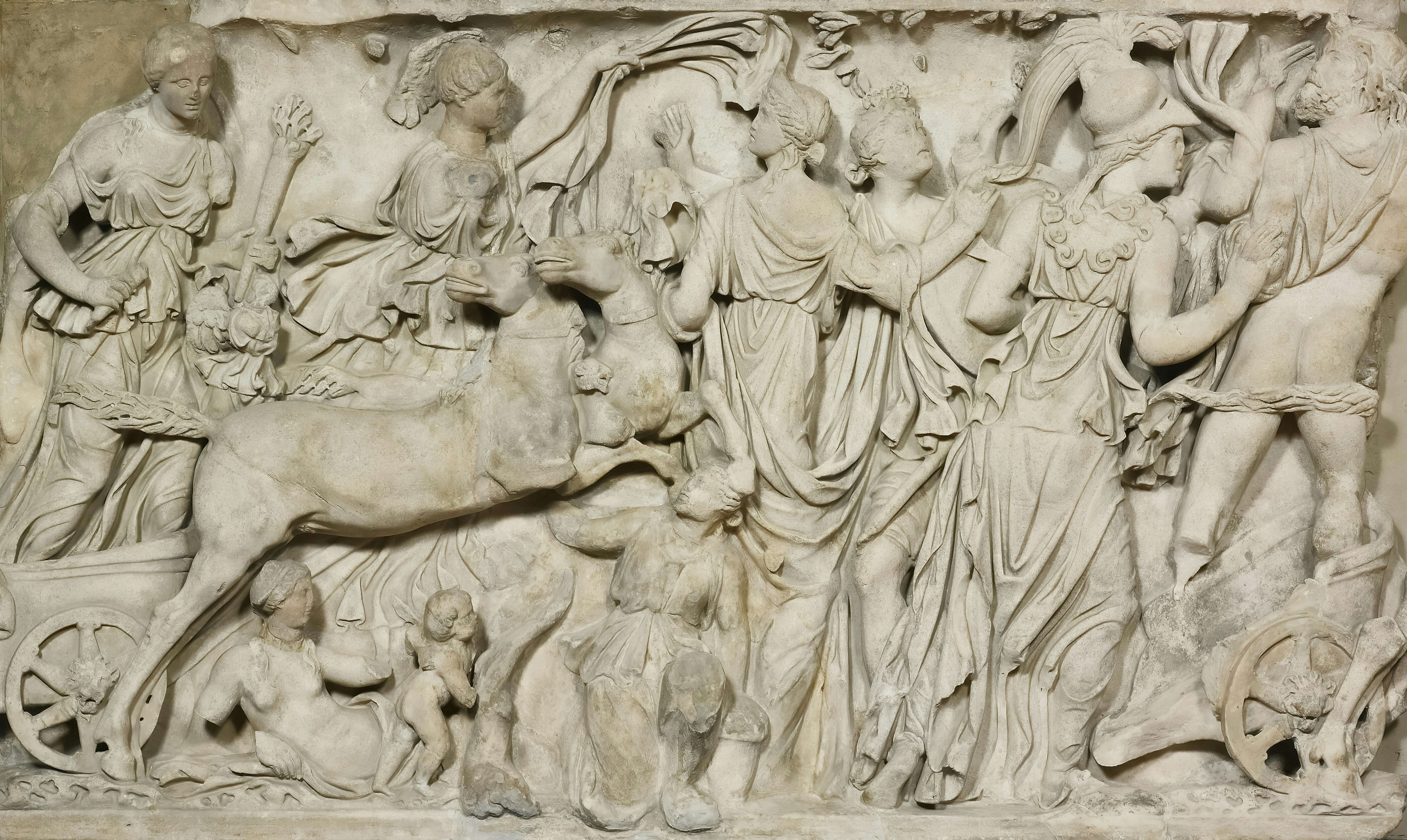
The Greek Myth of Persephone
Discover the Greek myth that led to Persephone becoming the Goddess of Spring.
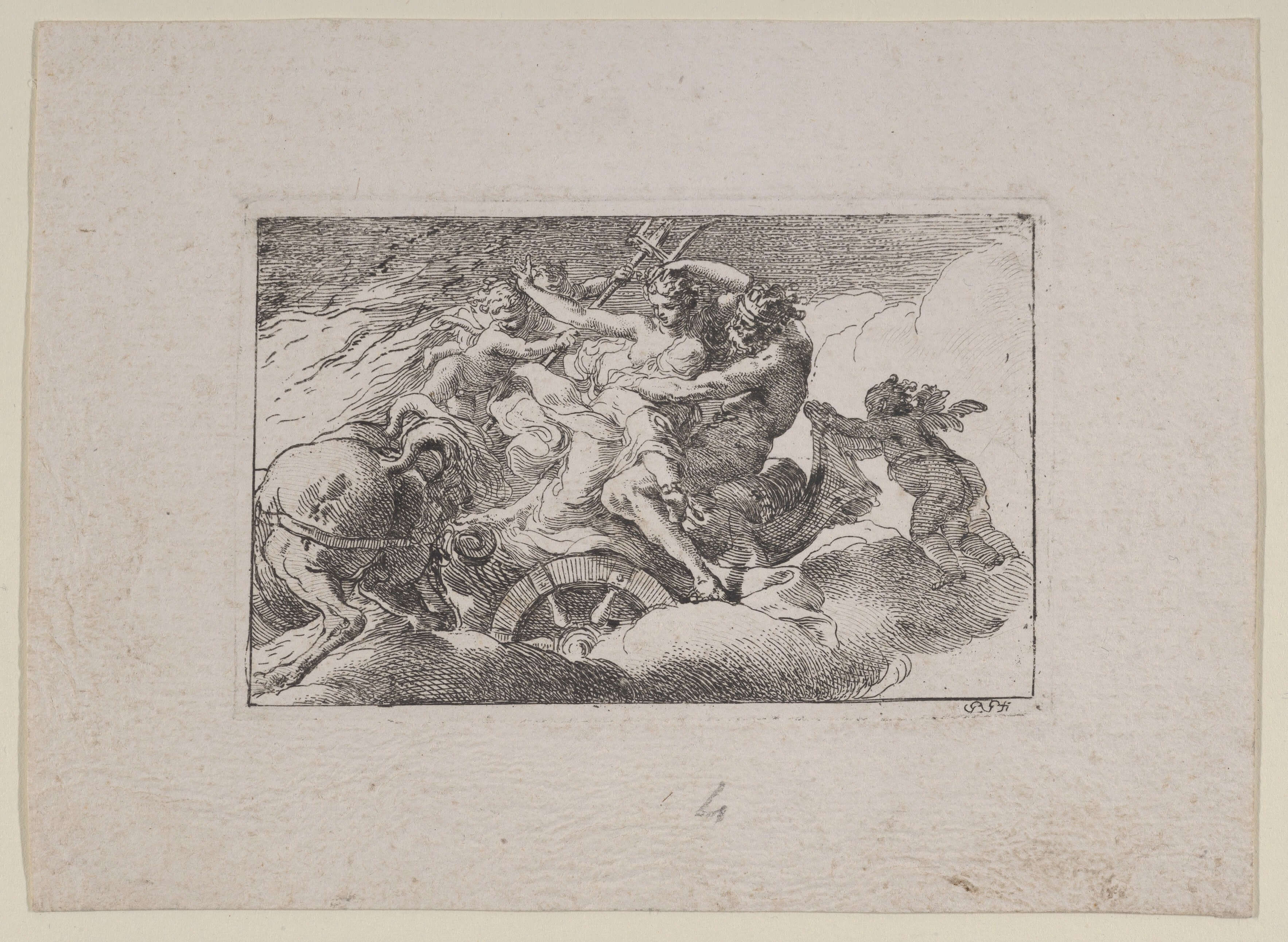
In the rarefied realms of myth, few stories possess the melancholic beauty of that of Persephone. Goddess, daughter, and queen of contrasting worlds, her narrative is equal parts abduction and awakening, love and loss. It reveals the ancient Greek attempt to fashion meaning from nature’s most beguiling mystery, the changing of the seasons.
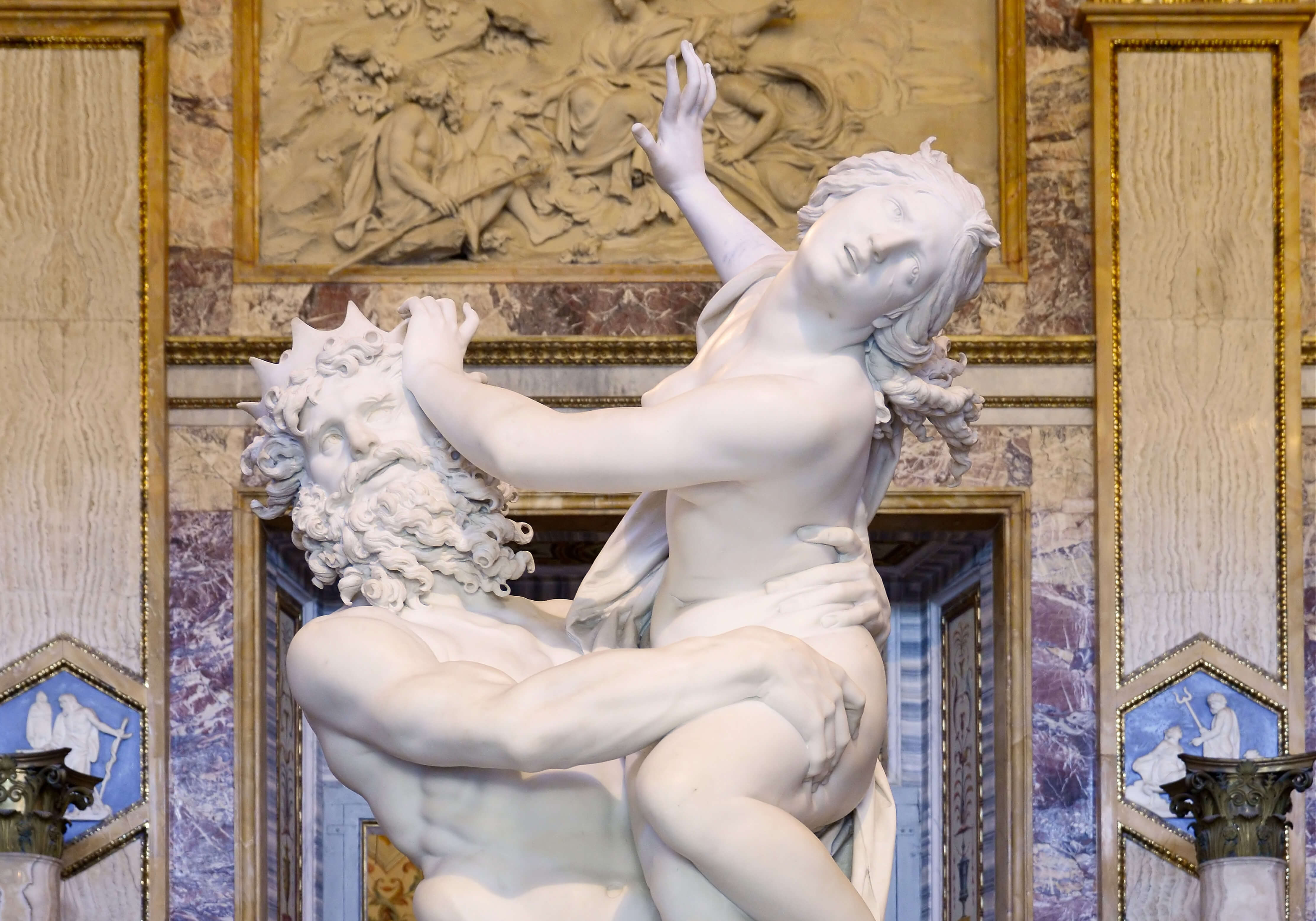
Persephone, daughter of Demeter, the venerable goddess of harvest and fertility, was a maiden of the upper world, untouched by sorrow. That is, until Hades, her uncle and ruler of the Underworld, spirited her away in a chariot through a fissure in the earth. His intentions were more matrimonial than malicious, though the act bore the tones of tragedy. The gods, for the most part, watched in silence. Zeus himself had permitted the act, knowing Demeter would never consent to release her daughter to the shadowy realm below.
Image: by Alvesgaspar - Own work, CC BY-SA 4.0, https://commons.wikimedia.org/w/index.php?curid=43569142
Demeter’s grief was apocalyptic. The goddess wandered the Earth in mourning, cloaked in shadow, and forbade the land from bearing fruit. Crops failed, fields withered, and humanity faced a creeping famine. Only when Helios, the all-seeing Sun, revealed the truth did Demeter learn of Persephone’s fate. Her anguish was so profound that Zeus, pressed by the cries of the starving, entreated Hades to release the girl.
Hades agreed, but not without an act of sublime cunning. He offered Persephone a handful of pomegranate seeds, jewel-toned and gleaming with consequence. By consuming them, she unknowingly sealed a cosmic compromise. To eat the food of the Underworld was to belong, in part, to its domain.
Thus, Persephone was fated to dwell a third of each year, during the cold and barren months, in the Underworld beside her dark husband. Her annual return to the surface marked the moment of her mother's joy and the Earth’s renewal. Crops flourished, flowers surged toward the sun, and the world exhaled. Spring had come.
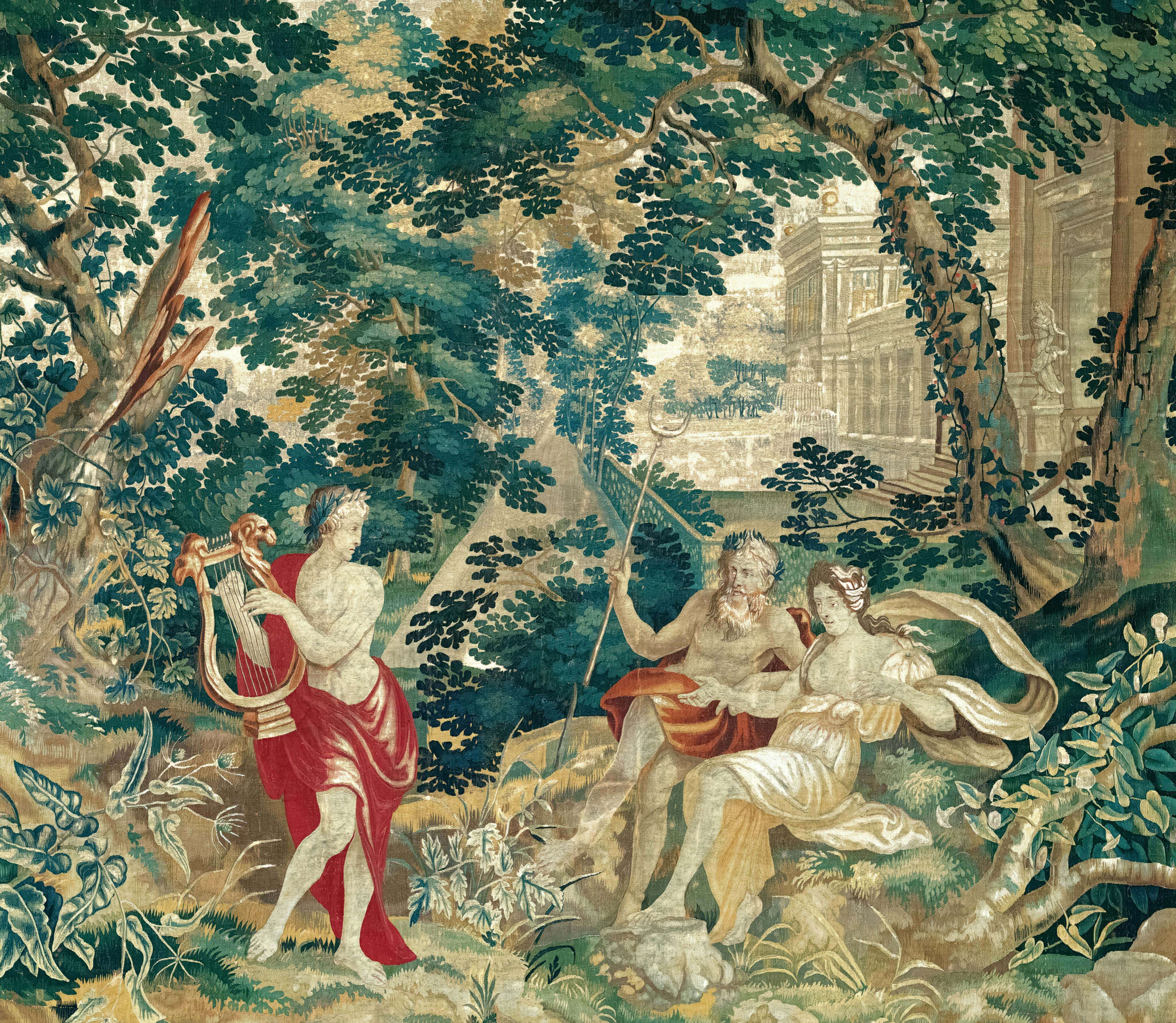
The myth of Persephone is more than a pastoral allegory. It is a tale of transformation and of dualities: life and death, innocence and sovereignty, sorrow and joy. The pomegranate seeds, with their blood-bright lustre, symbolize a rite of passage and the quiet pact we all strike between who we were and who we must become.
The Persephone design


Aquamarine


Pearl


Pearl


Turquoise


Pearl

Lapis Lazuli


Coral
Pearl
Read more

Written in the Stars: The Mythological Origins of the Zodiac
Explore the zodiac’s mythological origins, where Babylonian astronomy and Greek legend transformed stars into enduring stories of gods, creatures, and human meaning.
Read more
Onwards: An Interview with Max Worsley
In this interview, Cassandra speaks with Max Worsley, a British explorer continuing a powerful legacy as he prepares for an unsupported ski journey across Antarctica in honour of Shackleton and his...
Read more