

Onwards: An Interview with Max Worsley

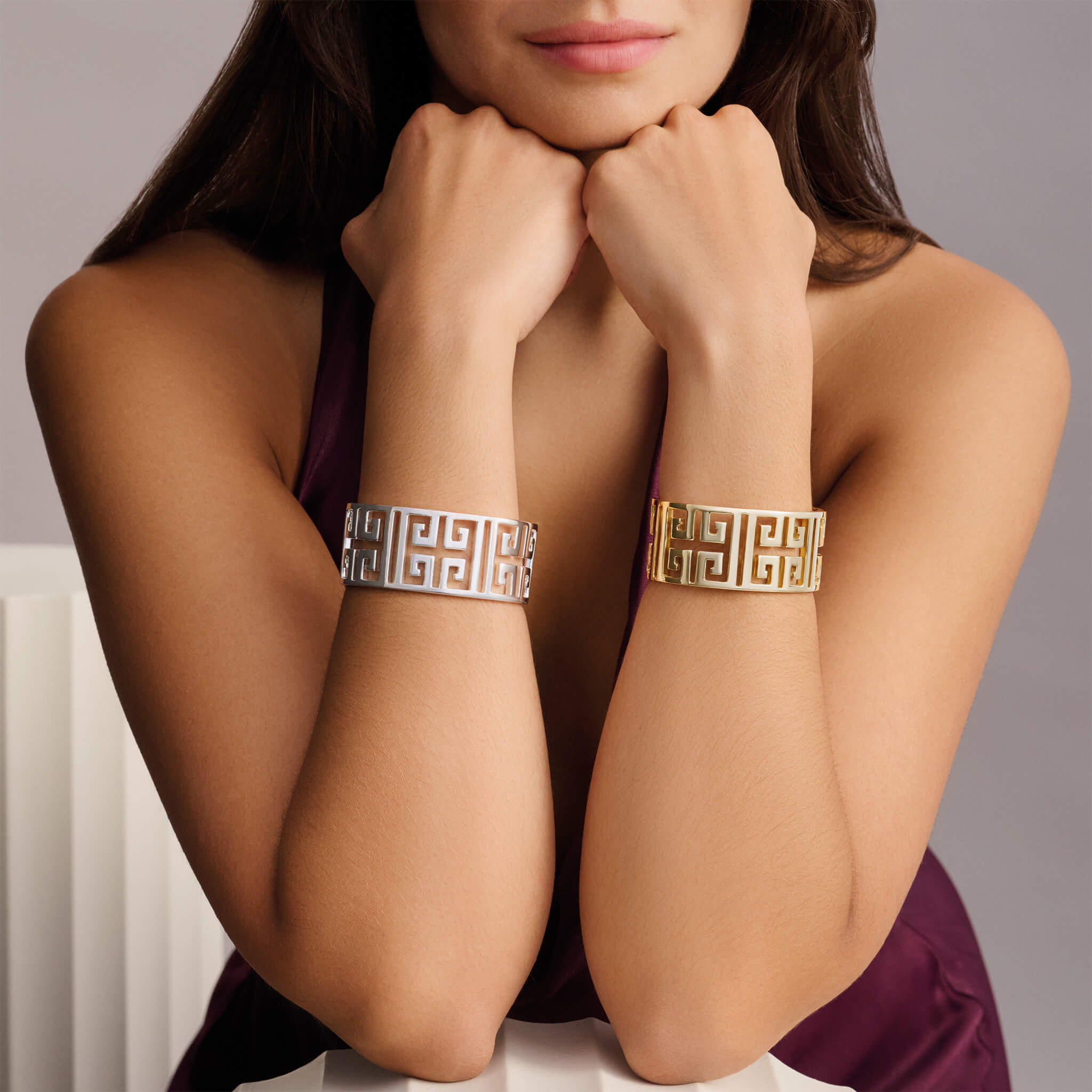
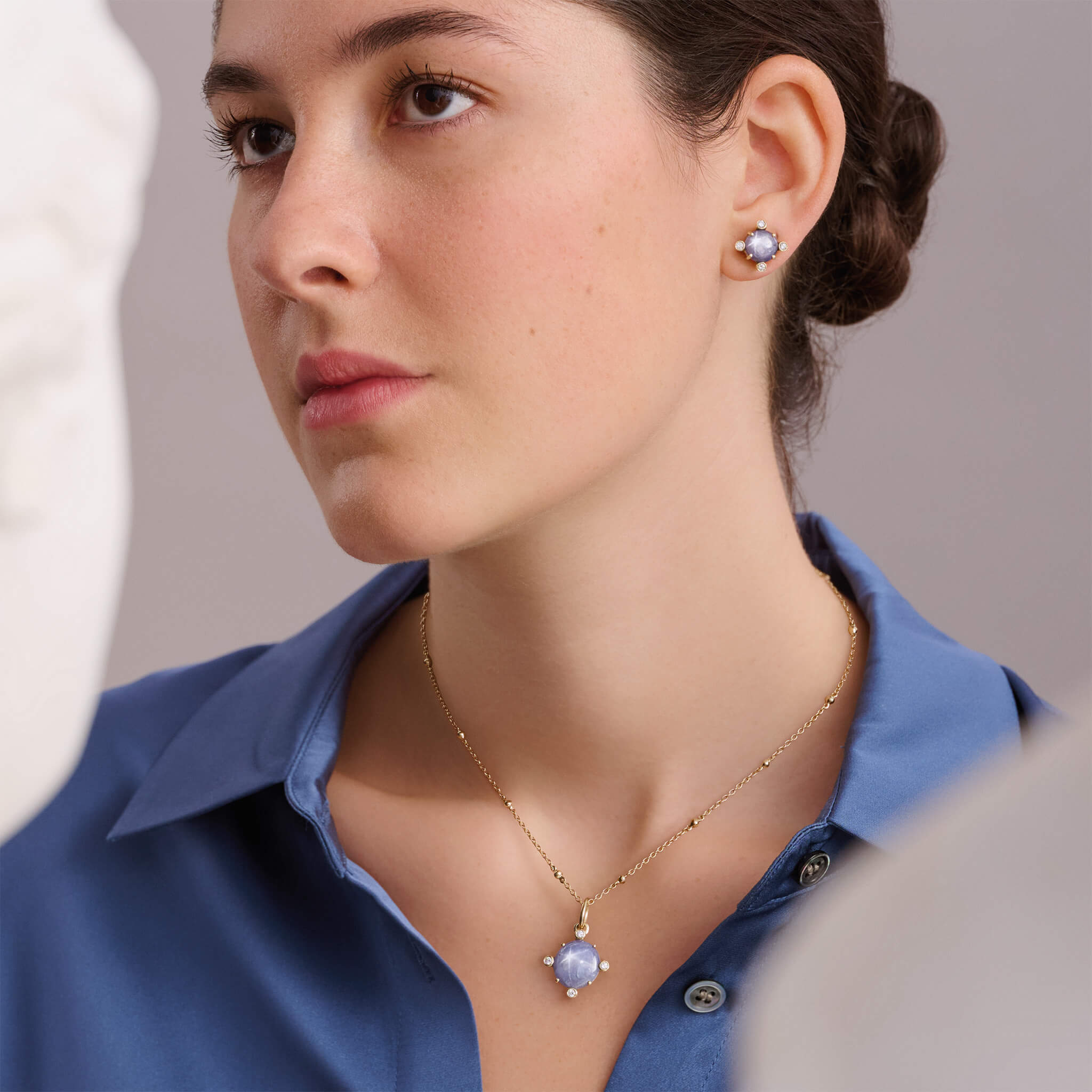
In November 2026, Max Worsley and Norwegian adventurer Martin Nesse will undertake the Onwards Expedition, a 1,349 km unsupported ski journey across Antarctica, following the legacy of Ernest Shackleton’s historic expedition. The challenge is deeply personal for Max, whose father, Henry Worsley, died in 2016 while attempting the first solo unsupported crossing, just short of completing it. Through Onwards, Max and Martin aim to push human limits while raising awareness of Antarctica’s vital role in Earth’s health and inspiring action to protect it. All proceeds from our Onwards and Shackleton quote pendants and bracelets will go to the British Exploring Society and the Royal Foundation.
What does Antarctica represent to you personally: a place, a challenge, or something symbolic?
For me it’s all three. It’s a place that has shaped a lot of my life through my father’s expeditions. It’s also one of the most demanding environments on Earth, which makes it a serious challenge, and I’m excited to go there and test myself, to see what I’m capable of over 60 days when everything is stripped back to the essentials. But more than anything it represents something symbolic. When I think of Antarctica I think of my dad. I also think of Shackleton, Scott, and Amundsen, but particularly Shackleton. I grew up on those stories, and I watched my dad plan and carry out three expeditions there. It’s a magical, mysterious wilderness at the bottom of the world. A place that symbolises purity, harmony, and hardship all at once.
Do you see the Onwards Expedition as an act of completion, tribute, or something else entirely?
I definitely see The Onwards Expedition as a tribute to my dad and the journeys he made. But I don’t see it as trying to “complete” anything he started. His story is his story.
Our tagline for the expedition is “Honouring the Past; Protecting the Future.” This journey is about honouring his legacy, while also doing something meaningful in its own right. Looking onwards as much as looking back. It’s about the future of Antarctica and our natural world, but also about our connection with places like this as human beings.
What is one luxury item you secretly wish you could bring?
A proper pillow. In reality I will probably make do with whatever I have, such as using my down jacket, to save weight and space. But a real pillow would feel pretty incredible after a long day pulling a sled.
What did Henry’s expeditions teach you, not just about Antarctica, but about character?
My dad always encouraged me to push myself and to keep striving to be better. The importance of perseverance, resilience and being curious were things he spoke about often. He wrote in his book, “Don’t think you will ever conquer the Pole. Antarctica, if you are lucky, will let you in for a snapshot, but it’s going to make life very hard for you - don’t think you will ever beat it.” I remember reading that for the first time and thinking it was incredibly powerful, and I still do.
Antarctica doesn’t care how strong or experienced you are, or how much you’ve trained. It rewards patience, discipline, and the ability to keep going when things are uncomfortable. Watching how my dad approached challenges taught me a lot about quiet determination.
Has your definition of courage/risk changed as you have gotten closer to undertaking this journey?
It’s an interesting question. I think that perhaps everyone’s definition of courage and risk changes as they go through different moments and stages in life. For me, yes, it has definitely changed as I’ve got older and gained more experience, both in the outdoors and in life more generally. When I was younger, what I thought was courage was probably closer to bravado. But the more experience I’ve gained, particularly through planning something like this, the more I’ve realised that real courage is actually quite measured. It’s not about taking unnecessary risks or being reckless, and it also isn’t the absence of fear. It’s the decision to do what you believe is right and meaningful, even when it might feel uncomfortable or frightening. It’s believing in something and taking action in things that matter to you but remembering to do it with humility and respect for the environment you’re stepping into.
I often say that my dad probably lived more in 55 years than most people would in two lifetimes were they given the chance. He chased, and fulfilled, his dreams with real passion and curiosity. And he continues to inspire me enormously through the way he lived his life. If I could go back in time, I’m not sure I’d change any of it. He was doing what he loved and asking him to stay home and not go on his expeditions would have been like taking a lion from the savannah and caging it in a zoo.
What does the word ‘Onwards’ mean to you personally?
In many ways that word is my dad. It’s how he signed off all of his messages. It’s on his headstone in Grytviken, South Georgia, next to where his hero Shackleton is buried. The word is even tattooed on me and my sister in my dad’s handwriting! I think he loved it because it represents momentum and resilience. Life inevitably throws setbacks and difficult moments our way, “Onwards” is a reminder that the best option is often to keep moving forward. It’s a simple word, but it carries a lot of meaning for me.

What is your go to snack on expedition?
Salami and cheese are hard to beat. They’re calorie-dense, which is important when you’re burning thousands of calories a day, and they hold up well in the cold. You’re basically snacking constantly while skiing to keep your energy levels up. Nuts, dried fruit, chocolate, and things like that all feature heavily too, but salami and cheese always feel like the highlight to me.
If you asked Martin he would probably say reindeer heart or liver… each to their own!
What part of this expedition feels most yours, separate from family history?
The mission behind it. Using the expedition as a platform to encourage more young people to get outdoors and connect with nature is something I feel very strongly about. I’ve been incredibly fortunate to grow up with those opportunities and I think everyone deserves to experience the benefits of spending time outside. The other part is shining a light on some of the solutions addressing climate and environmental challenges. That forward-looking element feels very much like my own path.
Our charity partners, British Exploring Society for the People side, and The Earthshot Prize for the Planet side, are incredible organisations, and we’re working closely with both to amplify their mission and impact.
What conversations did you and Martin have before deciding to do this together?
Quite a few honest ones about expectations and mindset. Expeditions like this are probably more about character than they are about physical ability. We were introduced by a Norwegian explorer called Lars Ebbesen and met in the Nansen Bar in Oslo, which felt quite fitting. I immediately felt a good energy from Martin. He’s calm, disciplined, and a genuinely great guy, and we’ve become good friends over the past 15 months.
The pool of potential expedition partners is actually quite small, so we were fortunate that we shared some clear synergies from the start such as wanting to ski the same route, which happens to be my father’s route, and wanting the expedition to have an impact around people and planet. After that meeting in Oslo we gave ourselves a week to think about it, and when we spoke again we were both very keen to team up.
How would you describe your dynamic with Martin as a team?
There’s a lot of mutual respect, and we both care deeply about doing this properly. It’s both of our first Antarctic expedition, but we want to get to the Pole with no frostbite, no blisters, and for people to look at us and think that was a solid effort for a first Antarctic journey. We trust each other completely, which matters a lot when you’re out on the ice. Things are going well and we’re both very excited to get to the start line.
Has training together revealed anything unexpected about your partnership?
If anything, it’s reinforced that we approach things in a very similar way, which can be both good and bad I guess. Training for an expedition like this is really about consistency and discipline over long periods of time. Neither of us is interested in shortcuts or quick wins. We’re both quite analytical in how we approach preparation and we understand that the work you do beforehand is what ultimately gives you the best chance once you’re actually in Antarctica.
So far the partnership seems to be working very well… which is encouraging given we’ll be living in a tent together for two months.
And when this is all over, what is the first thing you are eating?
Probably a quality burger and chips. Expedition food is very functional, it’s all about calories and efficiency rather than enjoyment. After weeks of oats, dehydrated meals, and constant snacking, sitting down to something fresh and properly cooked will feel pretty special.
For more information on The Onwards Expedition visit Max’s website www.onwards-expedition.com and keep up to date with training and preparations on social media @onwards_expedition.
Blog posts
Cassandra's Guide to London in Autumn 2026
What to do, what to see and where to eat this autumn in London.
Read more