




The Greek Saint Behind Santa Claus
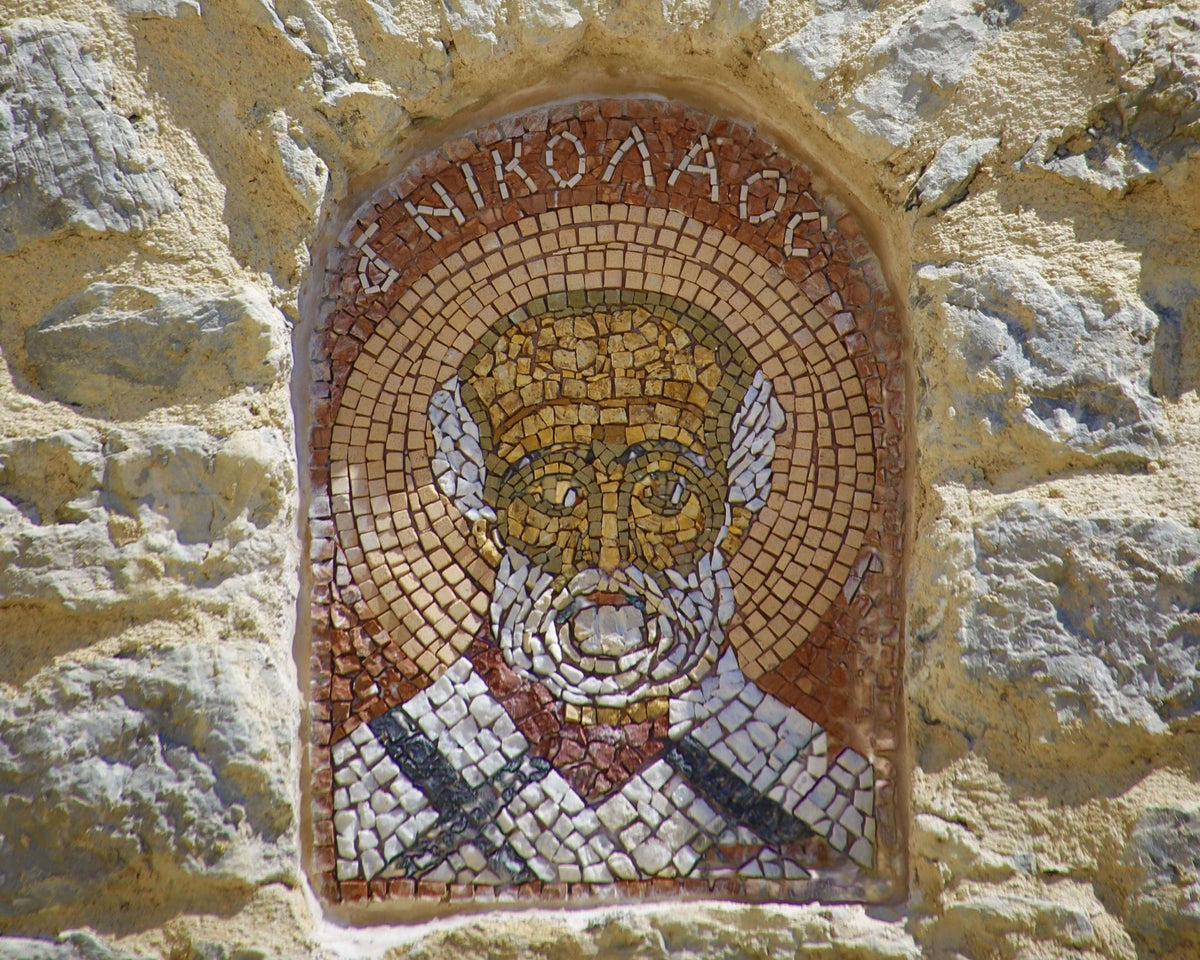
Before Santa Claus became the red-suited figure we know today, there was Saint Nicholas, a Greek bishop whose story began in the 3rd century in Patara, a Greek seaport in Asia Minor.
Born to wealthy Christian parents, Nicholas inherited a considerable fortune after their deaths. Rather than keeping it for himself, he chose to give it to those in need. One of the most enduring stories tells of a poor man with three daughters who could not afford their dowries. Under the cover of night, Nicholas secretly threw bags of gold through their window, giving the daughters the means to marry and changing the family’s future.
It was this quiet tradition of anonymous gift-giving that helped shape the legend of Saint Nicholas. As stories of his generosity travelled across Europe, different countries developed their own customs around his feast day on 6 December. In some places, children began leaving out shoes or stockings in the hope of finding small gifts and treats by morning.
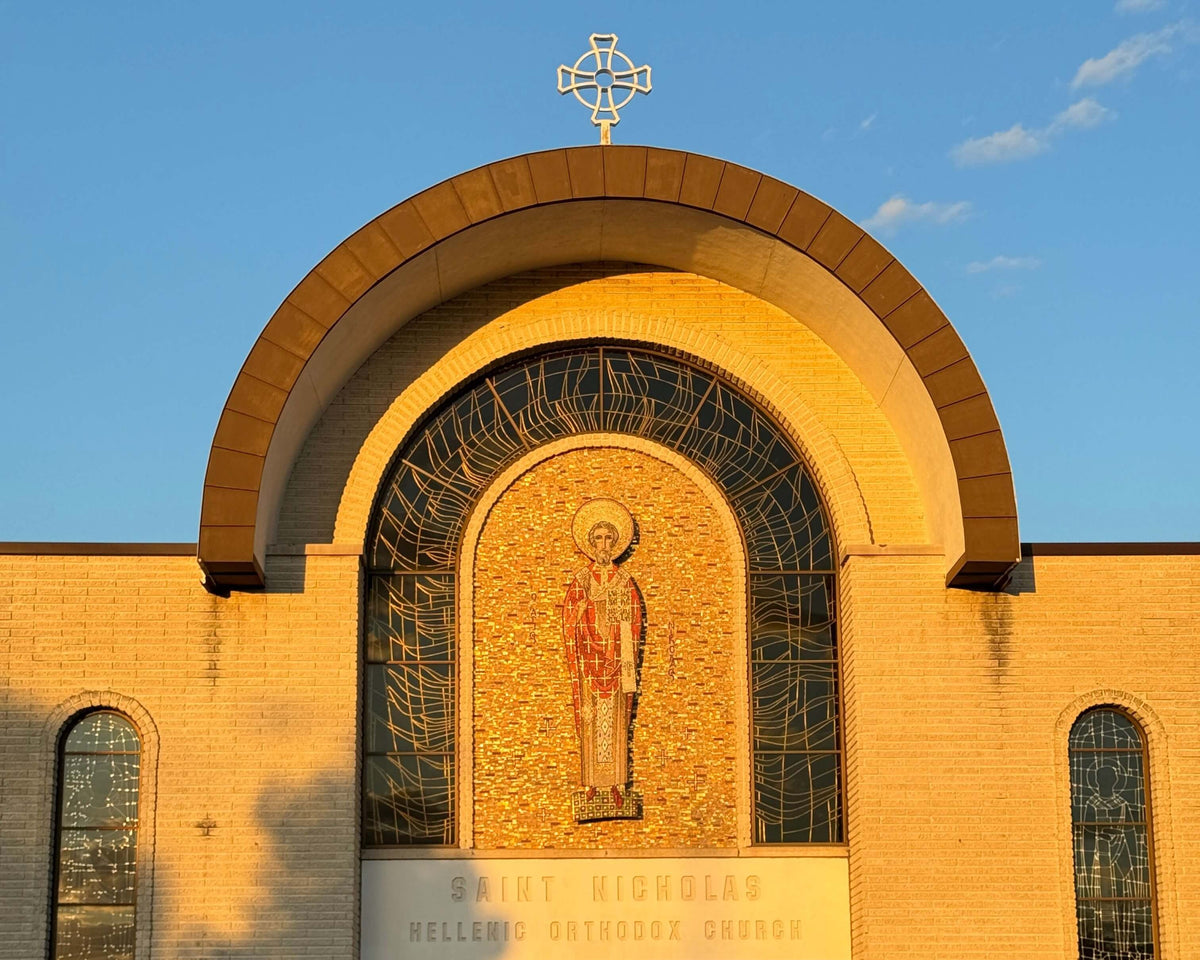
But Nicholas was more than a giver of gifts. He was also known as the patron saint of sailors and fishermen. According to legend, he once calmed a violent storm while travelling by sea, and coastal communities across Greece came to look to him as their protector. He became known as the ‘Lord of the Sea’, and churches dedicated to Aghios Nikolaos can still be found throughout Greece, particularly around ports and harbours.
As his story travelled further, Saint Nicholas became Sinterklaas in the Netherlands and eventually evolved into the Santa Claus we recognise today. The familiar red suit, sleigh and reindeer came much later, shaped by 19th-century American poetry and illustrations.
What remains at the heart of the story, however, is something much simpler: the joy of giving. It is not only the gift itself, but the sentiment and story behind it that gives it meaning.
In Greece, Saint Nicholas remains Aghios Nikolaos, remembered not only for his generosity but also as a protector of the sea. The gift-giver, however, is traditionally Agios Vasileios, or Saint Basil, who brings presents to Greek children on New Year’s Day.
Read more

Kate Varah, Executive Director and Co-Chief Executive of the National Theatre, shares her Christmas traditions, festive rituals and favourite Cassandra Goad jewellery in this year’s Festive Wishlis...
Read more