



Opals: A Study in Colour
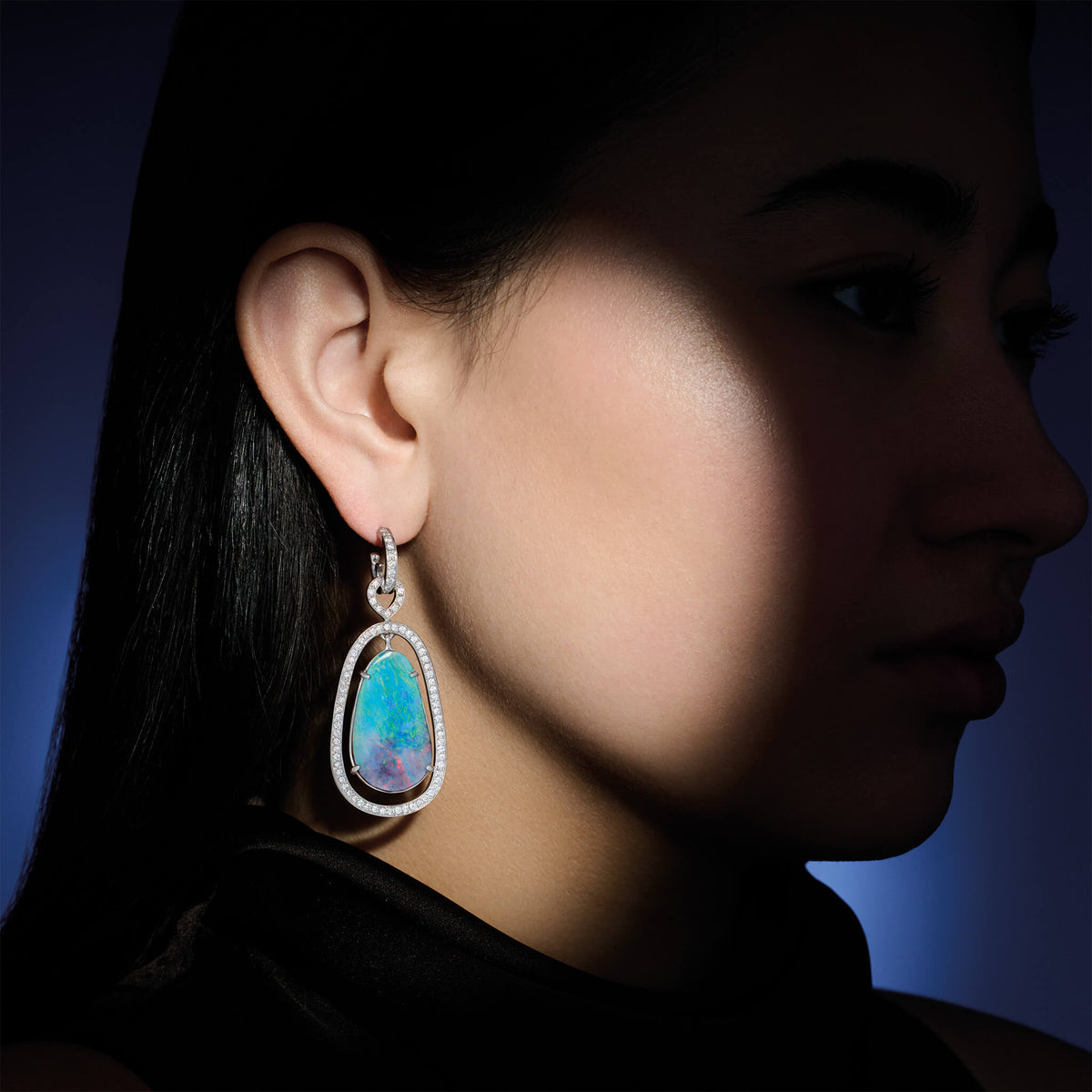
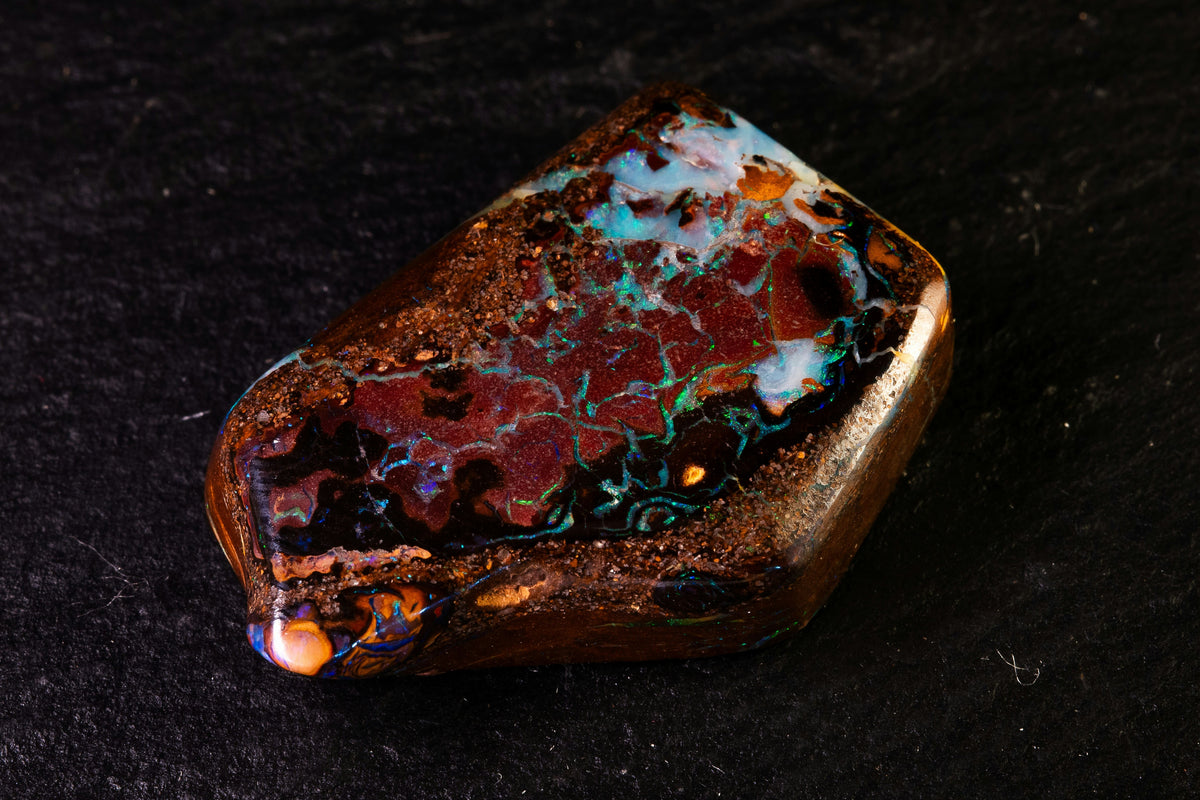
Opal’s beauty lies not in a single shade, but in its ability to transform as it catches the light. From deep ocean blues and greens to fiery oranges and pinks, each opal carries its own unique pattern of colour, making every gemstone entirely individual.
Unlike most precious stones, opal is not formed from a crystal structure but from tiny spheres of silica arranged within the stone. When light enters these microscopic layers, it is scattered to create the phenomenon known as play-of-colour. The precise arrangement of these spheres determines the colours revealed, meaning that even two opals from the same mine can look completely different.

Throughout history, opals have inspired fascination and folklore. The ancient Greeks believed opals held the power of prophecy and protected their owners from illness, while the Romans considered them one of the most valuable gemstones, admiring the way they appeared to contain the colours of every other precious stone. Today, Australia is the world’s leading source of precious opal, with famous deposits found in locations such as Lightning Ridge, Coober Pedy and Queensland. Mexican orange fire opal is mostly found near the town of Querétaro in Mexico.
Opals are also unique in the way they should be cared for. Containing natural water within their structure, they are more delicate than many other gemstones and can be affected by extremely dry conditions or sudden temperature changes. For this reason, collectors often recommend storing solid opals in a closed space with a small glass of water nearby, helping to maintain humidity and minimise the risk of the stone drying out and cracking.
Discover October's Birthstone: Opal & Tourmaline


Pink Opal


Fire Opal & Diamond


Opal & Diamond
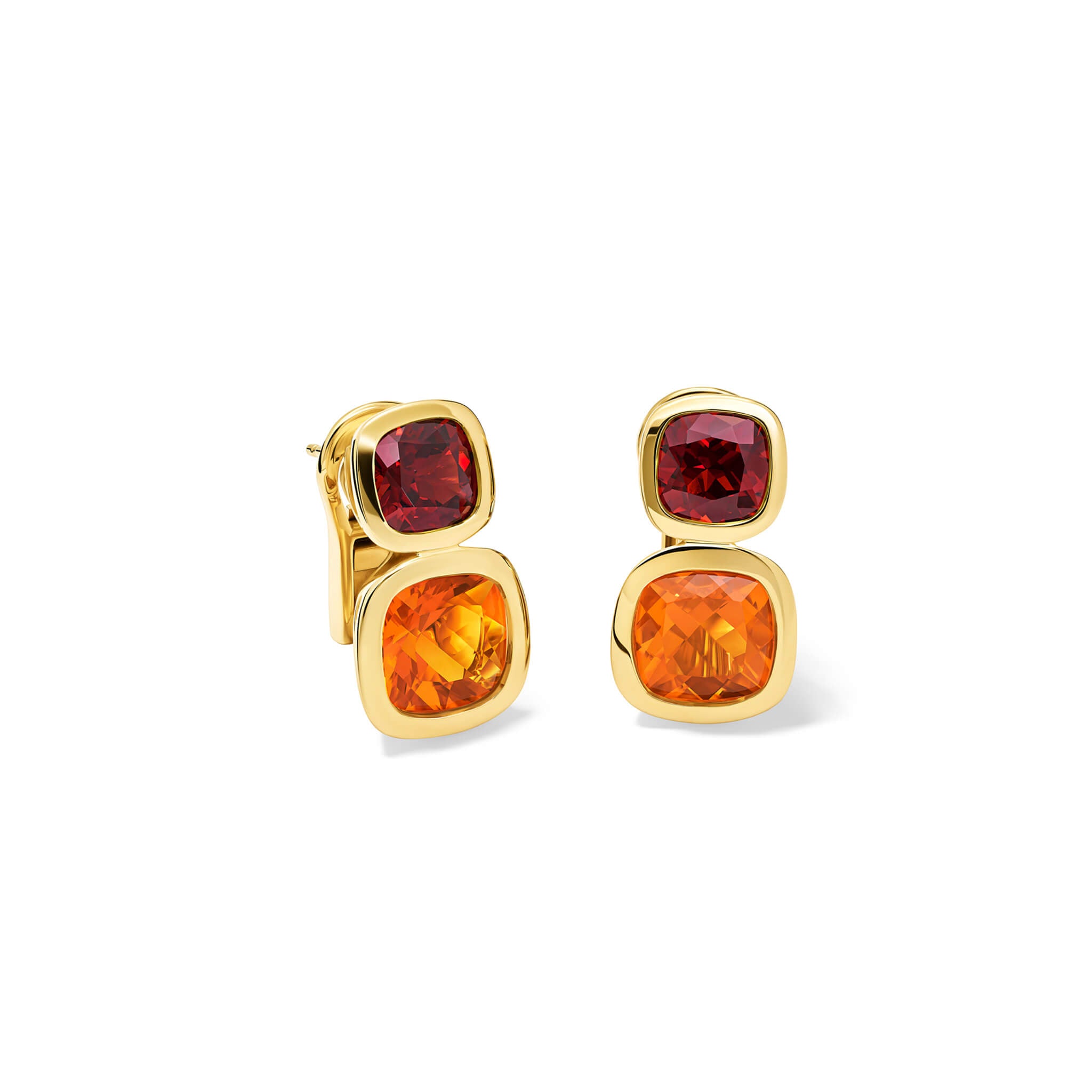
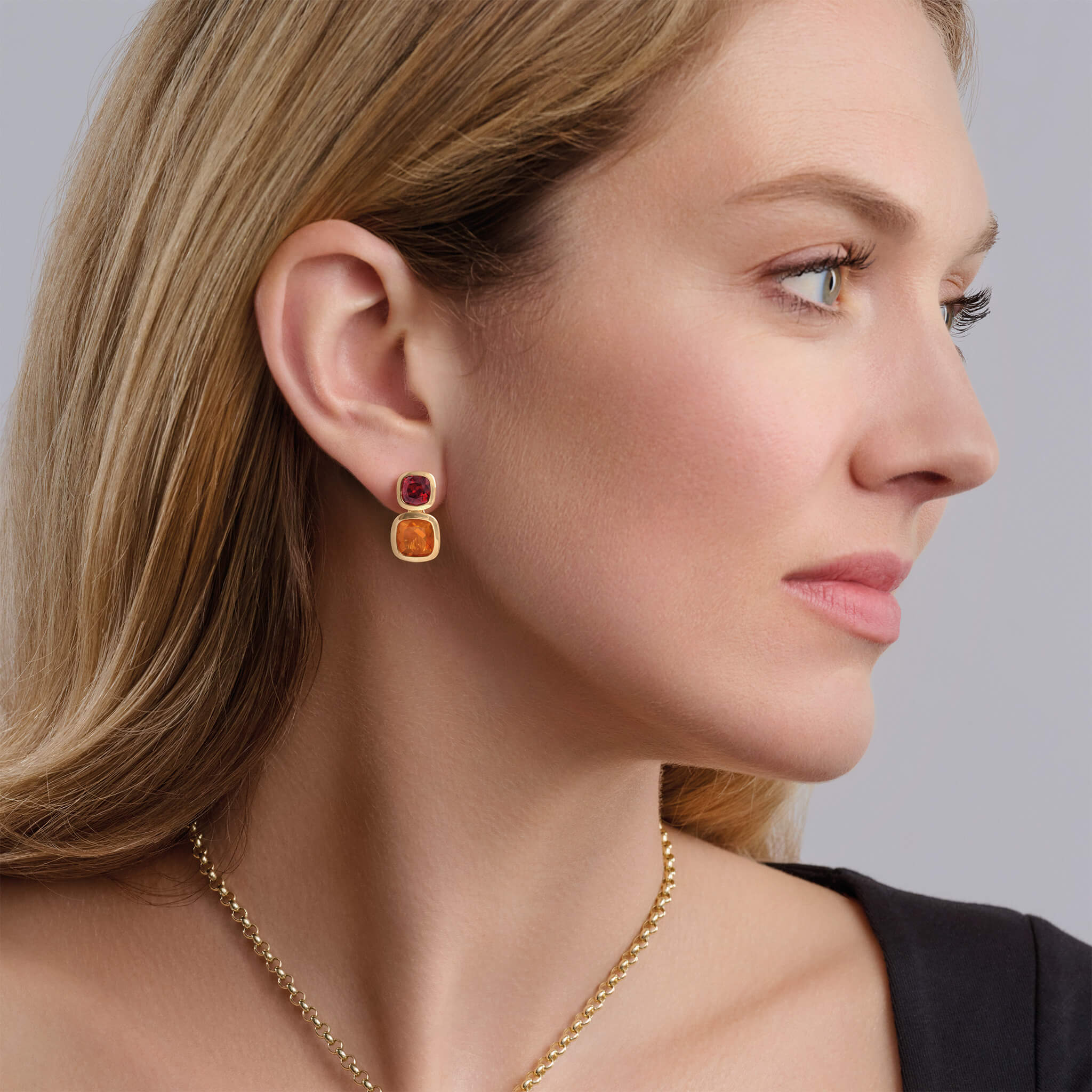
Garnet & Fire Opal


Opal


Cabochon Deep Green Tourmaline


Cabochon Pink Tourmaline