





Secrets of Pompeii Surface At Last
An exciting new discovery has emerged in Pompeii. The city’s largest excavation campaign in decades has begun, revealing astonishing glimpses of daily life frozen in time by the eruption of Mount Vesuvius. From the earth have surfaced painted walls, decorated dining rooms, and details of everyday life that transport us directly into the Roman past...
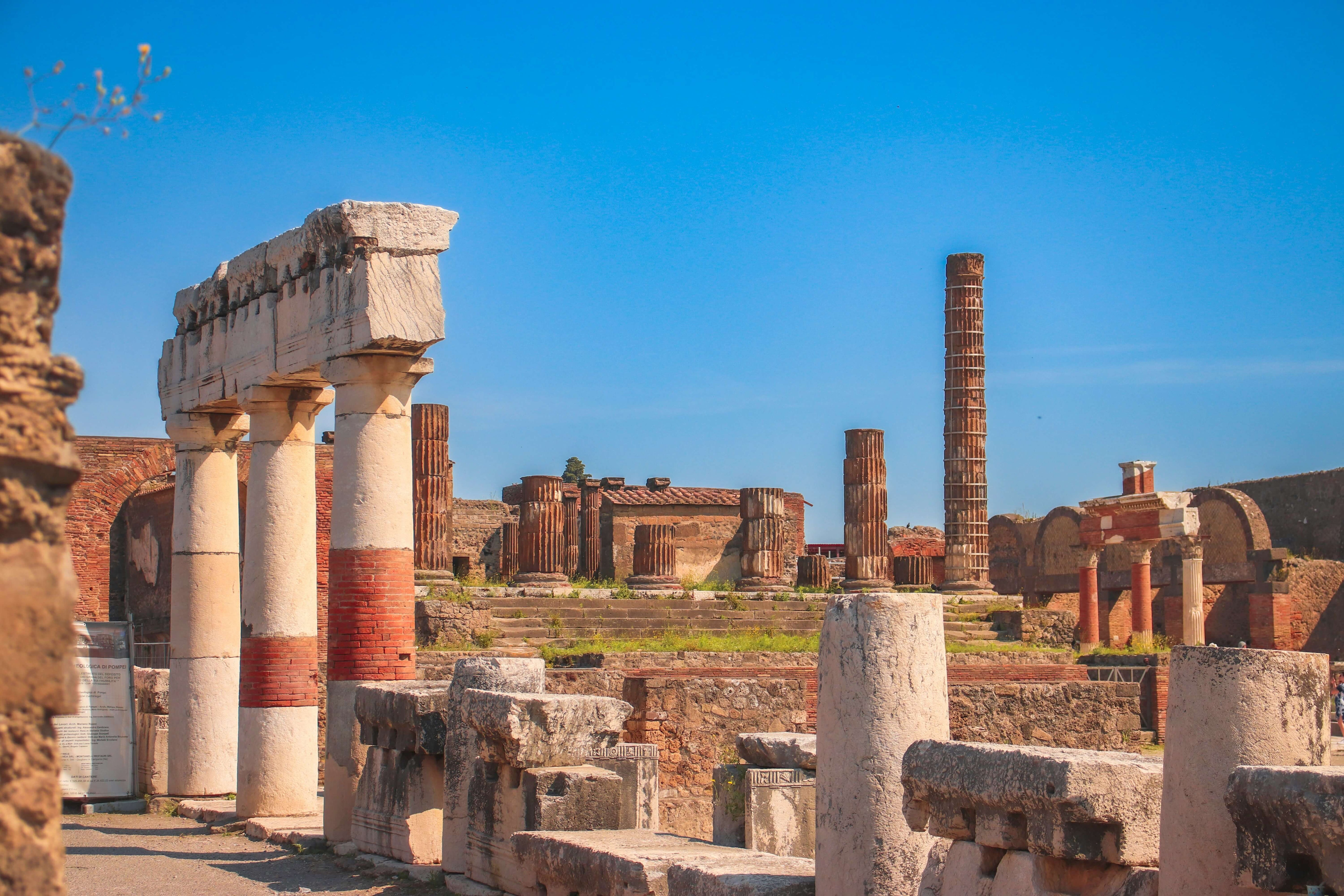
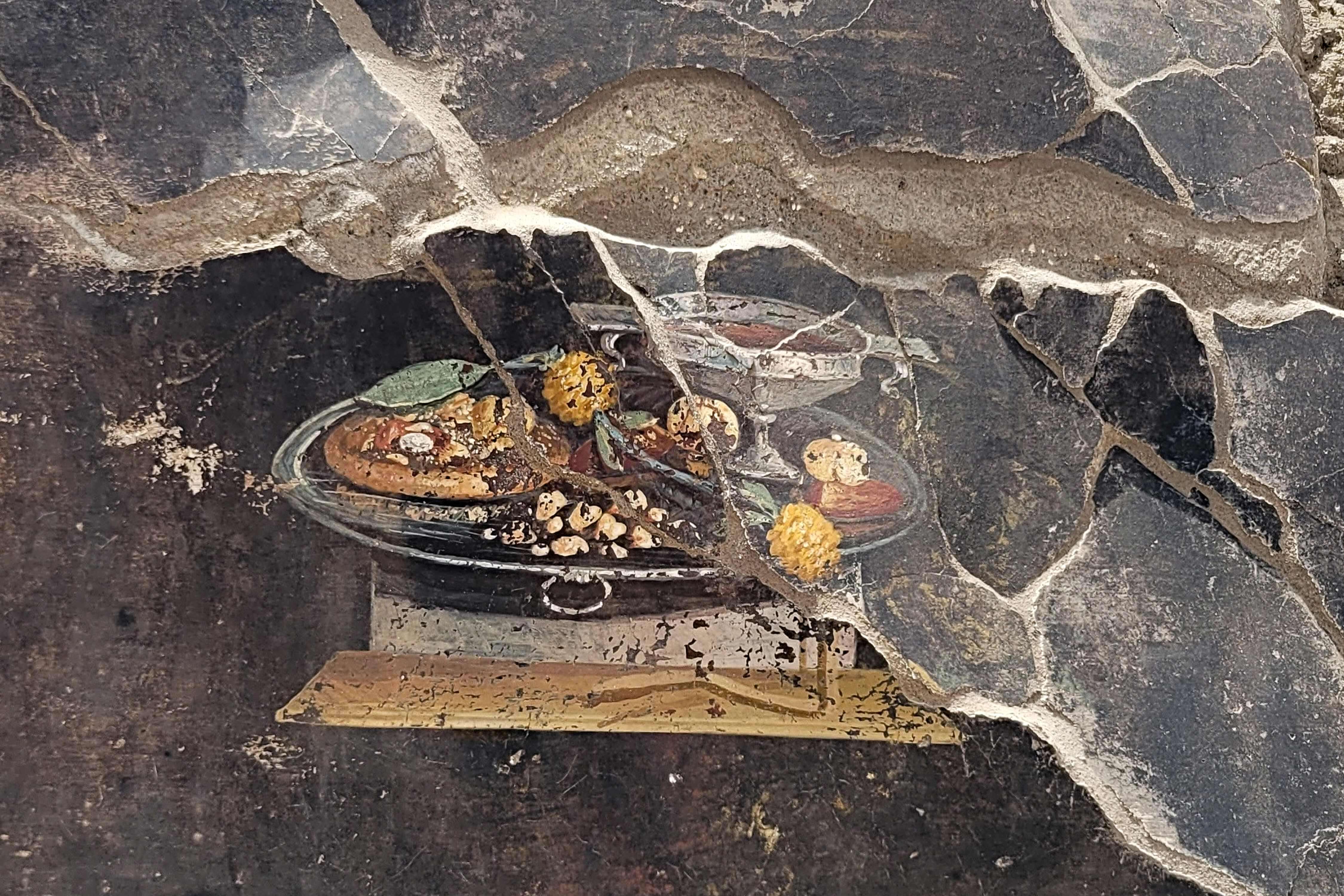
Among the finds, one image captured attention, a still life from the atrium of a house in Regio IX. At first glance, it resembles nothing less than a pizza, served as though straight from a Neapolitan pizzeria. Yet as archaeologist Gabriel Zuchtriegel reminds us, tomatoes and mozzarella had no place in Roman kitchens. Instead, the flat bread is topped with fruits - dates, pomegranates, and flavoured with spices. What feels familiar is a reminder of continuity: the simple dishes of the poor finding their way into high cuisine. Just as pizza now graces menus in London and Manhattan’s most expensive restaurants, so too did humble foods once find a place at Pompeian tables.
In the house next door, an impressive, large house is partly excavated. When entering the dining room, the walls are painted an intense black. By day, the walls absorbed light, by night they concealed the smoke of oil lamps as guests reclined for long, lavish banquets. Music, conversation and feasting filled the space. Painted on the south wall, a drama unfolds between God and mortal.
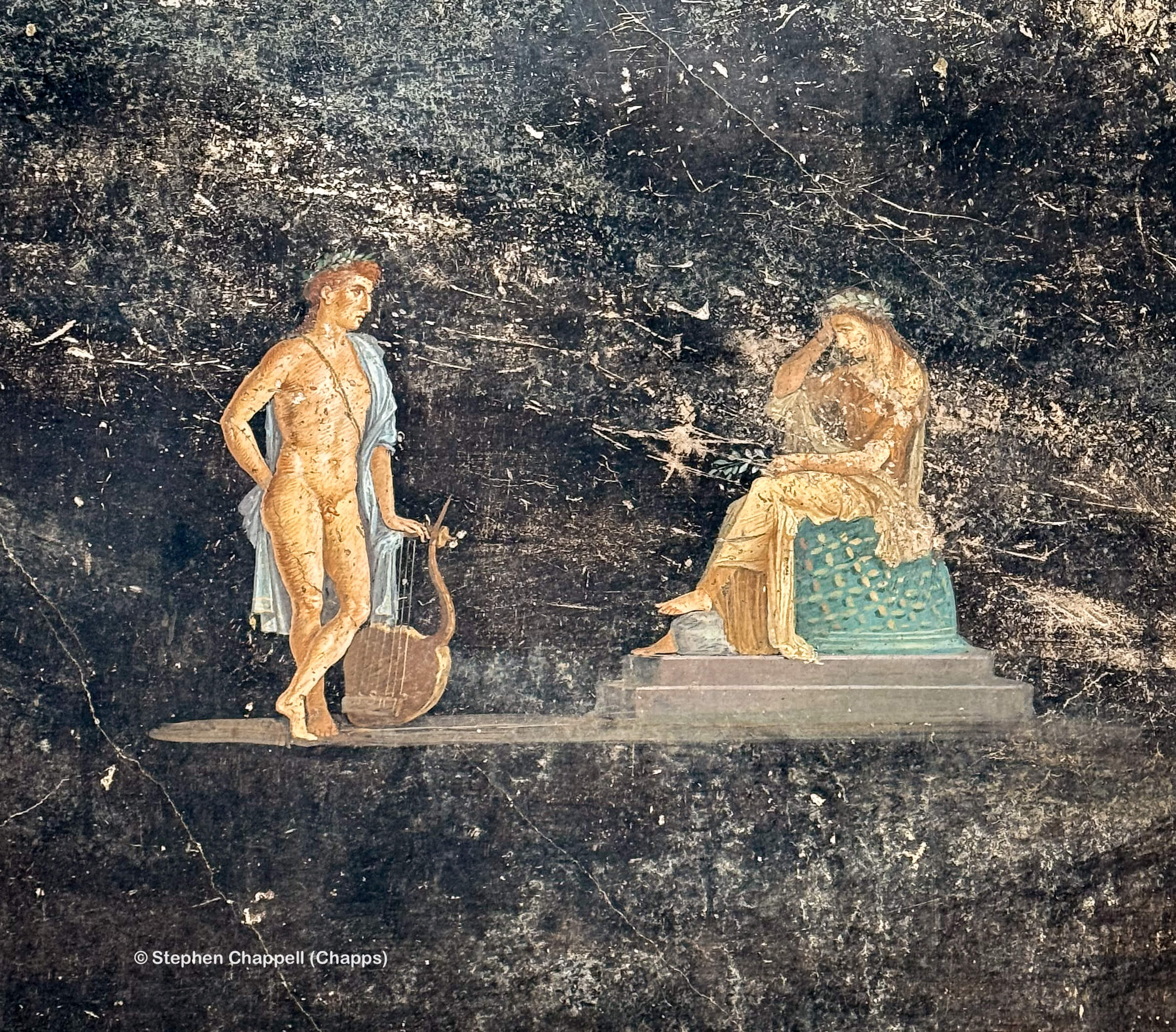
Apollo, crowned with laurel and holding his lyre, turns his gaze toward a woman seated on a hemisphere - the omphalos, the very centre of the world according to the Greeks, located at Delphi. For a moment the woman was thought to be the Pythia, the priestess who delivered oracles in Apollo’s name. Yet the surrounding frescoes, alive with scenes of the Trojan War, point to another figure entirely: Cassandra, the sister of Paris, Prince of Troy.
When she refused Apollo’s advances, he twisted his gift of prophecy into a punishment. Cassandra could see the future, but no one would believe her warnings. She foresaw Troy’s destruction with the trick of the wooden horse. Yet she was silenced by disbelief, condemned to watch disaster unfold.
For Zuchtriegel, discoveries like this painting are part of a larger story, a reminder that Pompeii is far from a finished tale. Beneath its surface, countless houses and stories still wait to be uncovered. In his book The Buried City, Zuchtriegel described Pompeii as a place where the past is never entirely silent, only waiting to speak. Just months later, these new finds reaffirm that vision, showing once again that the city still has stories to tell.
Read more

