




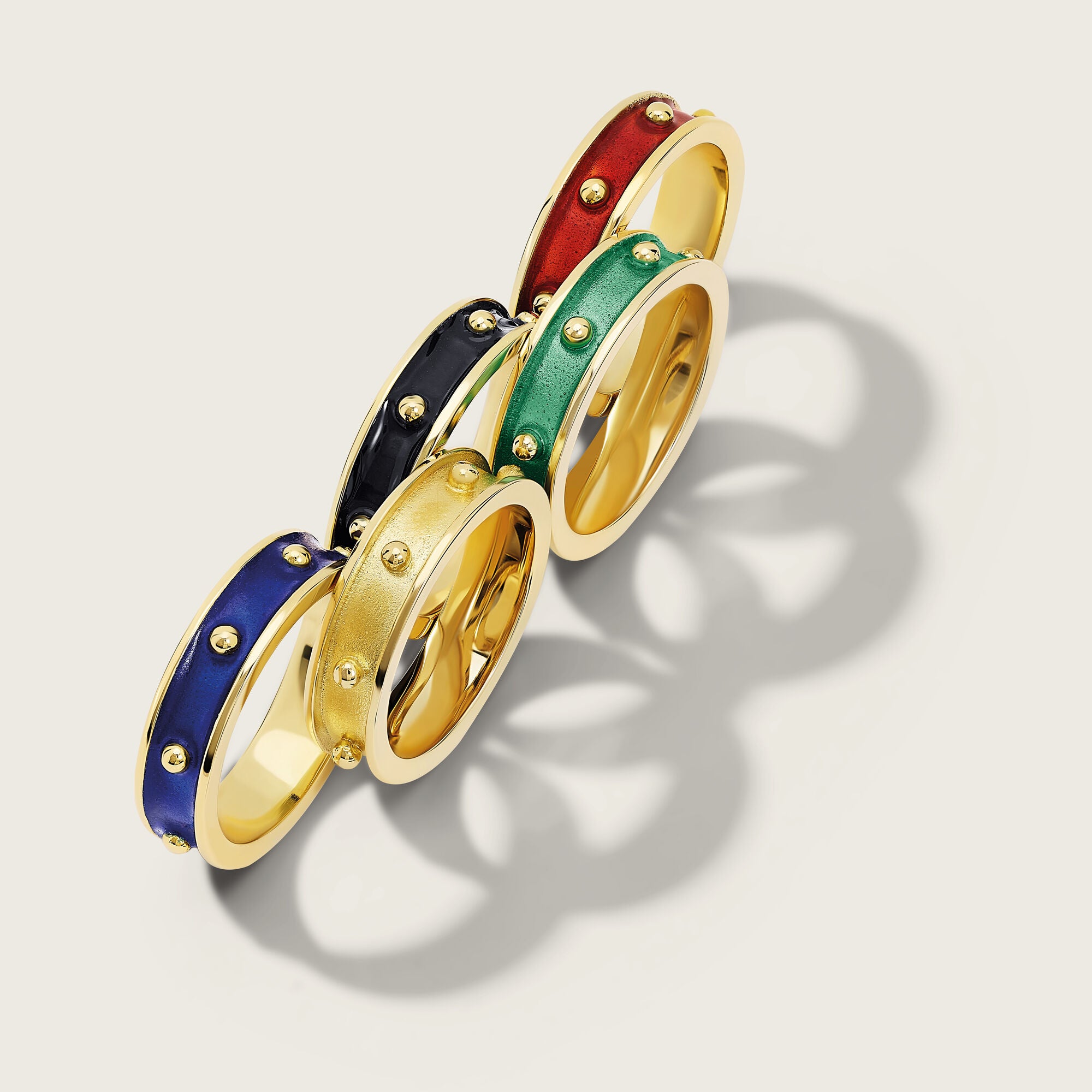
The Olympics: Where Gods and Games Were Born
In the small town of Olympia, high in the hills overlooking the west coast of the Peloponnese, lies a sprawling sanctuary complex, the home of the Olympic Games. The sanctuary’s temple was the centre of a cult worship to Zeus, which grew through the centuries to become a panhellenic phenomenon. The Olympic Games are one of the most enduring traditions from ancient Greece, their origin shrouded in myth.
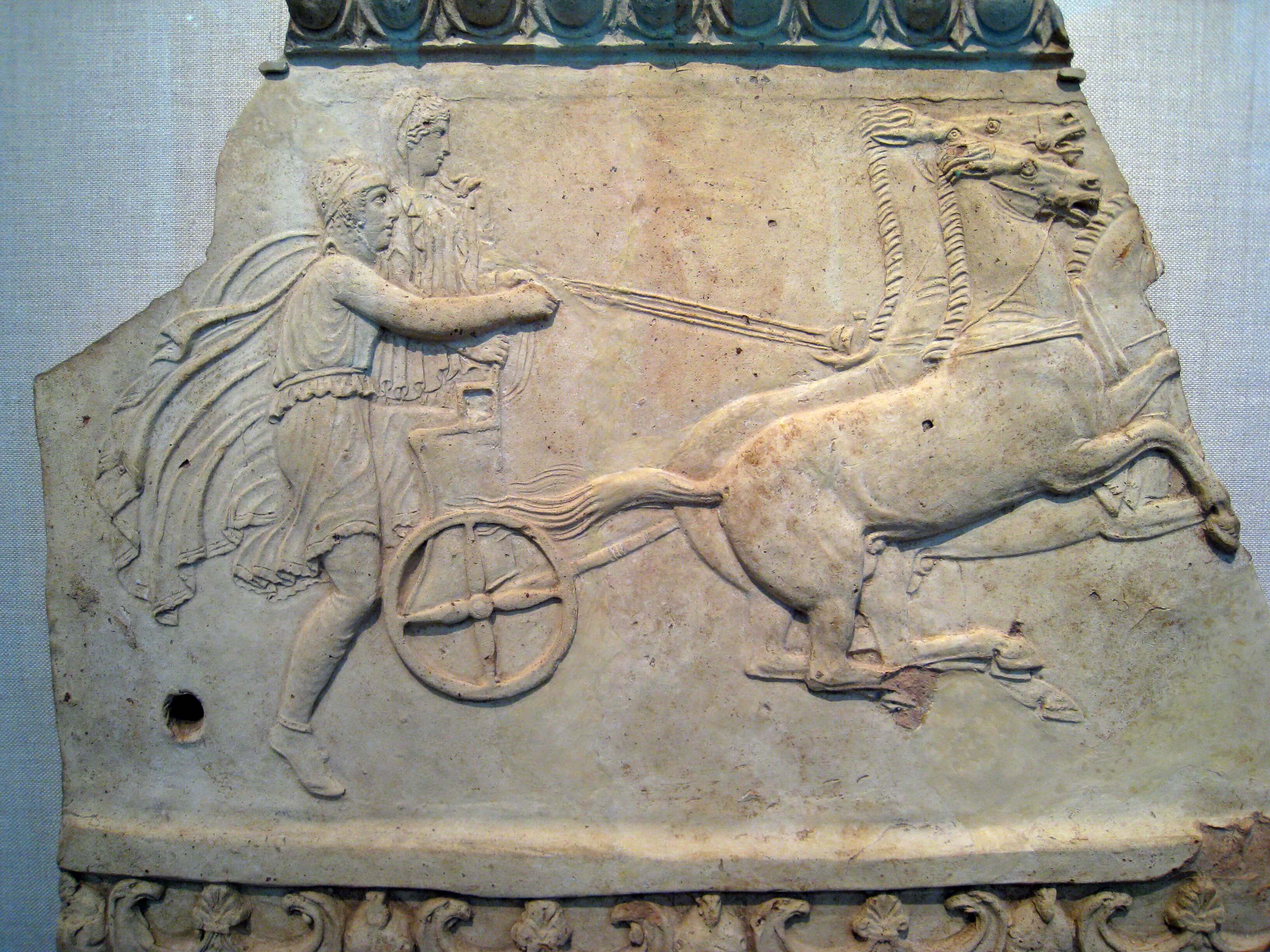
Pelops, the young king of Elis, journeyed to Olympia having heard of a contest to win the hand of the beautiful Hippodameia, the daughter of King Oenomaus. King Oenomaus was strongly against the idea of his daughter marrying, so had devised a monumental chariot race stretching from Olympia to the Isthmus of Corinth in the hopes of deterring potential suitors. This was no ordinary race, however: once overtaken, the suitors would be slashed through and left to perish. Pelops, rather fond of living, devised a plan to succeed. He prayed to Poseidon and the god gifted him a magical chariot with winged horses, swifter than any other animal. He also bribed Oenomaus’s charioteer Myrtilos to tamper with the axel on the King’s chariot, replacing the metal bearings with wax. When it came to the race, Oenomaus himself perished and Pelops, the victor, took Hippodameia to be his wife. Pelops’s new kingdom quickly grew to cover most of the southern Greek mainland, which took his name to be called the Peloponnese. The Games at Olympia were founded in honour of this momentous event
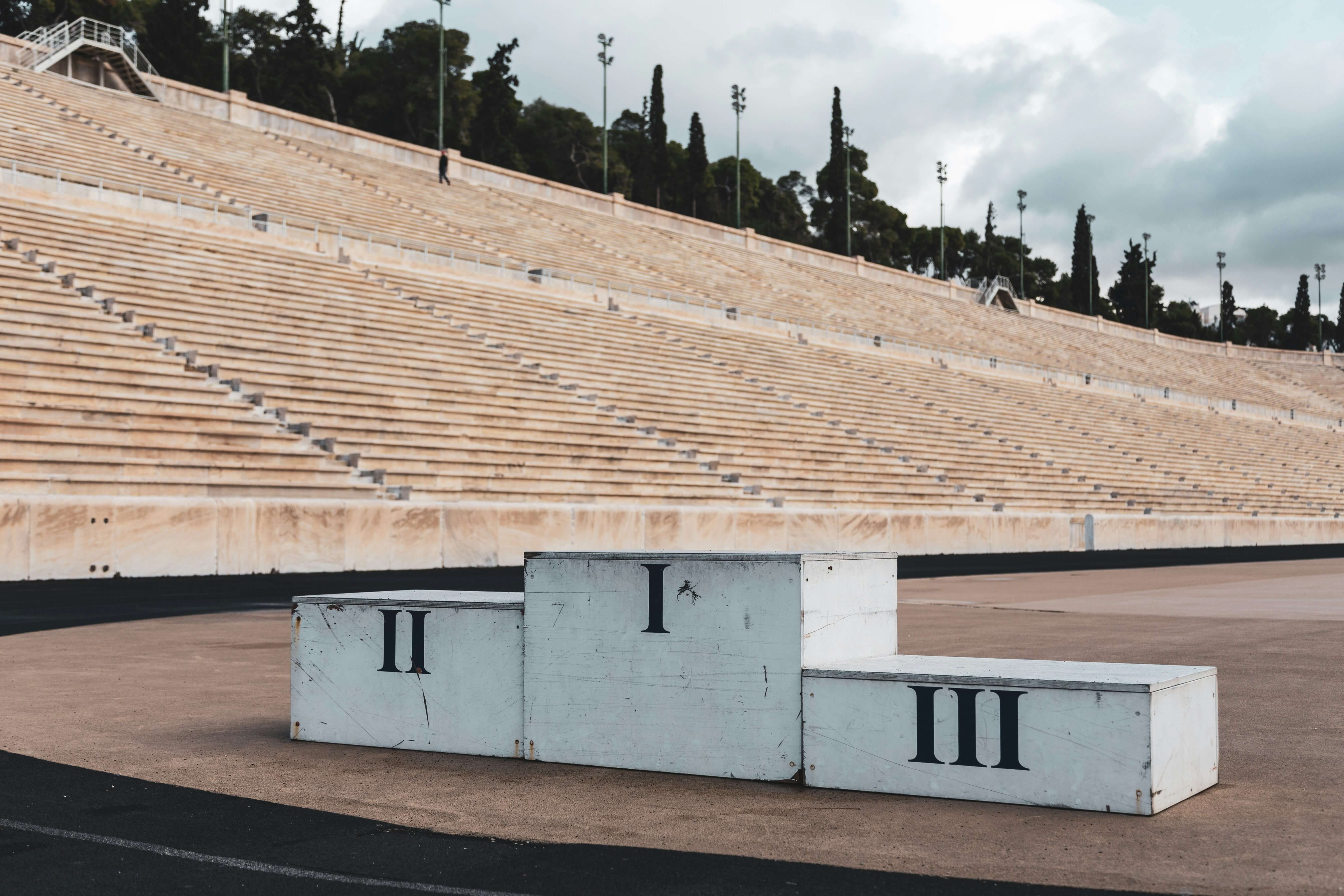
From sporting heroes to rising stars in the artistic sphere, the games were a place to debate, showcase, and marvel at the best of Greece. Despite their catalytic nature, some disagreed with the games entirely: some philosophers thought the games were a distraction from what really mattered in life. They despaired at the athletes, crying “Greece has many ills, but the worst one is the athletes!” They are described in Euripides Autolycus as “servants of their masticatory organs” and “slaves of their stomachs”. Despite this decrying of the athletes, many received patronage from wealthy citizens. Through this patronage, anyone willing to financially support an athlete could become a victor of the Olympic games… even women! The ancient rules forbade female contenders from entering any events, but even so this did not stop the Spartan princess Kyniska, who became the first woman to win the chariot racing at the end of the 4th century BCE, thoroughly mortifying her male competitors.
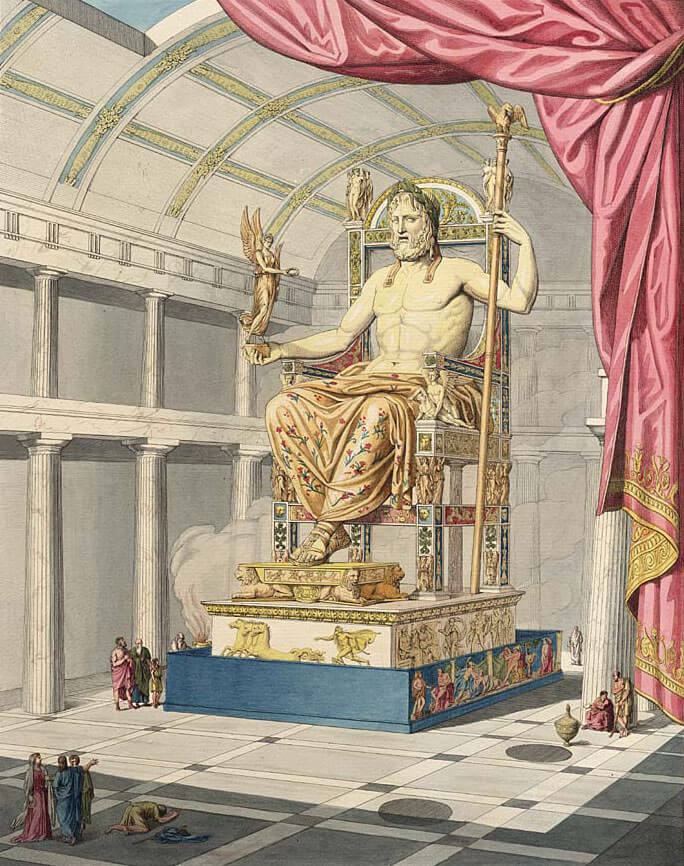
The games were also a time for religious sacrifice, as they were the celebration of the cult of Zeus: sacrifices and libations were made in honour of the gods, including Pelops, and the victors. Phidias’ statue of Zeus, one of the seven wonders of the ancient world, embodied this relationship between religion and success. At over forty foot tall, the chryselephantine statue presided in the Temple dedicated to him, towering over the visitors. Those who looked upon the statue were said to be blessed, protected from an unpleasant death. The statue is now lost to time, but on visiting Olympia, one can envisage how the gold and ivory panels would have gleamed divinely in the hot mediterranean sun.
Read more

Persephone Books: Rediscovering Forgotten Classics
Often, pieces of writing are quietly forgotten, left out of print, considered out of fashion, or simply overlooked. But some still have something vital to say and Persephone Books exists to give t...
Read more
Cassandra's Guide to London in the Spring
Discover Cassandra's guide on what to do, what to see and where to eat this spring in London.
Read more