




The Hidden Coin of Fortune
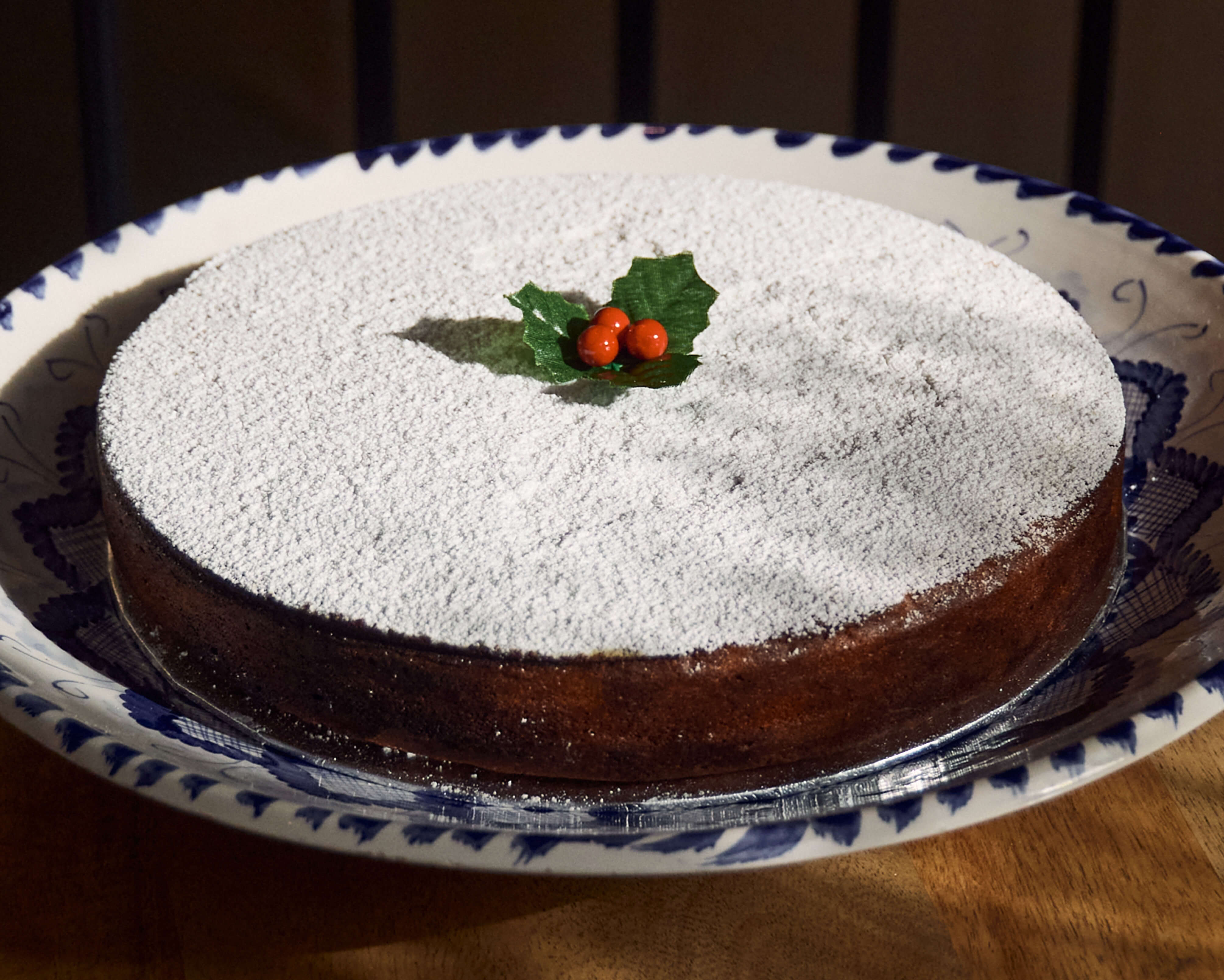
On the first day of each new year, Greek homes are filled with more than just resolutions, they are filled with anticipation. Wine is poured and all eyes are fixed onto a single gold round cake, but hidden inside lies a token of immense significance: a tiny coin baked into the heart of the vasilopita, the flouri.

The word Vasilopita, derived from ‘Vasilios’ (Basil) and ‘pita’ (cake), carries the legacy of Saint Basil, a man of learning and compassion, known for his kindness to the poor. The cake is ceremoniously cut: first for Christ, then the household, and then for each person present. To receive the slice with the flouri is to be blessed with luck for the coming year.
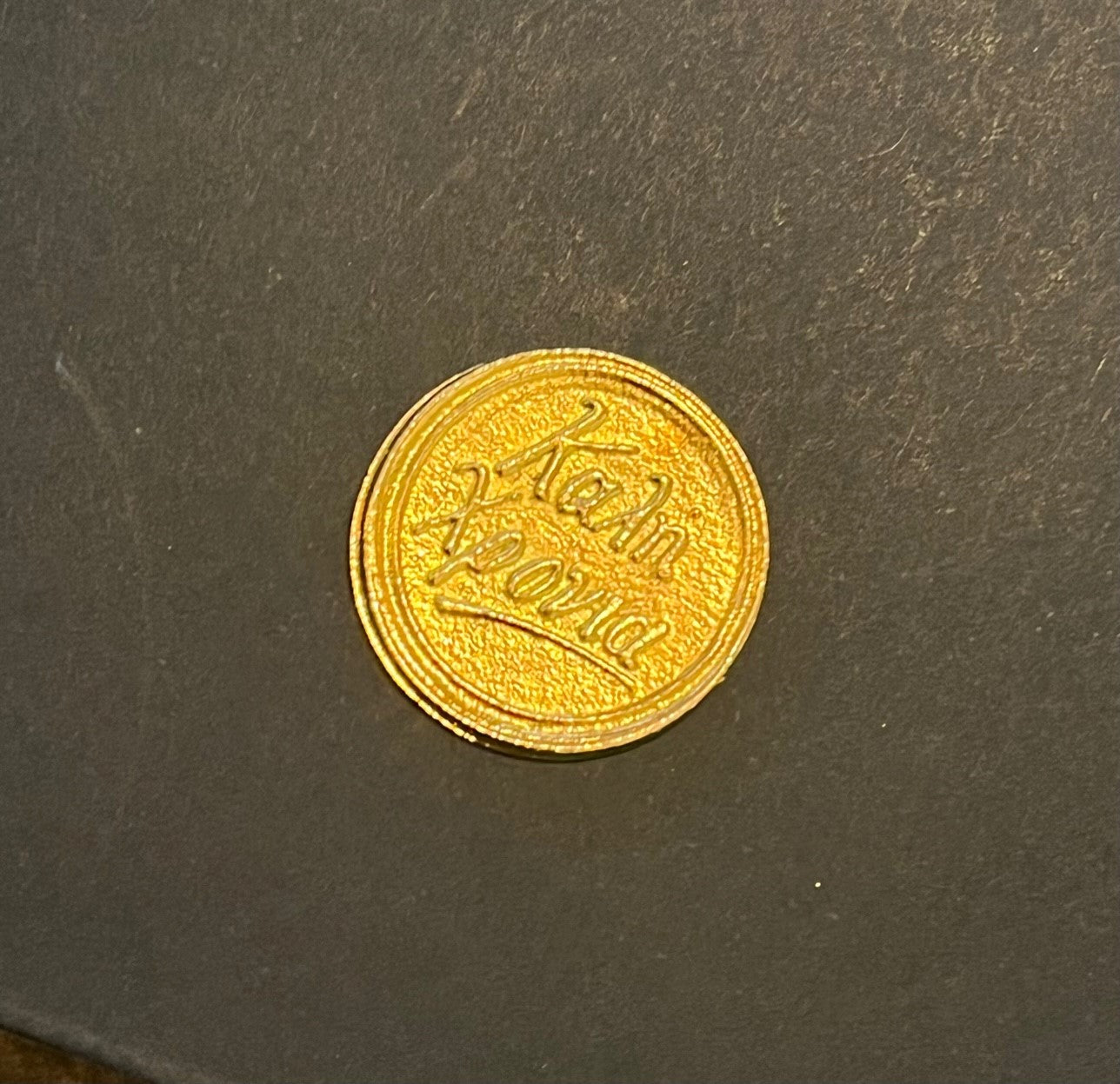
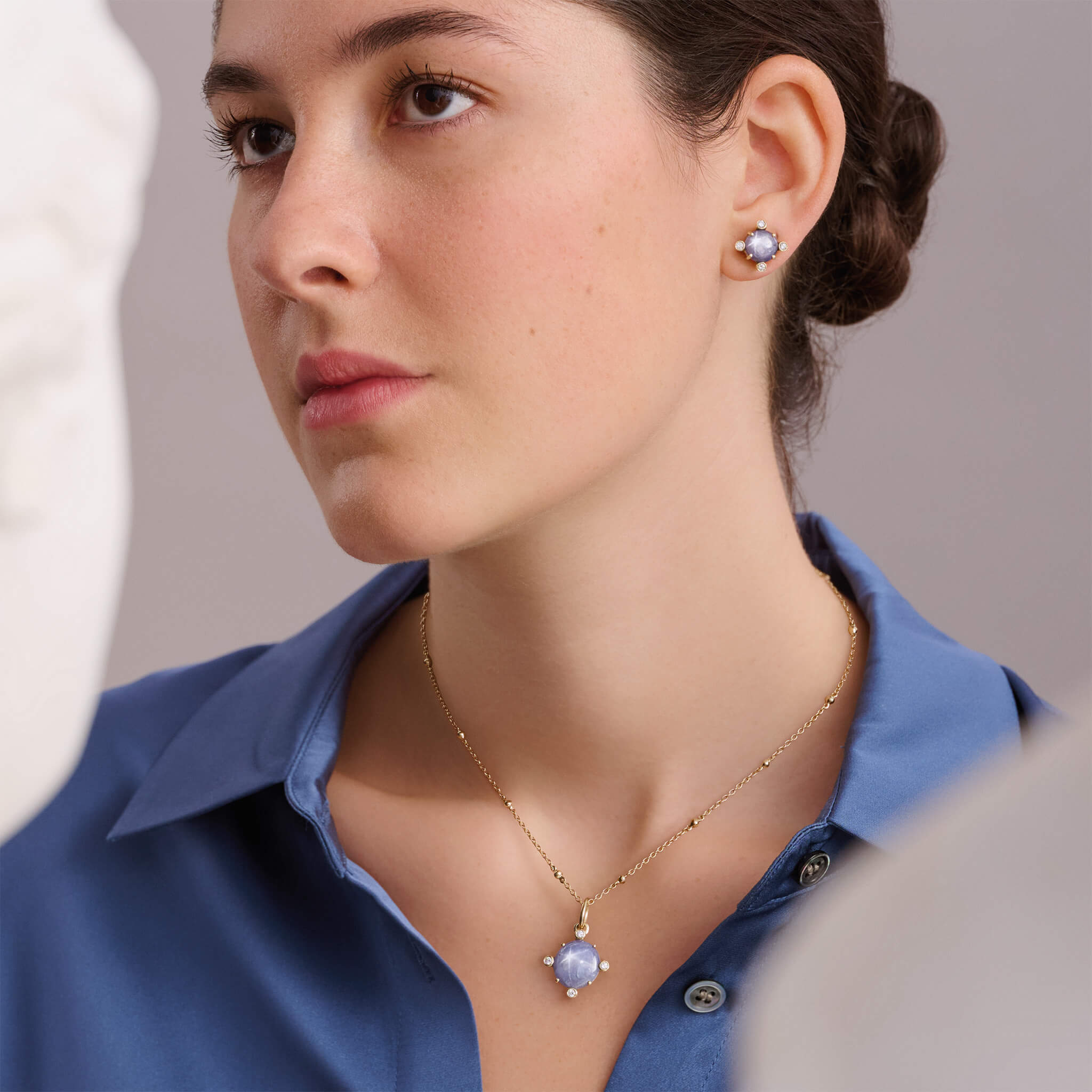
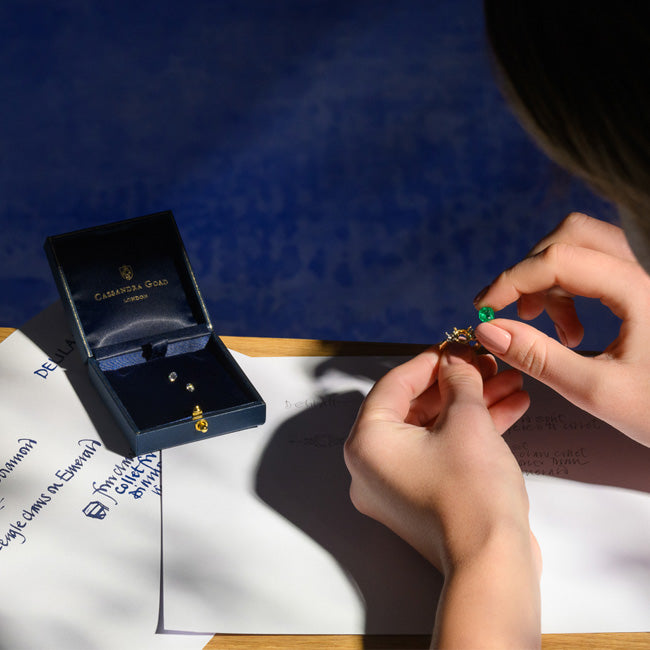
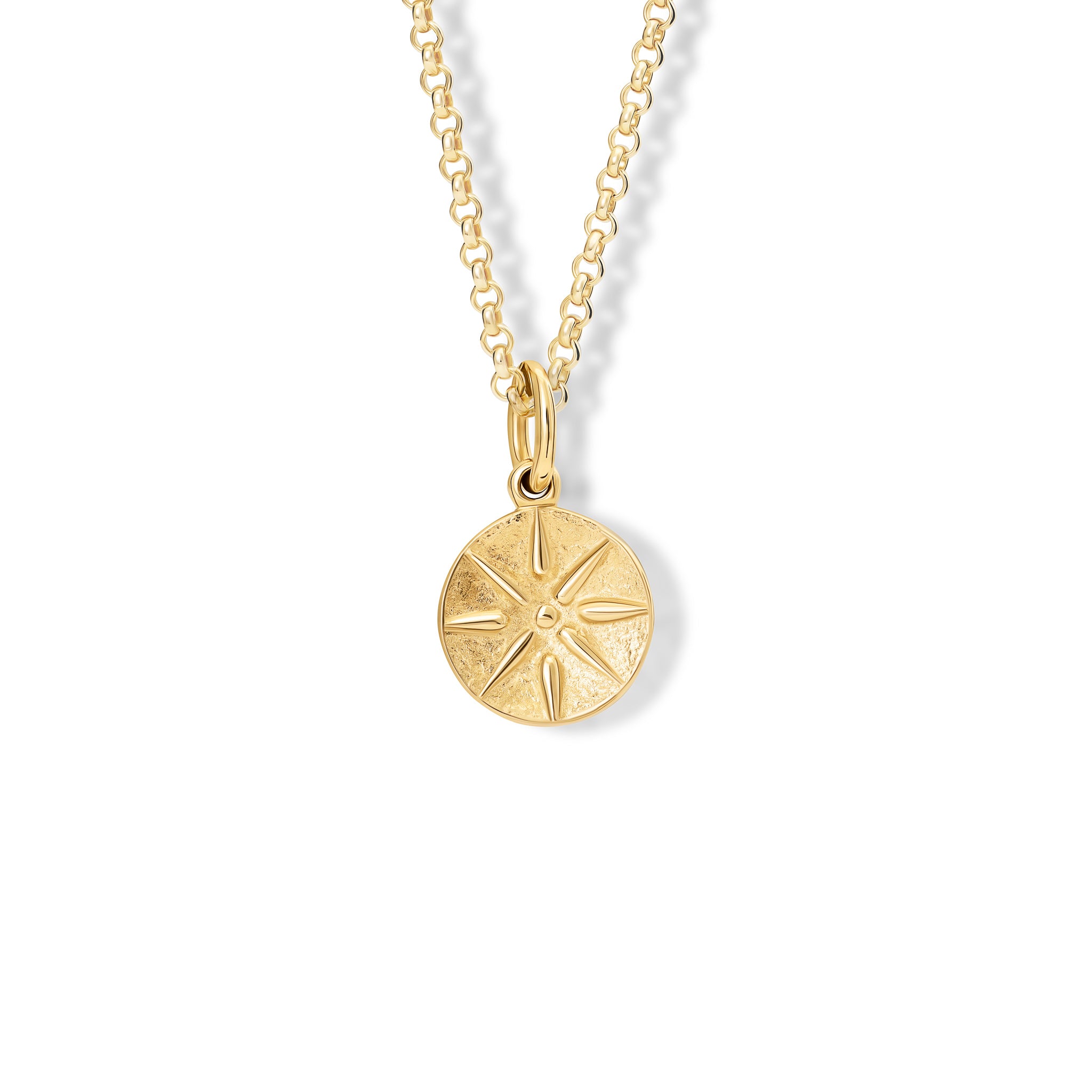
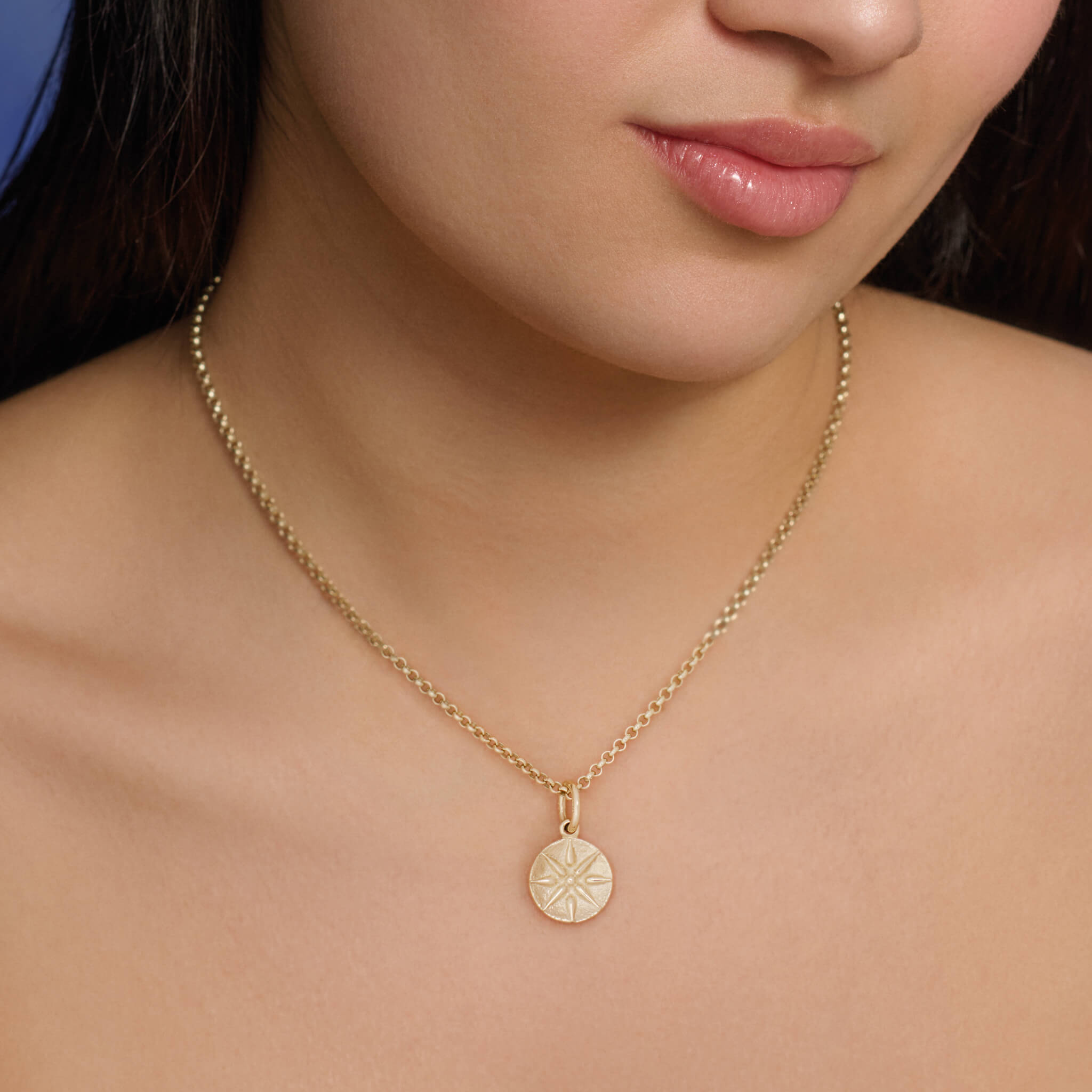
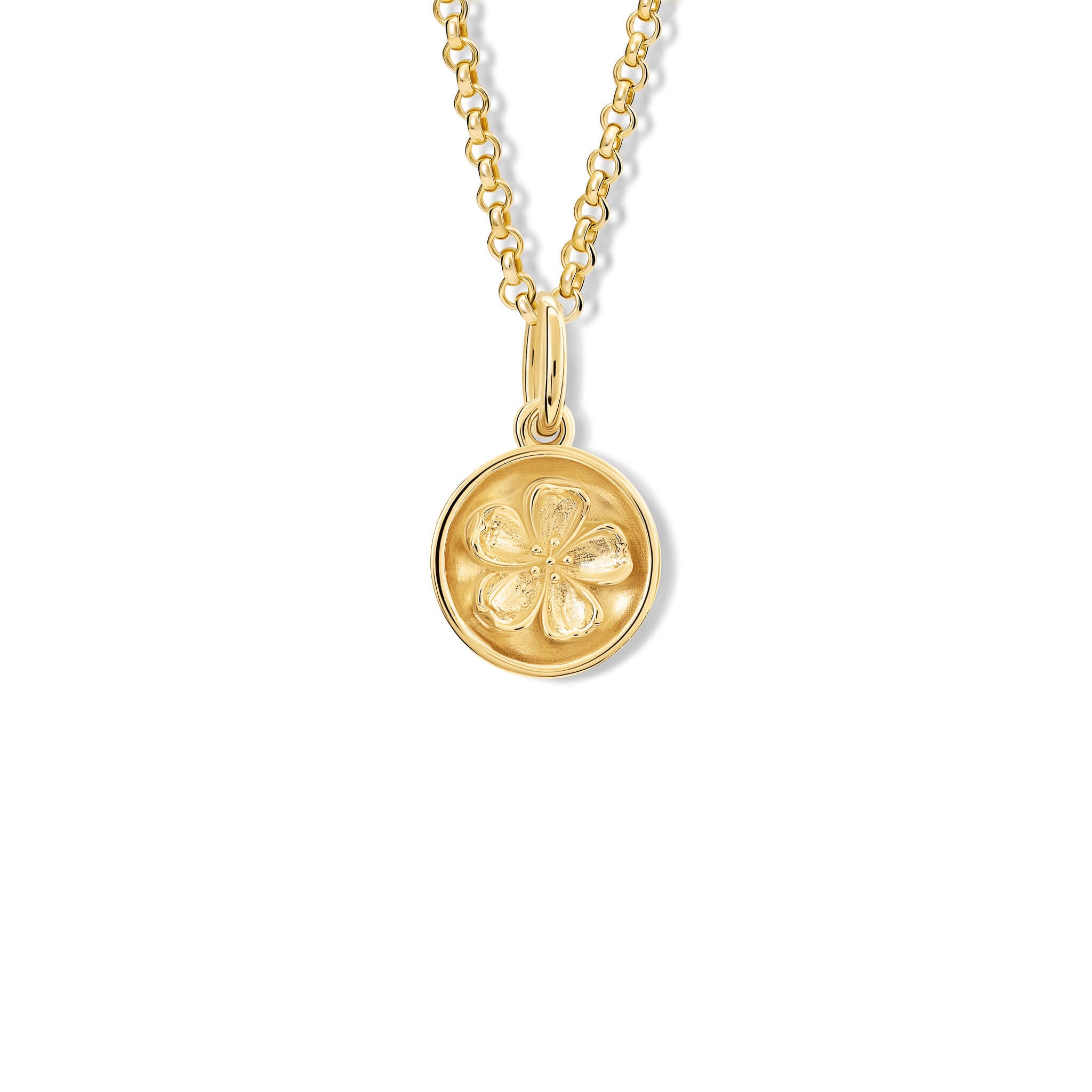
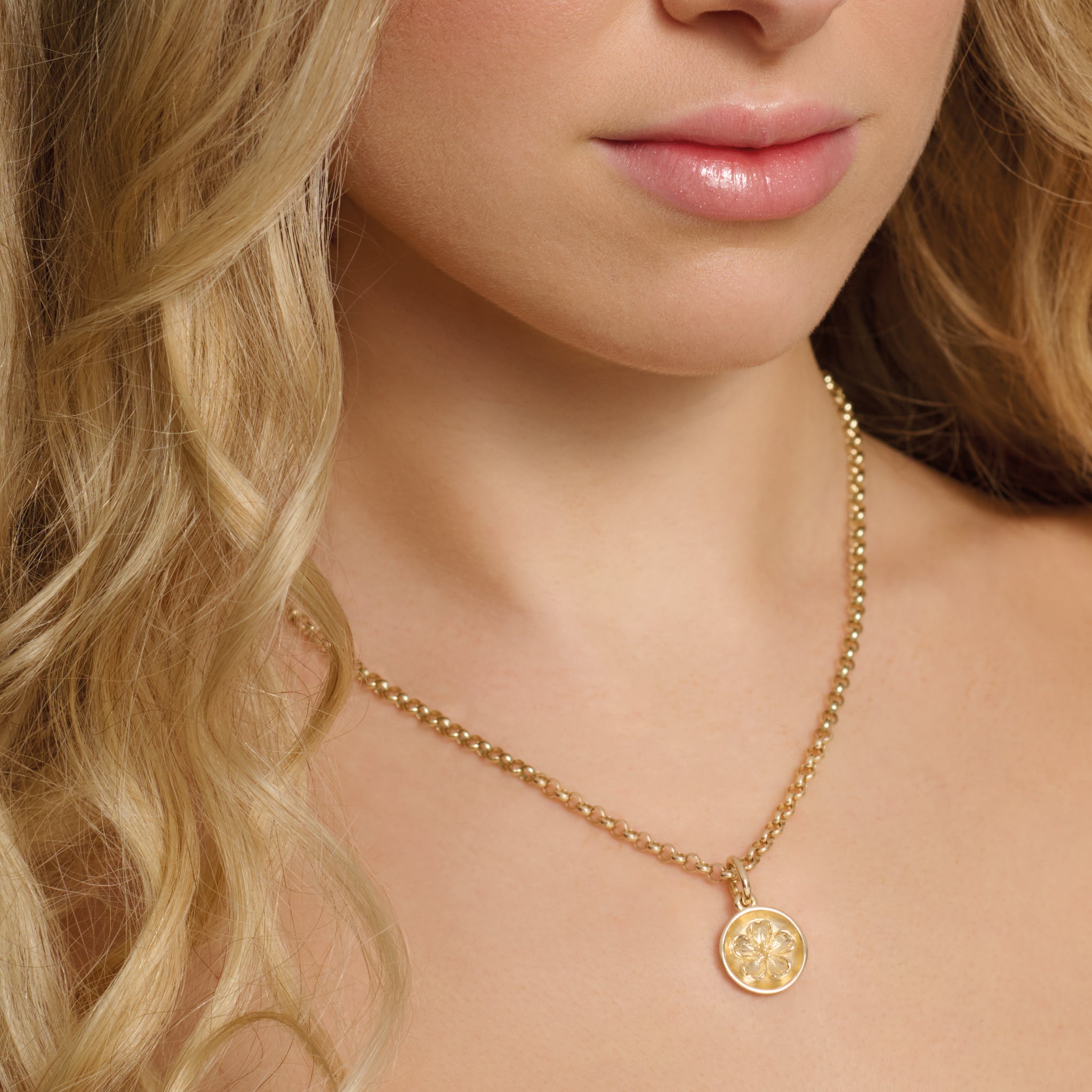
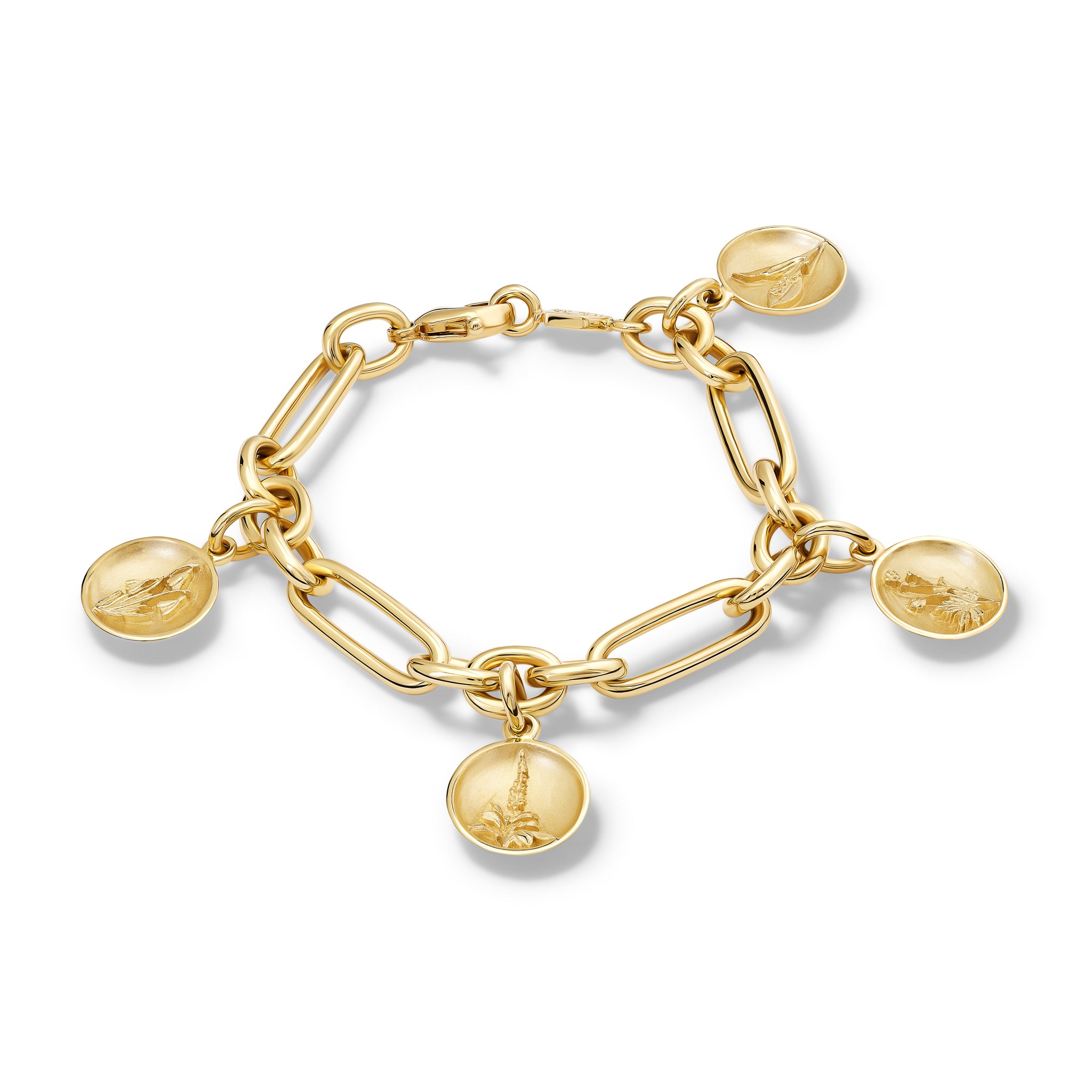
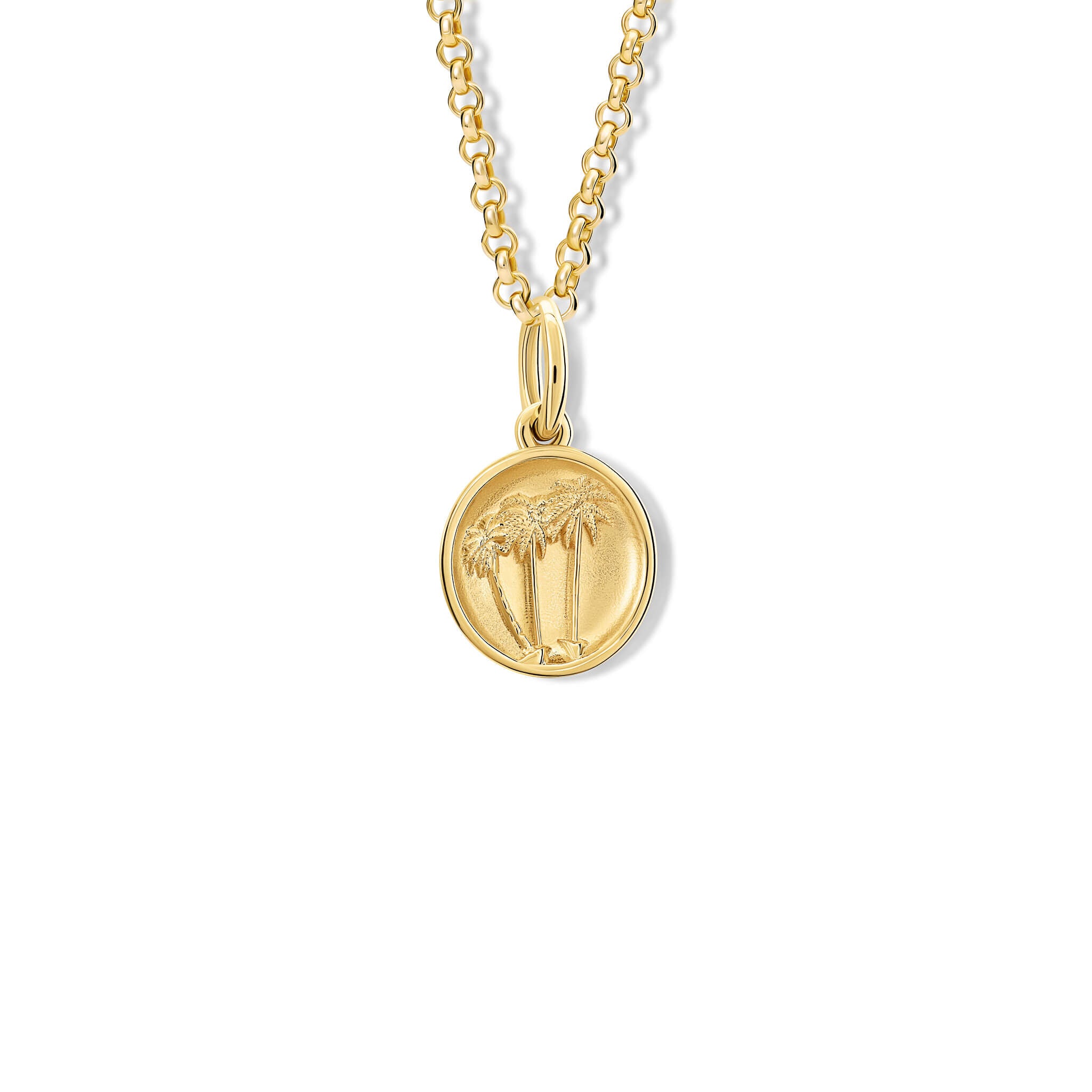
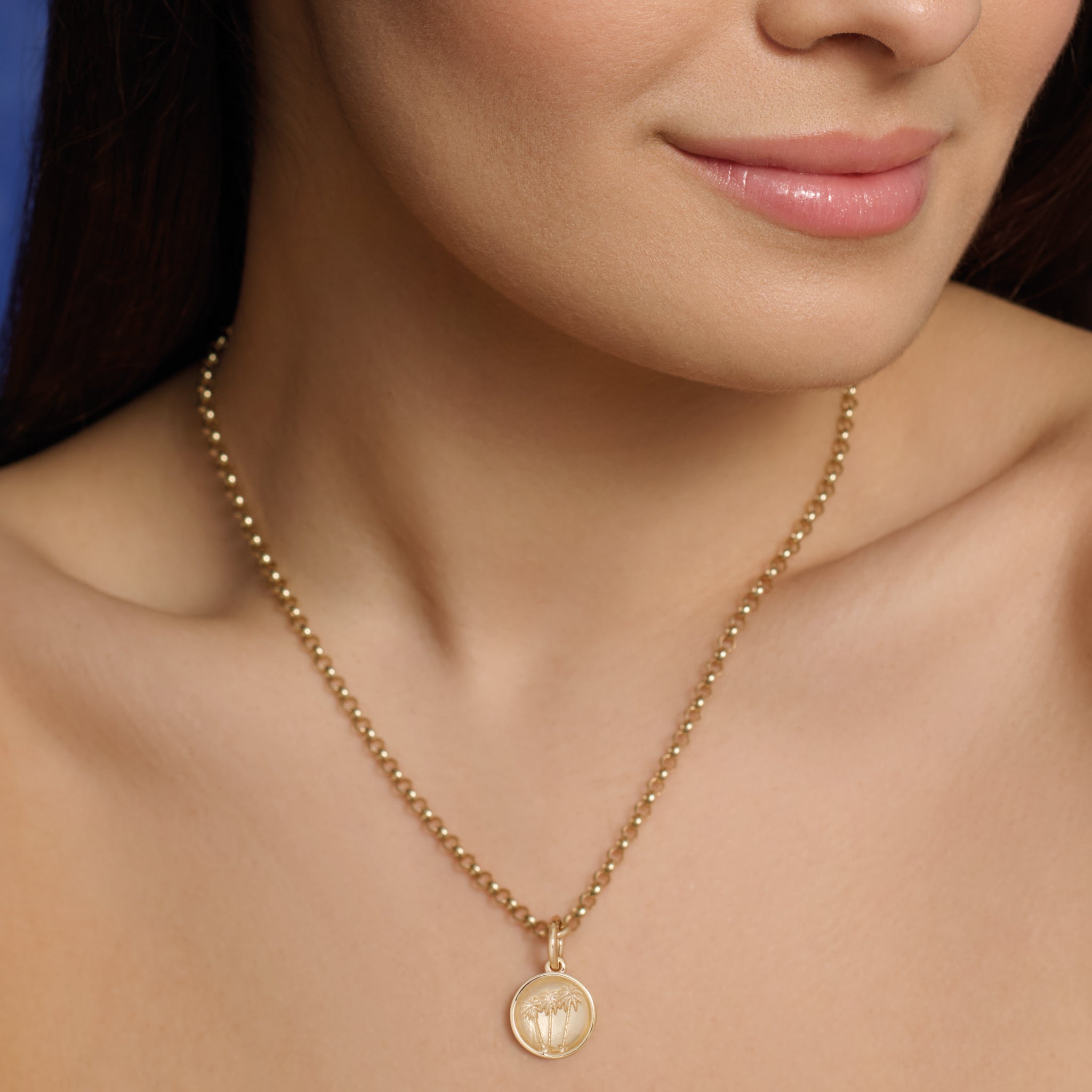
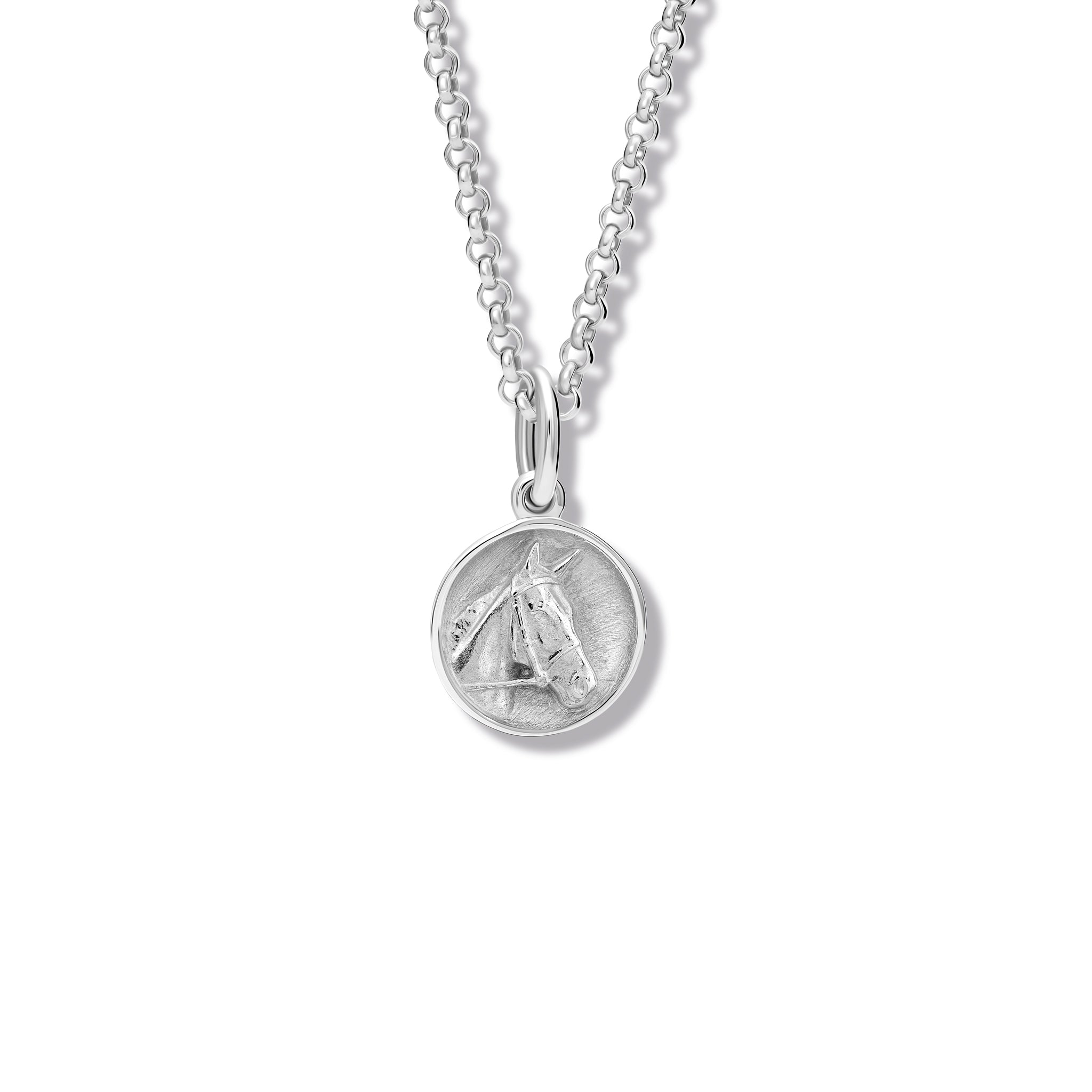
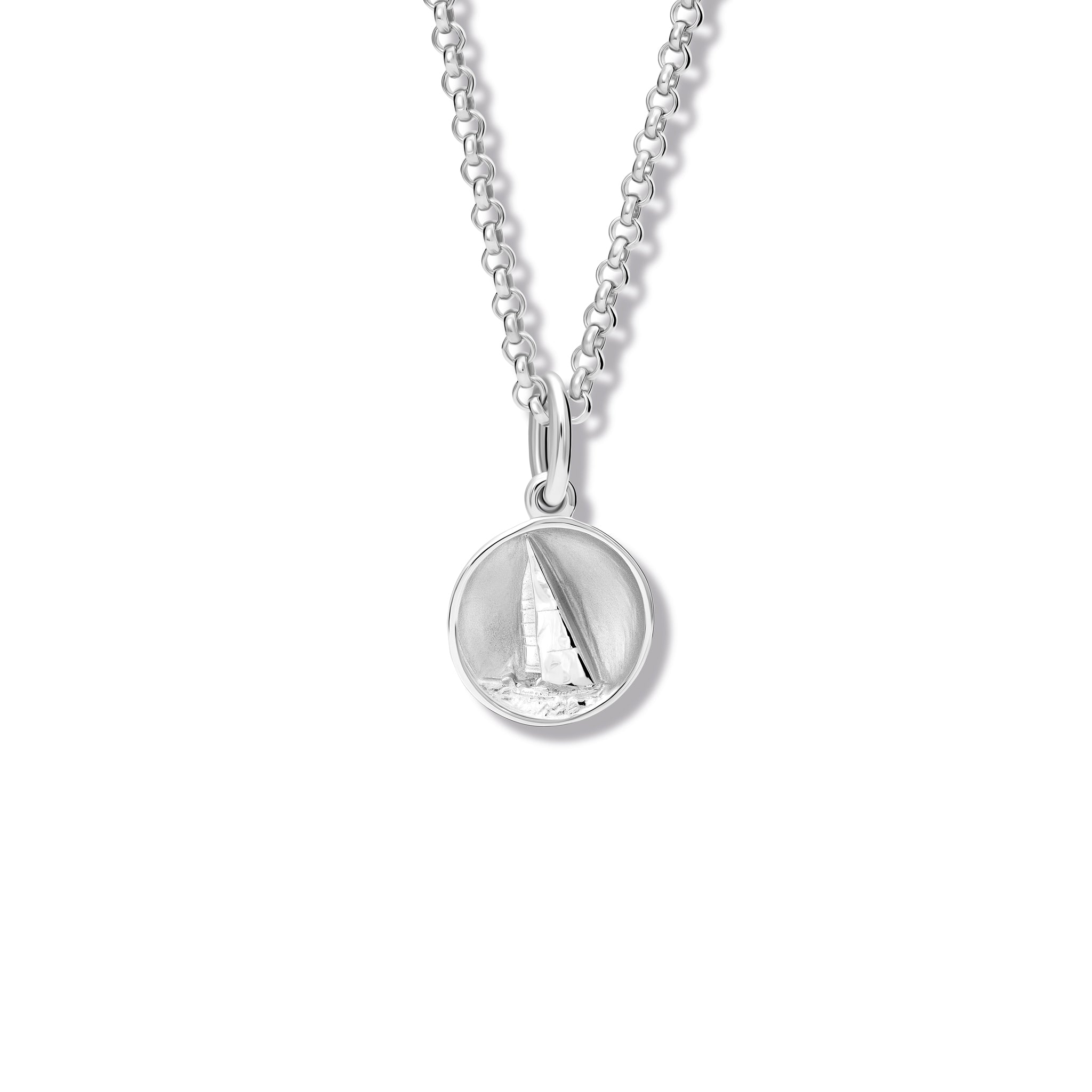
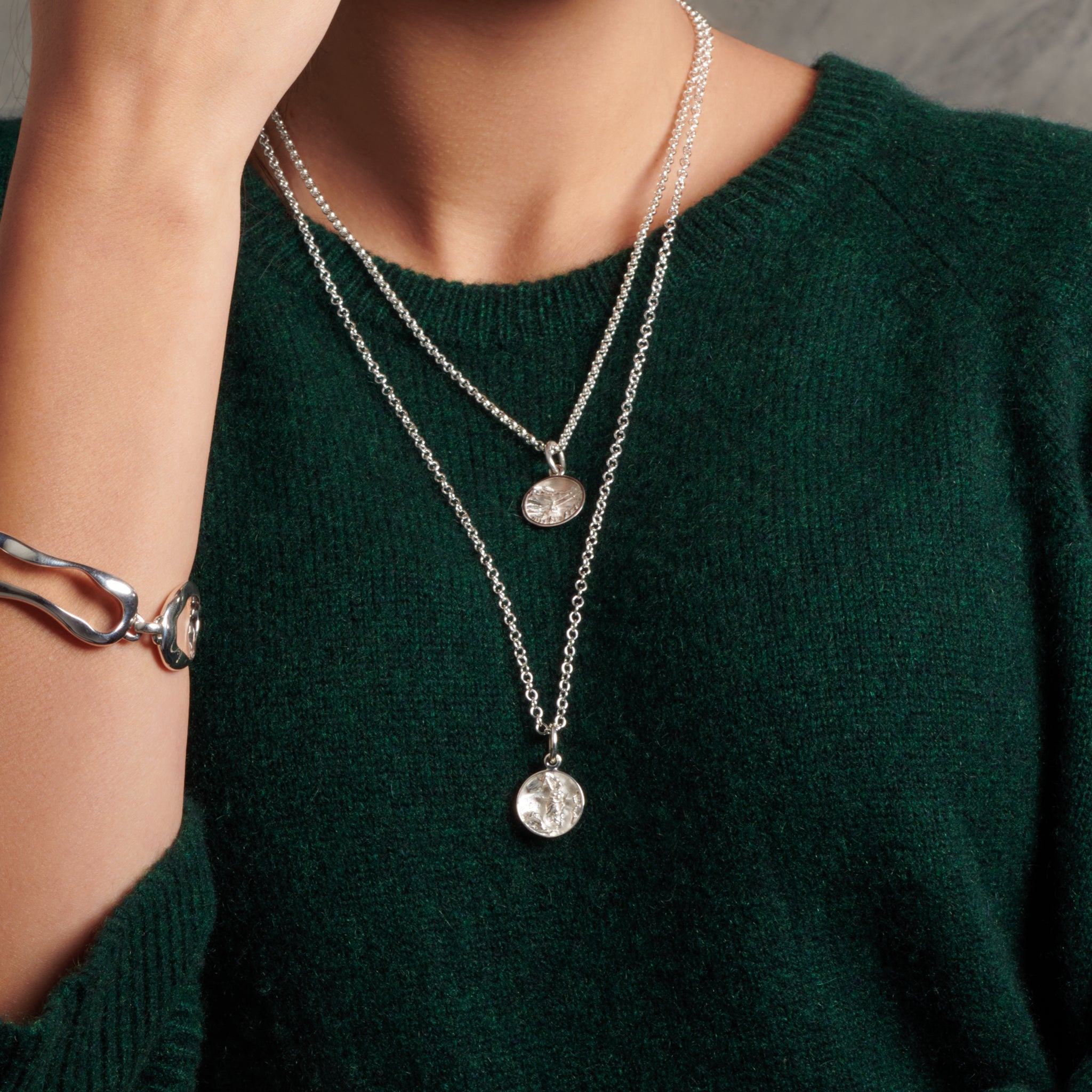
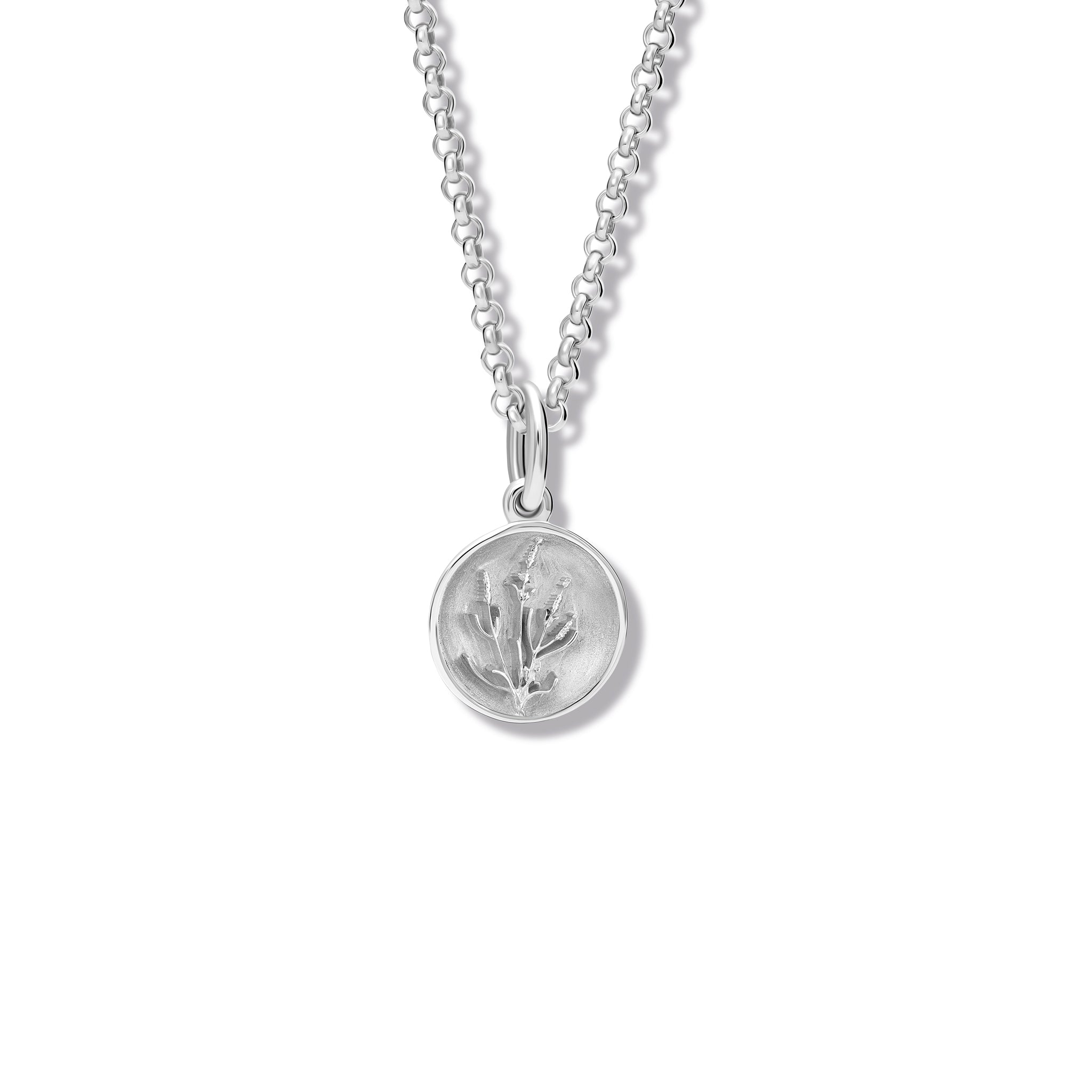
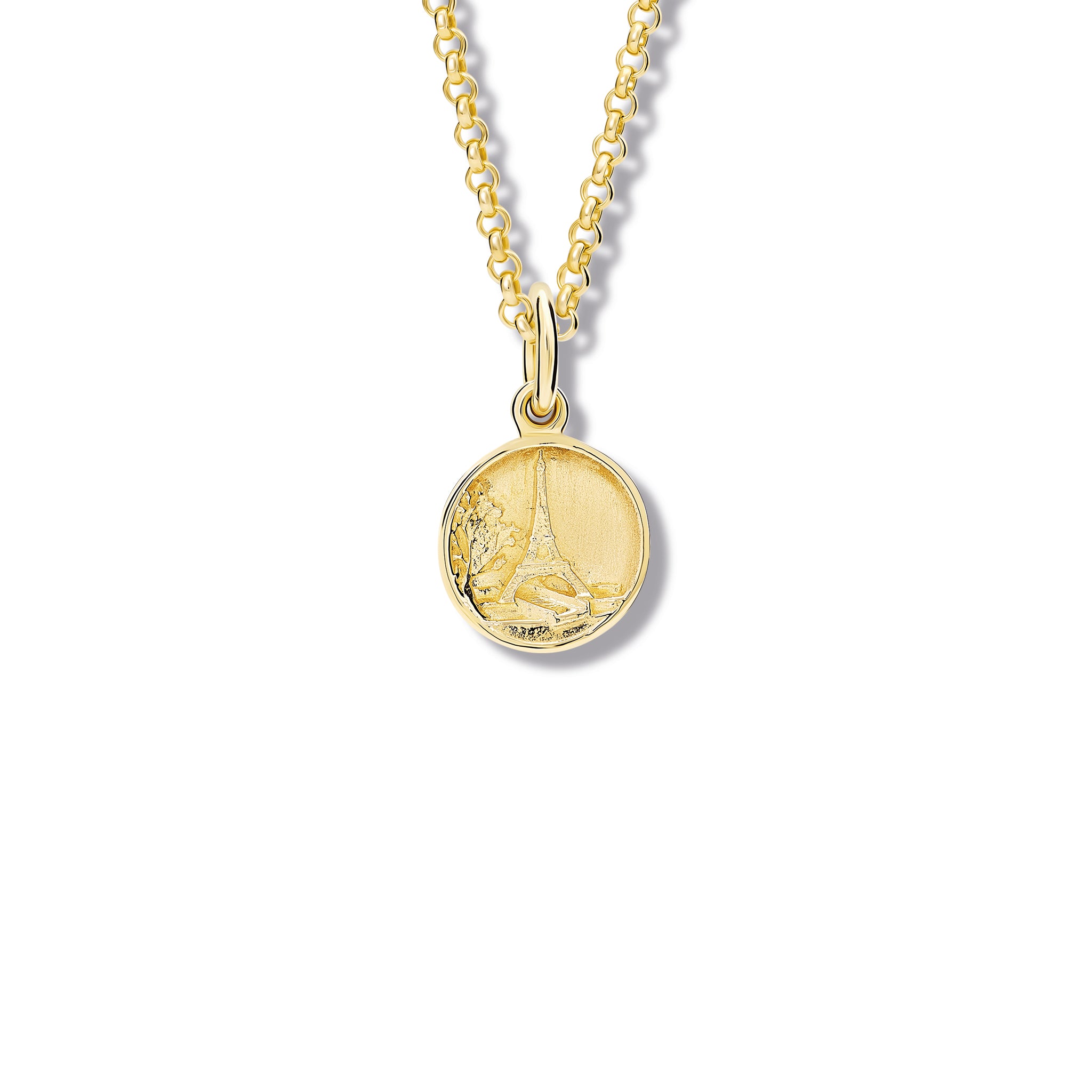
Oftentimes, instead of a simple coin, Greek jewellers offer specially made versions of the flouri. This offers an upgraded version of the tradition for families who want to use a flouri that is more unique and precious. In some cases, the flouri is not a coin at all but a small jewel which the finder can wear throughout the year. Much like Cassandra's Medallion charms, the flouri is more than adornment, it tells stories and carries wishes. The vasilopita reminds us that fortune can be baked, worn, or passed down, but it always finds its way into the heart of tradition.
Cassandra's
Medallion Charms










Read more
The Mystery of the God's Weapon
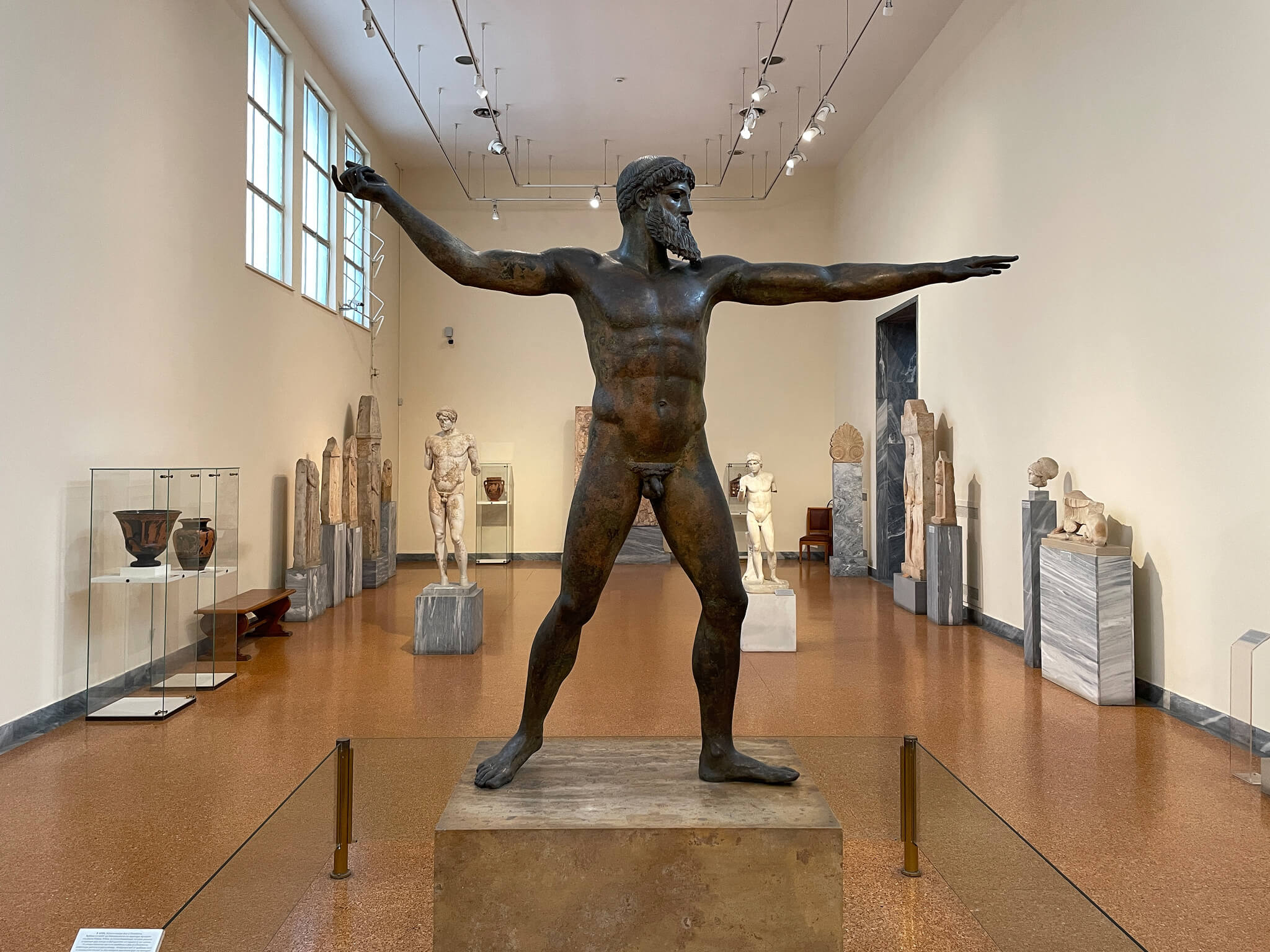
The Artemision Bronze still sparks debate - Zeus or Poseidon? Thunderbolt or trident, the mystery endures, echoing the power and rivalry of the gods.
Read more
Persephone Books: Rediscovering Forgotten Classics
Often, pieces of writing are quietly forgotten, left out of print, considered out of fashion, or simply overlooked. But some still have something vital to say and Persephone Books exists to give t...
Read more