







Written in the Stars: The Mythological Origins of the Zodiac
Long before it was used to mark birthdays or chart personality, the zodiac was a way of understanding the world, a map of stories suspended in the night sky. First charted by Babylonian astronomers, this celestial circle was later shaped by the Ancient Greeks, who named it zodiakos kyklos, the circle of animals. They did more than observe the constellations, they gave them life, anchoring each one to a myth.
The names used today were formalised during the Roman period, yet their essence remains unmistakably Greek. Each sign preserves a story once told beside firelight or carved into temple stone. Together, they form a constellation not only of stars, but of symbolism and imagination.
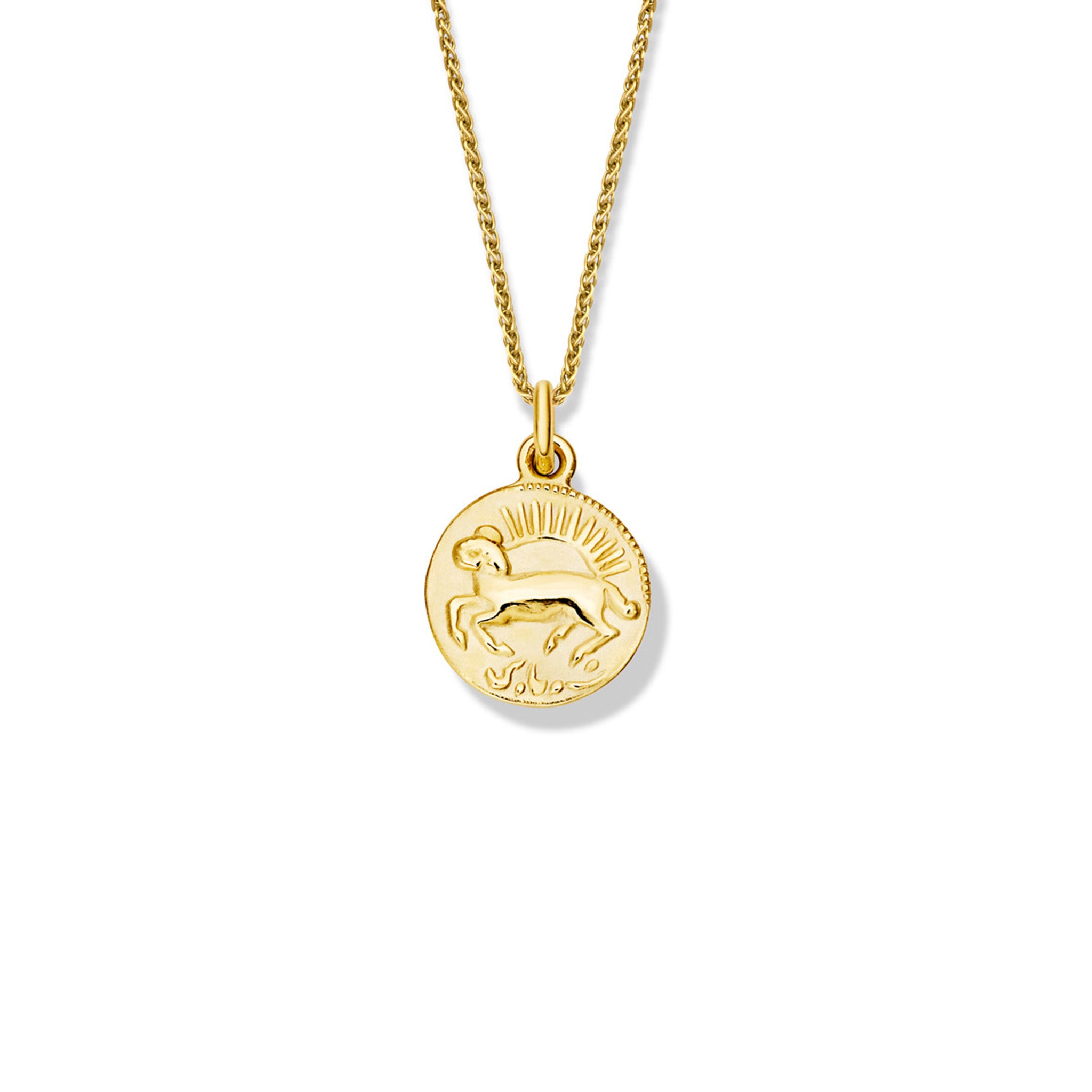
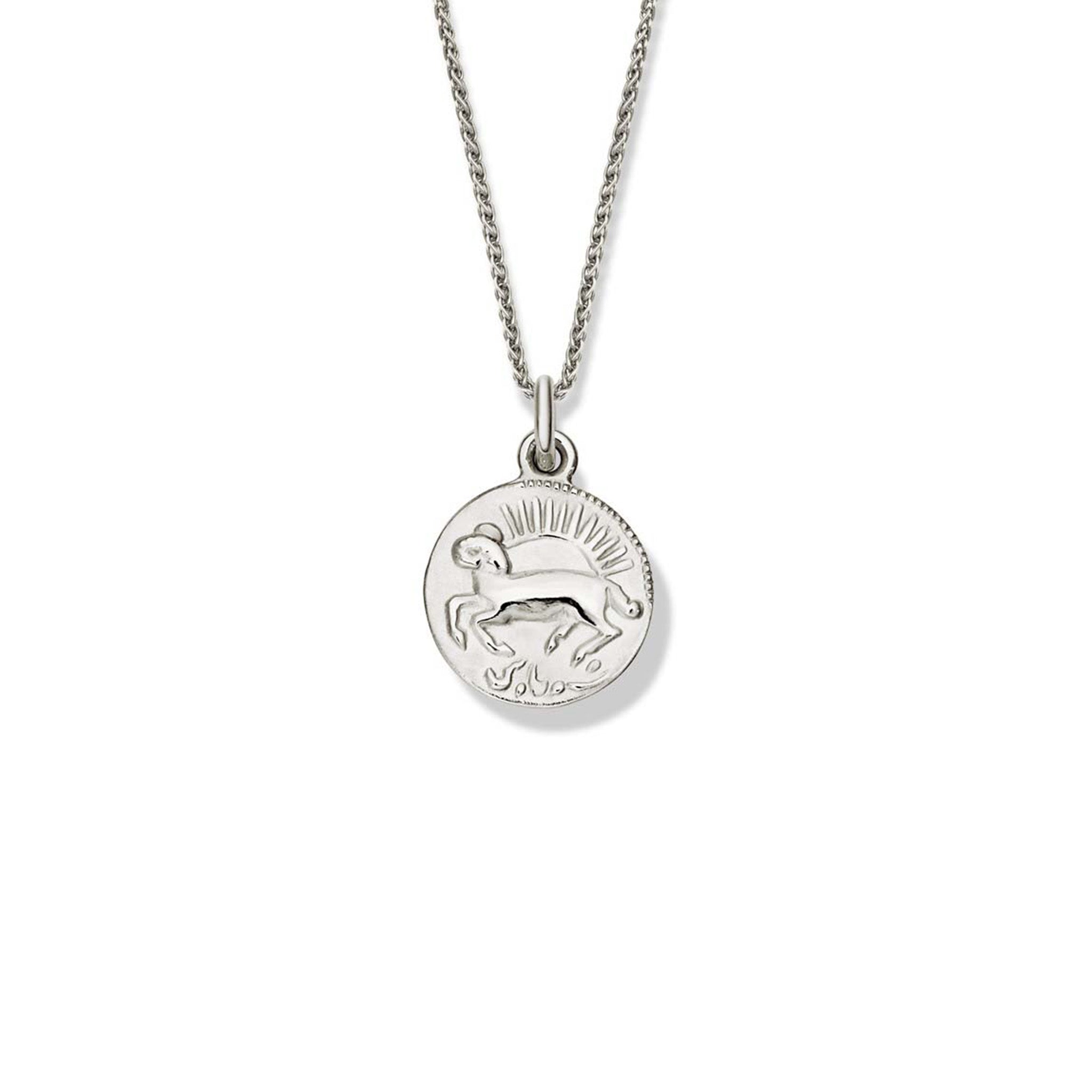
Aries originates with the Golden Ram sent by the cloud nymph Nephele to save her children, Phrixus and Helle, from a deadly betrayal. Its fleece shone like spun sunlight as it carried them across the sea, though only Phrixus survived the journey. In gratitude, he honoured the ram, and Zeus placed it among the stars, while its golden fleece remained on earth, later sought by Jason and the Argonauts. Aries has since come to embody bravery and the willingness to begin without hesitation.
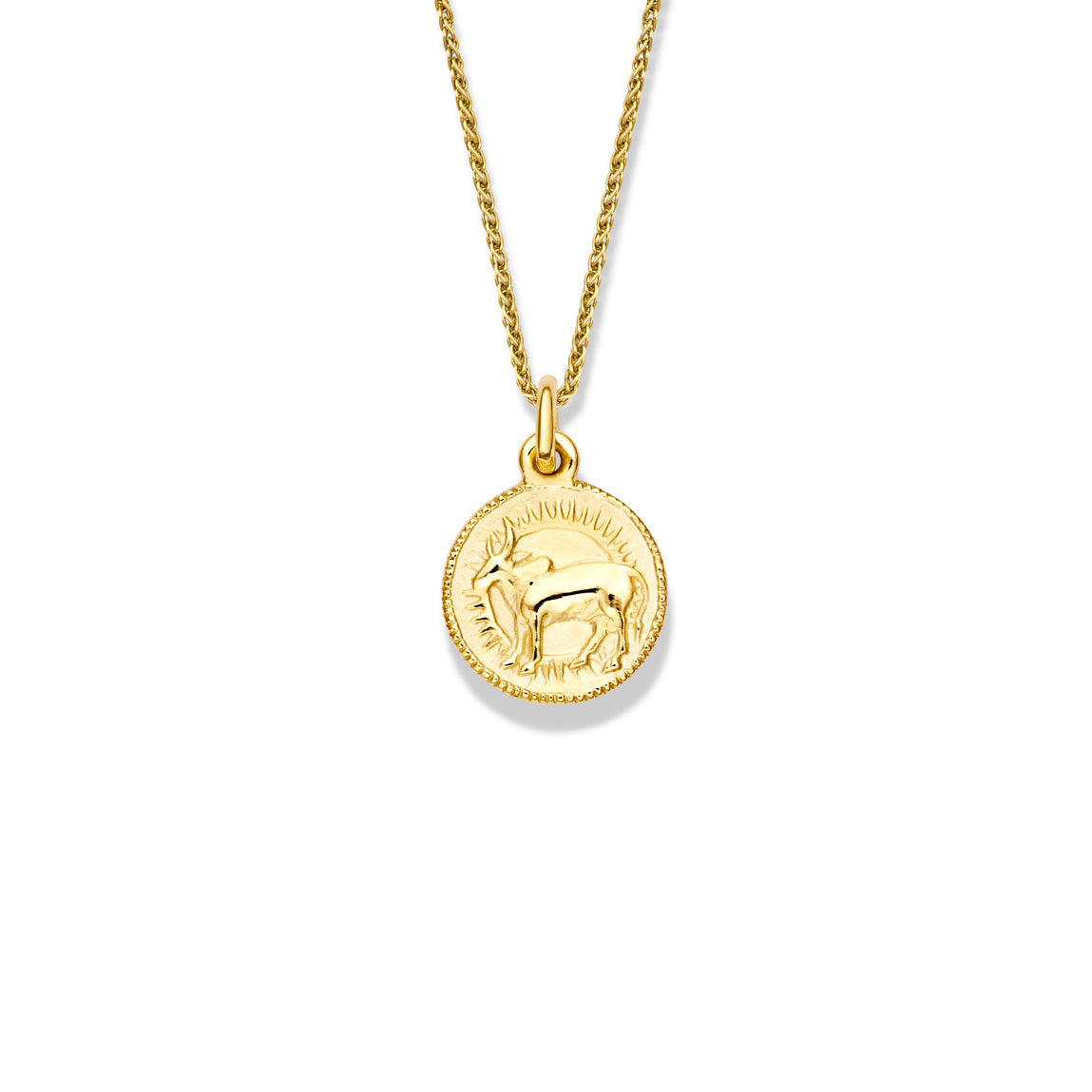
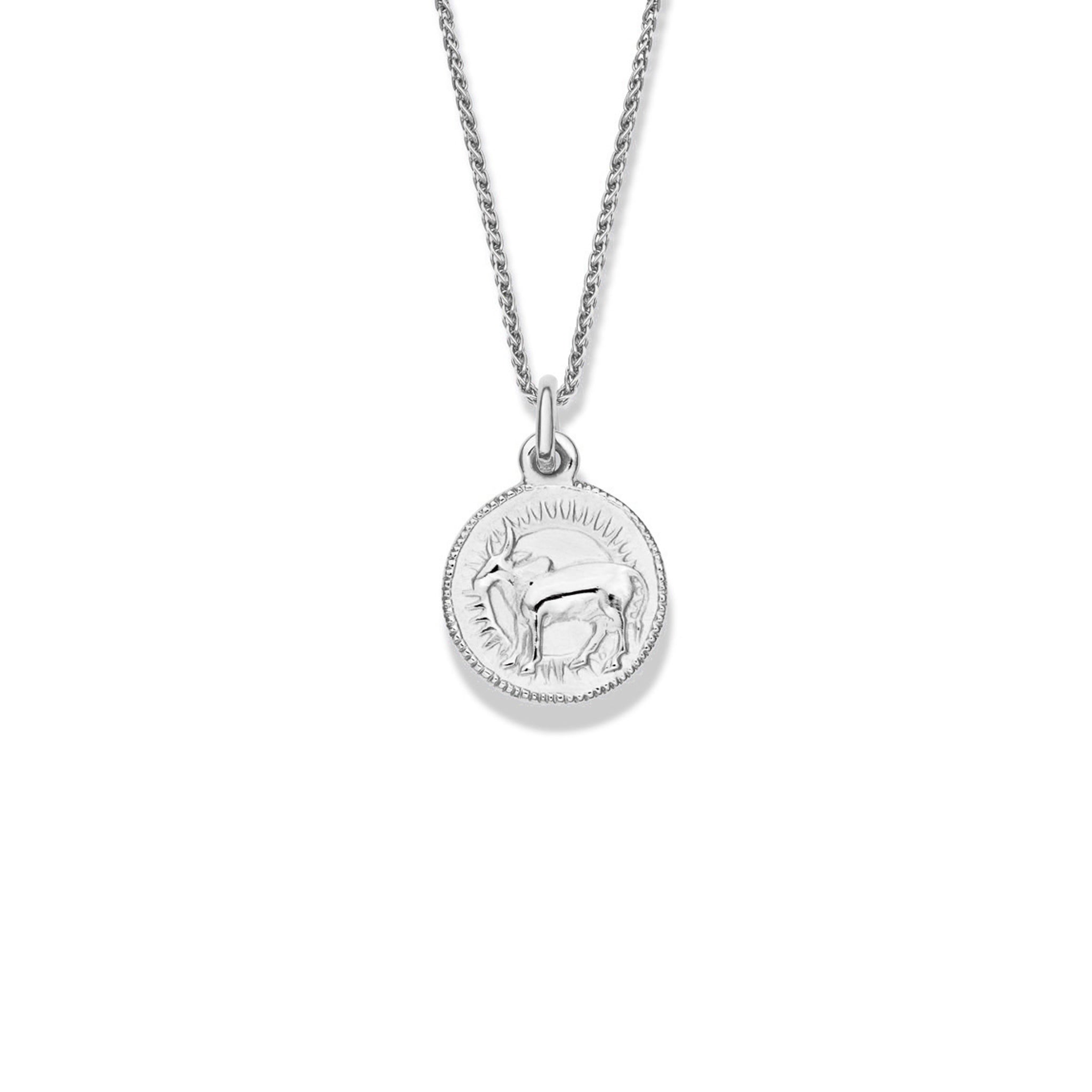
Taurus recalls the moment Zeus transformed himself into a magnificent white bull to approach Europa, a princess gathering flowers by the shore. Gentle and unthreatening, he earned her trust until she climbed onto his back, at which point he carried her across the sea to Crete. The encounter altered the course of her life entirely, and Zeus preserved the form of the bull in the sky. Taurus now reflects a quiet magnetism, groundedness, and an enduring connection to beauty.
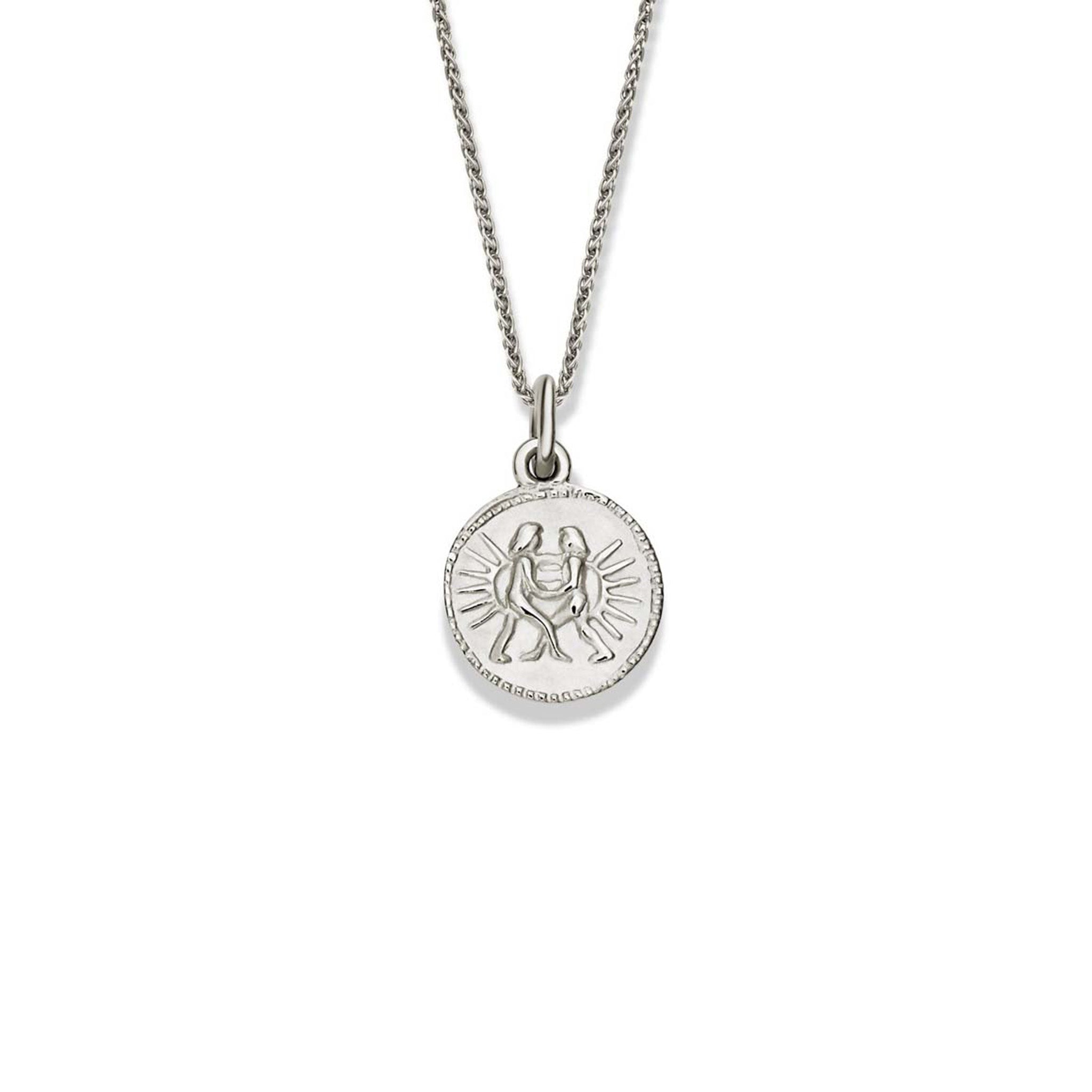
Gemini tells the story of Castor and Pollux, inseparable twins who shared everything, including their fate. When Castor, the mortal brother, was killed, Pollux refused to live forever without him. Zeus granted his wish by placing them both in the heavens, allowing them to remain side by side for eternity. Gemini has come to represent connection and the constant interplay between different sides of the self.
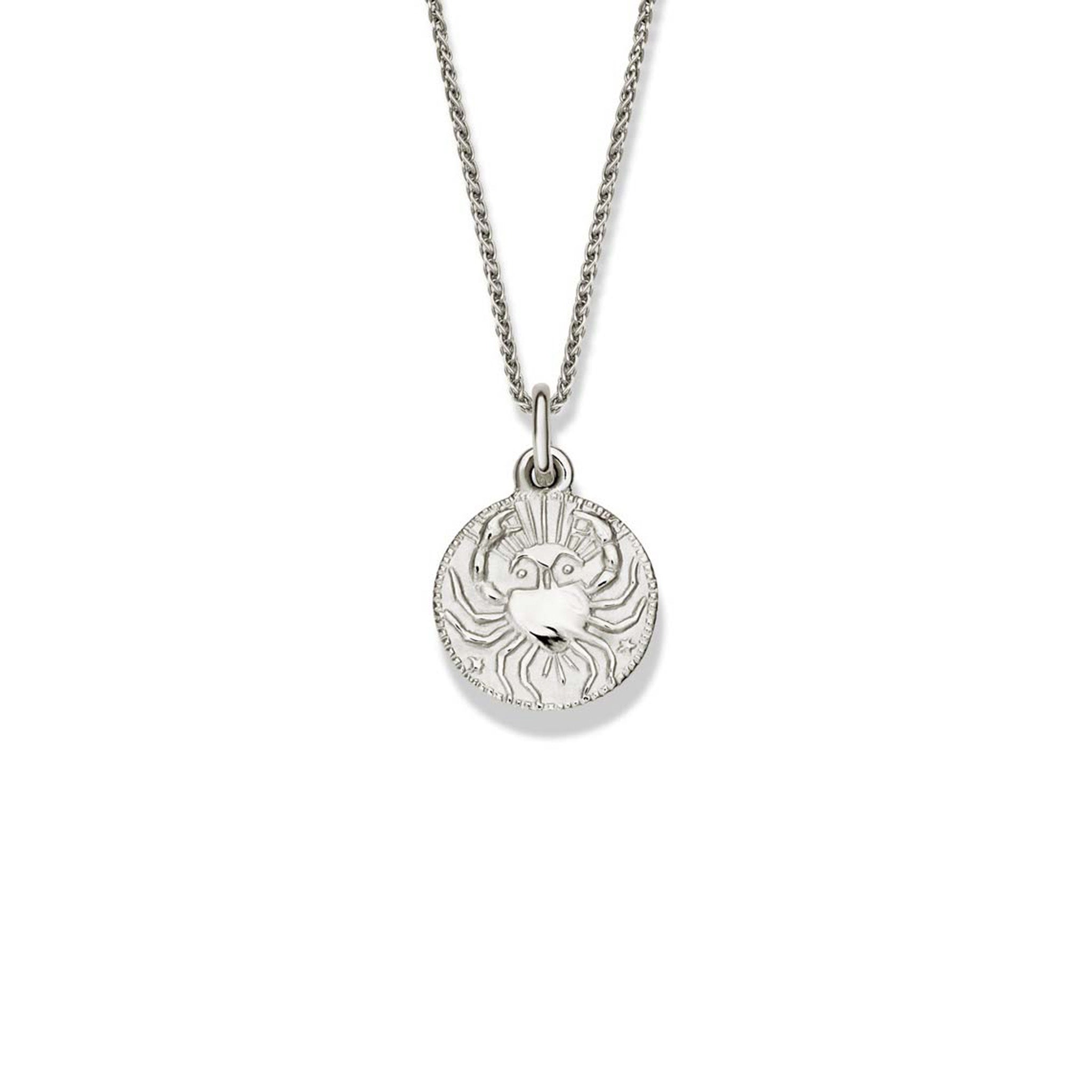
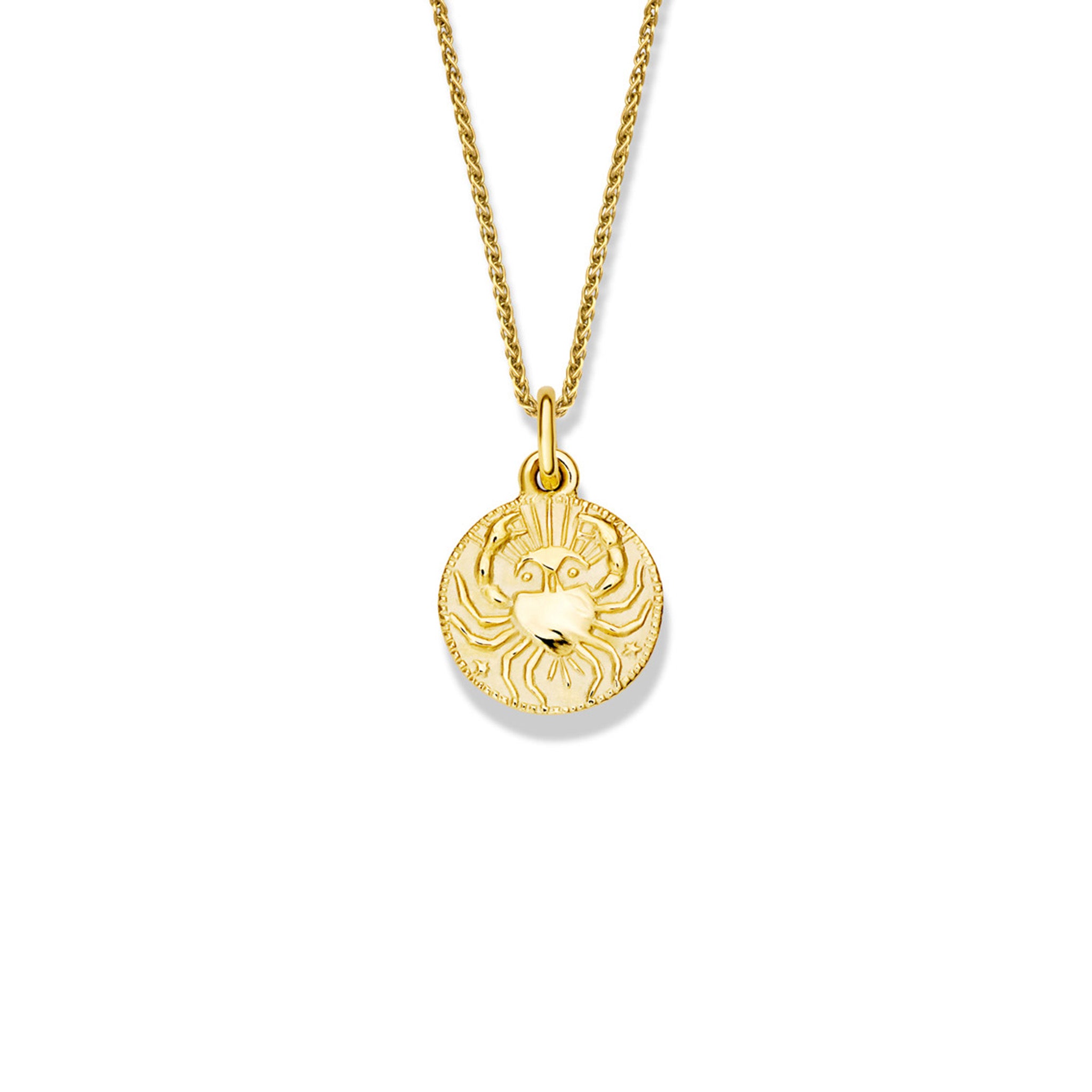
Cancer appears in the myth of Hercules and the Hydra, when Hera sent a crab to interfere with the hero’s progress. Though it stood little chance, the crab acted anyway, emerging from the water to defend what Hera had sent it to protect. After it was crushed, Hera honoured its loyalty by placing it in the sky. Cancer remains closely tied to devotion and emotional depth.
Leo commemorates the Nemean Lion, a creature of immense strength whose golden hide could not be pierced. It terrorised the land until Hercules confronted it, eventually defeating it through sheer endurance. He wore its pelt afterwards, both as protection and as proof of what he had overcome. Its constellation preserves that sense of command, and Leo is now synonymous with presence and unapologetic self-expression.
Virgo is associated with Astraea, the goddess who lived among humans during a time of peace and balance. As the world grew more unjust, she withdrew, unwilling to remain among the disorder. Her departure marked the end of that age, and she was placed among the stars as a lasting trace of what once was. Virgo has since been linked to discernment, refinement, and a deep attentiveness to detail.
Libra represents the scales carried by Astraea, used to measure fairness and truth. Suspended in perfect equilibrium, they were placed in the heavens as a reminder of the fragile balance between opposing forces. Unlike the other signs, Libra is not a creature but an object, defined entirely by its function. It has come to reflect balance and harmony.
Scorpius emerges from the story of Orion, the hunter whose confidence grew into arrogance. In response, a scorpion was sent to stop him, striking from the earth and bringing him down. Both were placed in the sky, positioned so that as one rises, the other disappears, preserving their distance forever. Scorpius carries a sense of intensity, emotional power, and quiet resilience.
Sagittarius is most often linked to Chiron, the centaur known for his wisdom and compassion. He taught many of Greece’s greatest heroes, offering knowledge of healing, music, and philosophy. After being wounded and enduring great suffering, he was honoured by Zeus and placed among the stars, bow in hand. Sagittarius has since become associated with exploration and independence.
Capricorn recalls the god Pan as he fled from the monster Typhon, leaping into the river and transforming mid-motion into a half-goat, half-fish creature. His form captured both land and sea, survival and adaptation in a single moment. This unusual figure was later placed in the heavens. Capricorn is now closely tied to endurance, self-discipline, and steady progress over time.
Aquarius represents Ganymede, a young prince carried to Olympus by Zeus, who had taken the form of an eagle. There, he became cupbearer to the gods, entrusted with pouring nectar that sustained them. His constellation reflects this act of pouring, suspended in repetition. Aquarius has come to symbolise generosity and the sharing of ideas.
Pisces recalls Aphrodite and Eros as they fled from danger, transforming themselves into fish and diving beneath the water. To avoid losing one another in the dark currents, they tied themselves together before disappearing from sight. Their constellation preserves that quiet moment of escape. Pisces is now associated with sensitivity, intuition, and an instinctive emotional awareness.
Disover all
Zodiacs









Read more

The Anemone: Daughter of the Wind
Born from Greek myth and mountain breezes, Cassandra’s Anemone design captures the flower’s fleeting grace - an ode to nature and timeless beauty.
Read more
Discover the Greek myth that led to Persephone becoming the Goddess of Spring.
Read more