




Greek Easter Traditions
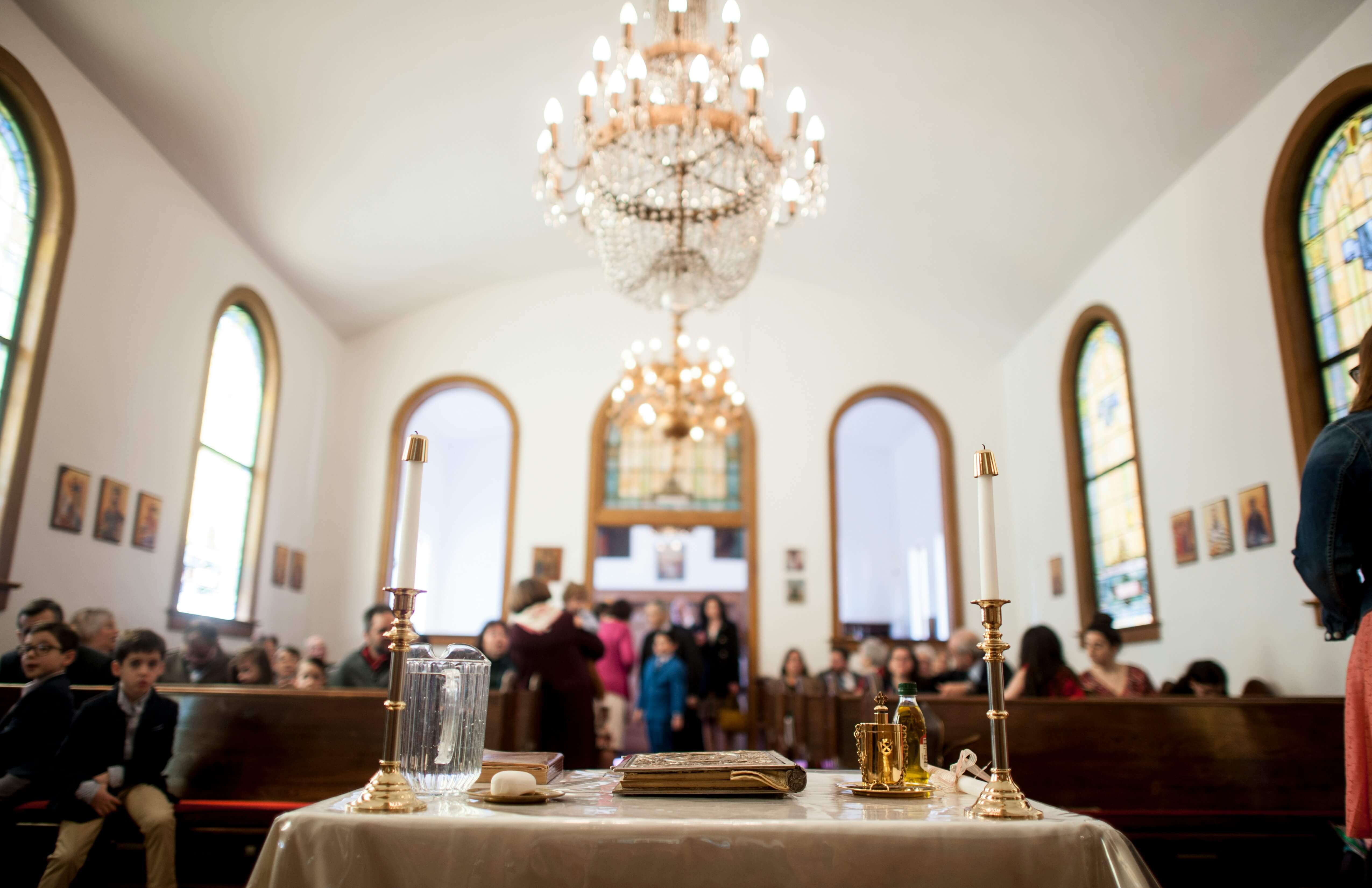
Greek Easter is a celebration that weaves together faith, tradition, and communal joy in a way unlike anywhere else. Far beyond chocolate eggs and bunnies, it is a deeply symbolic festival, usually held in April, when spring is in full bloom. Central to the holiday are red-dyed eggs (kokkina avga), representing the blood of Christ; tsoureki, a sweet, braided bread symbolising the Holy Trinity; candlelit processions through villages and city streets; and the roasting of lamb, a symbol of sacrifice and renewal.
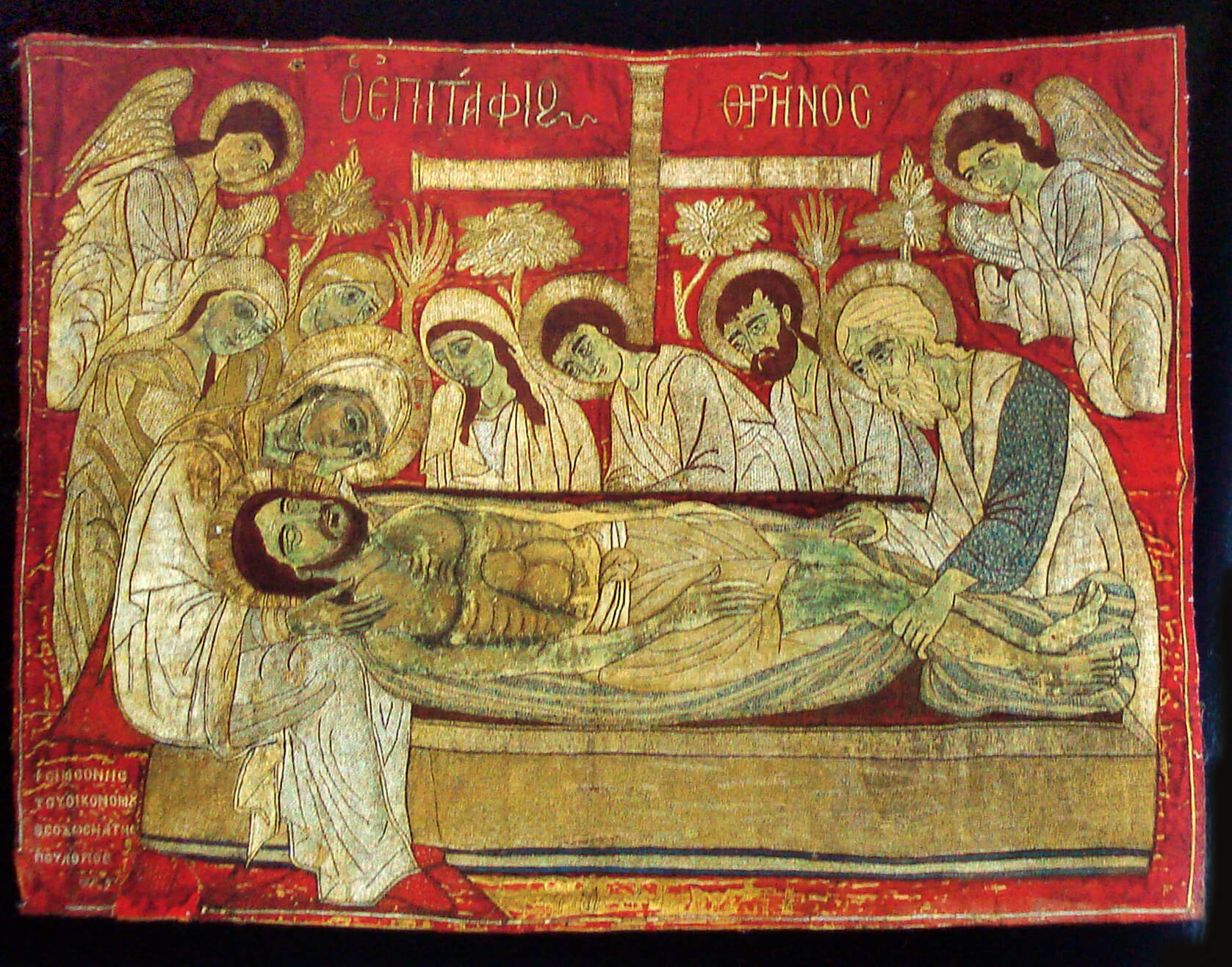
The week leading up to Easter, known as Holy Week, is a time of reflection and ritual. Daily church services recount the trials of Christ, and on Good Friday, communities carry the Epitáphios, a wooden coffin representing Christ’s tomb, adorned with flowers and incense. The solemn processions, illuminated by the flicker of candles, create a shared sense of reverence, binding towns and villages together.
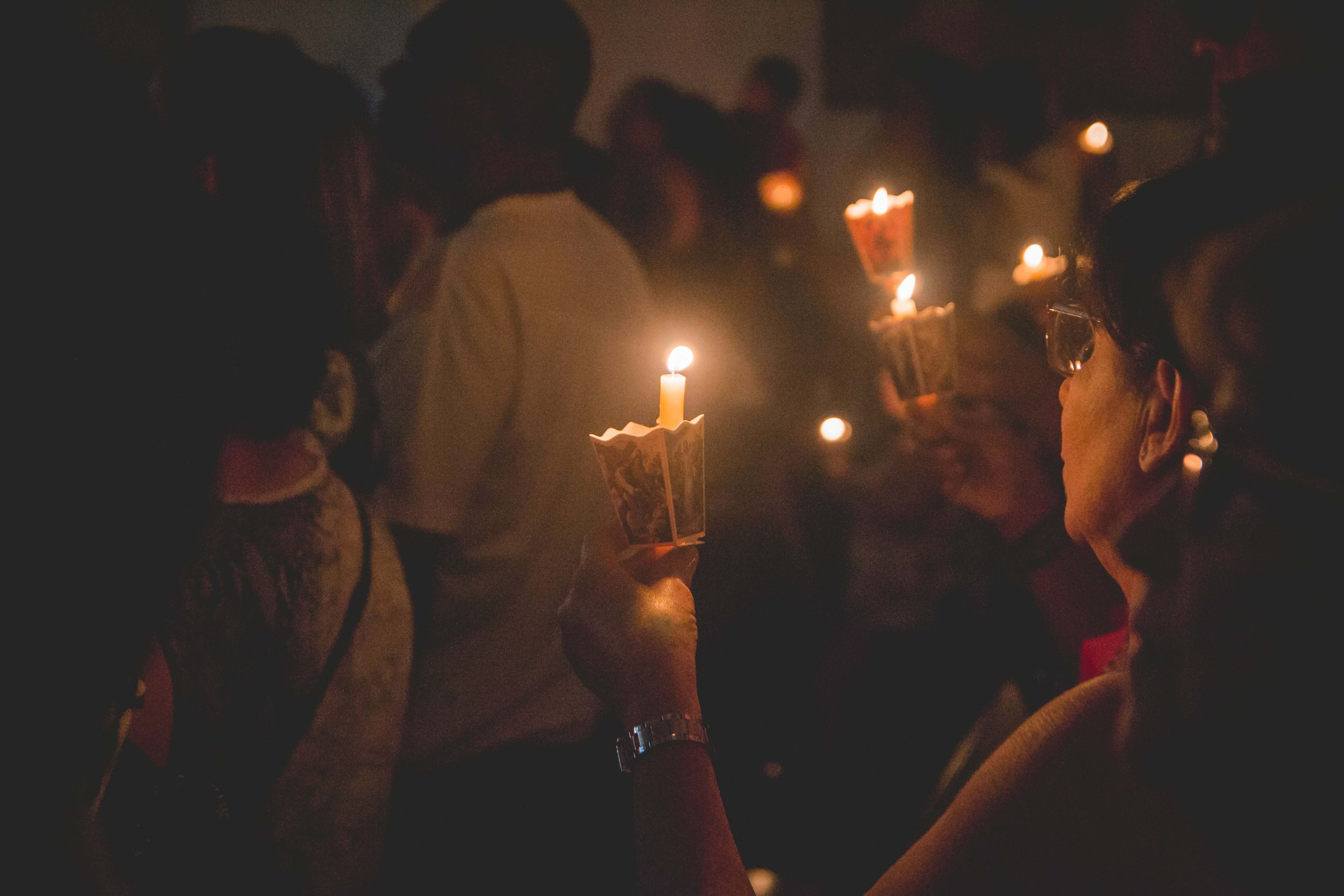
Holy Saturday night marks the Resurrection. At midnight, thousands gather in churchyards, each holding a lambáda, an Easter candle, to receive the holy flame. Voices rise in the joyful call of “Christos Anesti!” (Christ is risen), answered by “Alithos Anesti!” (Truly He is risen), while fireworks and bells add to the luminous spectacle. Families then return home to break the Lenten fast, sharing lamb soup, fresh greens, bread, and the playful tradition of tsougrisma, which is when they crack the red eggs.
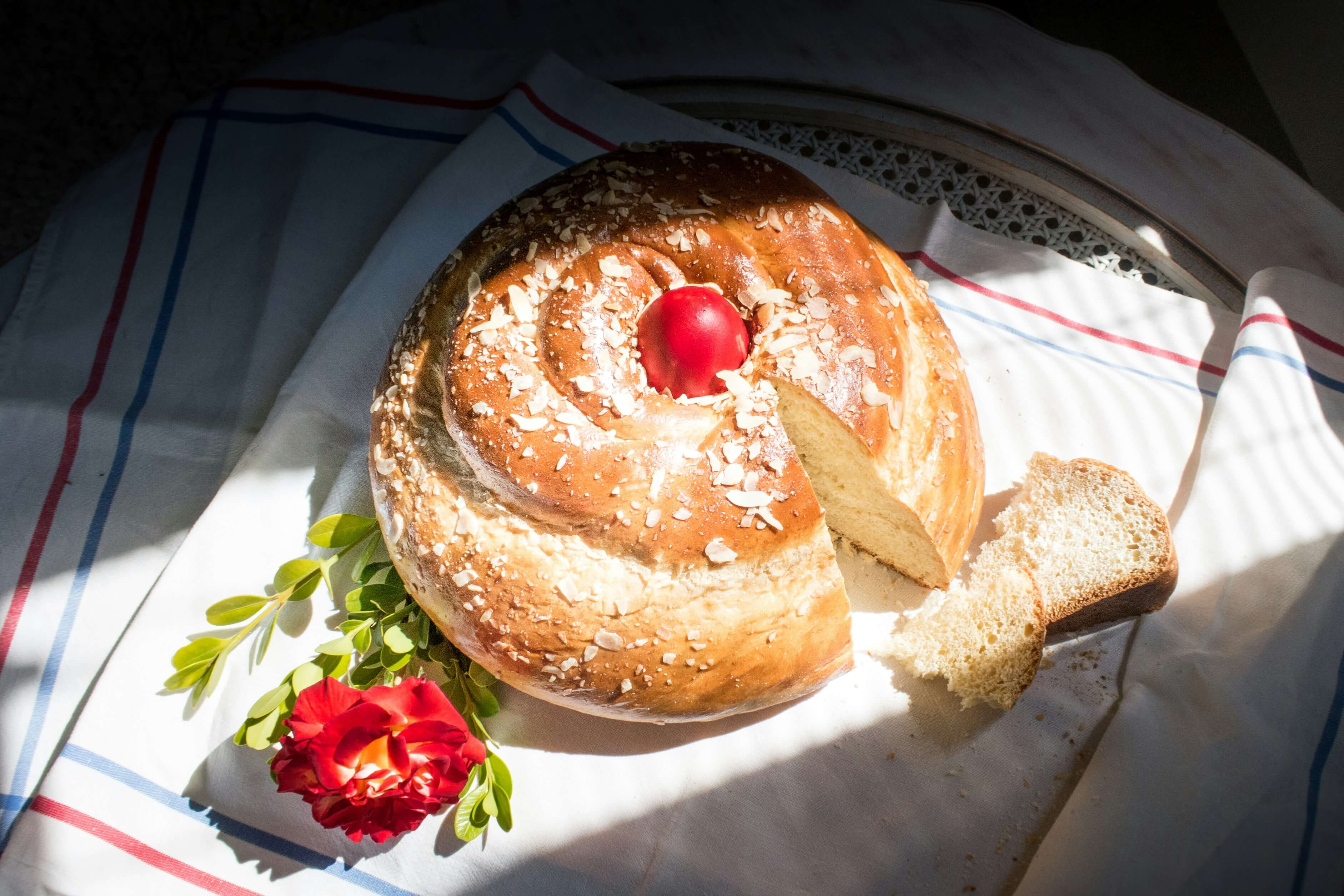
Easter Sunday is a day of feasting and celebration. Courtyards, terraces, and dining tables overflow with roasted lamb, kokoretsi and magiritsa (seasoned lamb intestines), tsoureki, cheeses, salads, and wine. Music fills the air, footsteps lift in traditional dances, and long afternoons are spent in laughter and togetherness.
Read more

Secrets of Pompeii Surface at Last
New Pompeii discoveries: from a pizza-like dish to a Greek fresco of Cassandra and Apollo, vivid traces of myth and daily life rise from the ashes.
Read more