



White Lies: The Polychromy of ancient Greek sculptures
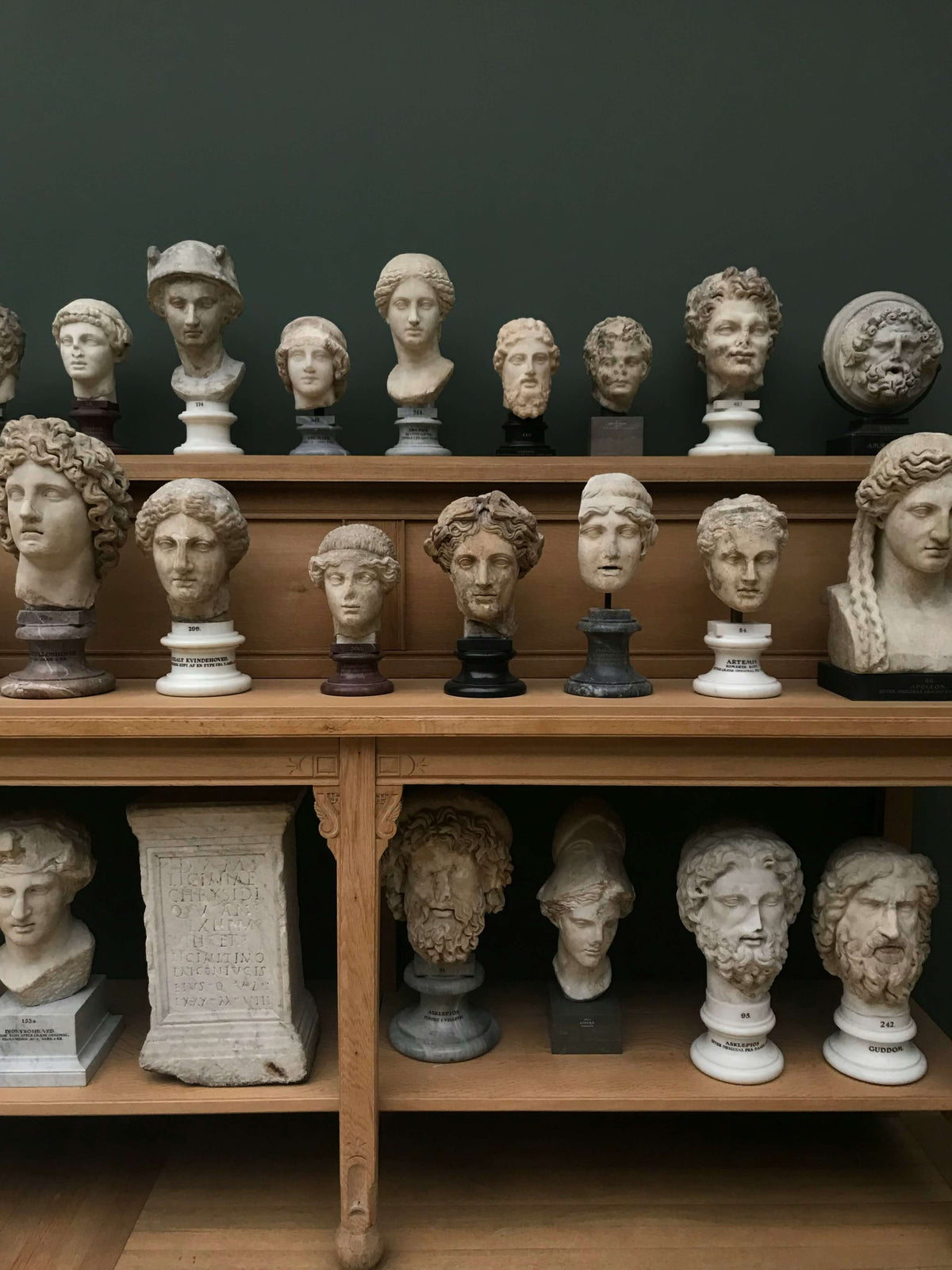
Some are surprised to learn that the white marble statues of ancient Greece were never meant to be white at all. Greek sculptures were once polychrome, meaning, they were richly painted, adorned in vivid reds, deep blues and golden yellows, with lifelike eyes and warm-toned skin.
It is difficult to walk through a museum and not feel the quiet power of these marble figures. The poised bodies, the flowing garments, and, above all, the whiteness. Marble has come to suggest ideals: beauty, balance, and the perfection of artistic craftsmanship. However, this image, serene, silent and stripped of colour, was never the intention of their makers.
We now know that, in antiquity, these statues were painted. Robes in crimson or ochre, eyes outlined in black or rendered in gleaming lapis, and skin shaded in soft tones to suggest warmth and movement. These were not distant icons, but vivid presences: gods, mortals and heroes alive in pigment.
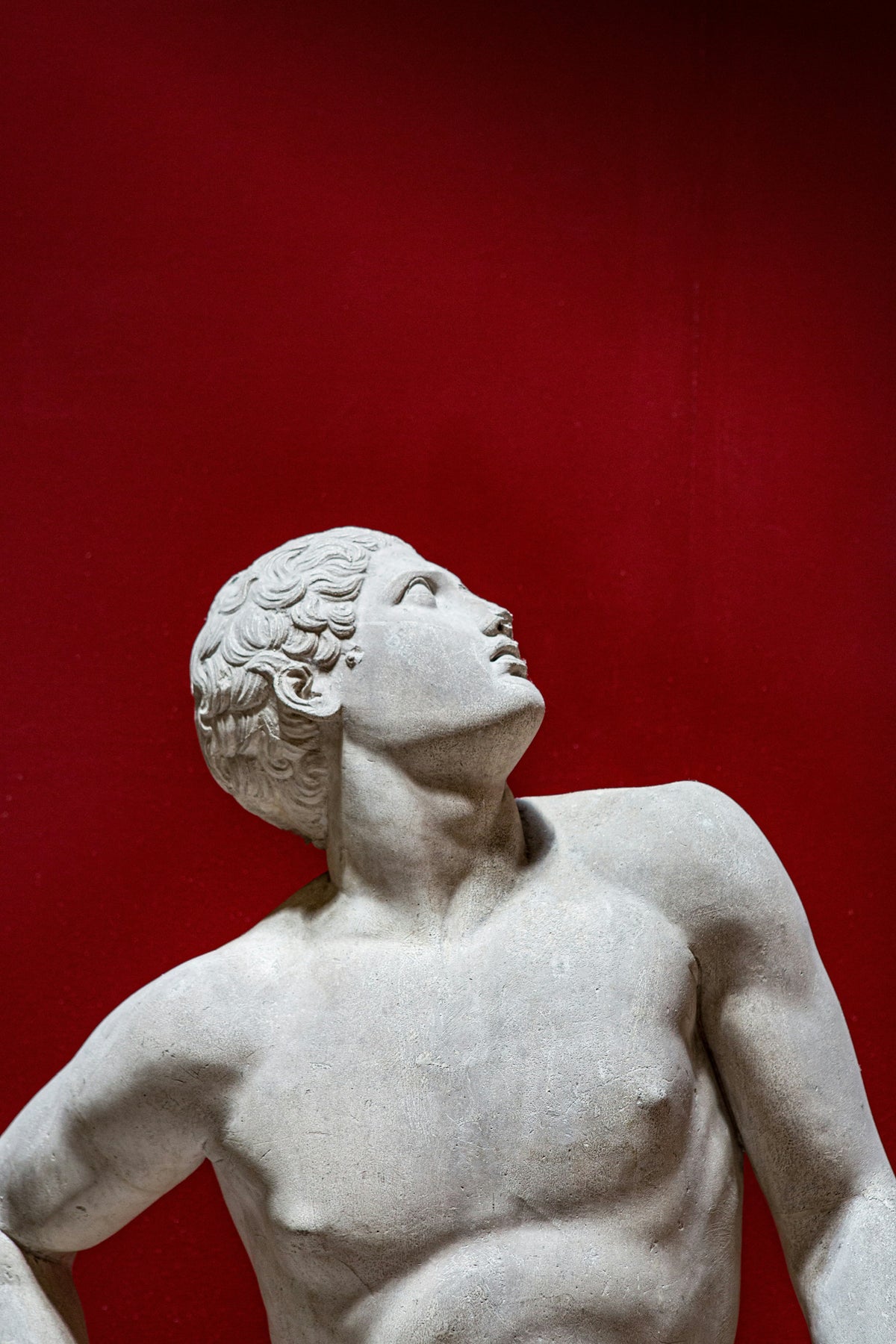
Still, the myth of white marble endures. During the Renaissance, weathered Roman copies of earlier Greek sculptures were unearthed and admired for their pale, worn surfaces. Their faded appearance was mistaken for intentional purity. Over time, white marble came to represent not only artistic excellence, but a kind of moral perfection. It became the standard against which beauty was measured.
Rachel Cusk, in her thoughtful and incisive Marble: A Metamorphosis, invites us to reflect on what this obsession with whiteness reveals. She writes :
'The whiteness of marble is enshrined: the pale forms radiate what seems to be purity — the purity of a past so deep and distant it has shed the colours and textures of living, has shed its links with the now. They are like solid ghosts, these statues of men and women and gods and animals. Silent though they are, they appear to speak. Yet their message is too cryptic: perhaps it is the case that, their meaning having been fundamentally lost to us, we read into them what we want to read.'
On a visit to the Museum of Cycladic Art in Athens, Cassandra observed subtle traces of this forgotten colour. Among its collection, some of the earliest marble figurines, dating to the third millennium BCE, still carry faint remnants of pigment on the face, arms and hair. The reintroduction of colour into our understanding of ancient sculpture can feel disruptive, even uncomfortable. But perhaps that discomfort is necessary. It prompts us to question the ideals we have inherited and to reconsider what we have been taught to admire. It asks us to look again, and to recognise that what we call classical perfection was, in its own time, something far more vivid, expressive and human.
Blog posts
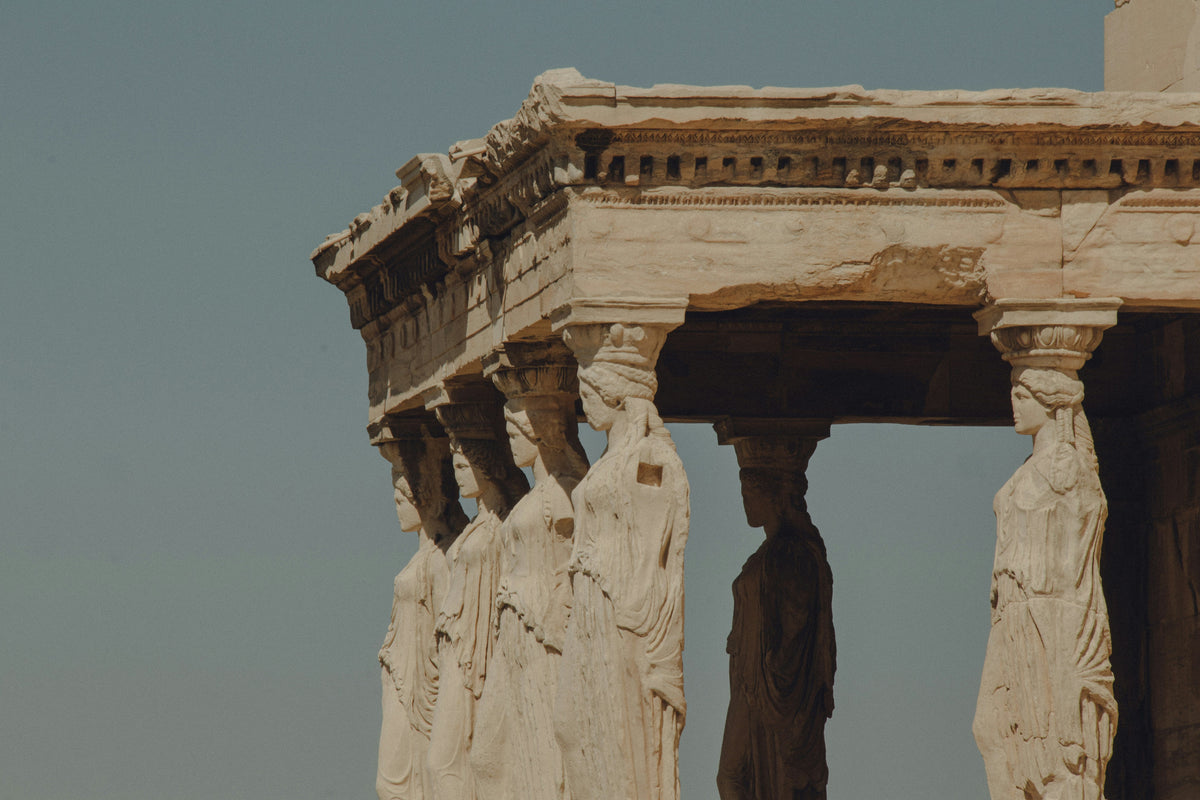
Whites Lies: The Polychromy of Ancient Greek sculptures
Ancient Greek sculptures were never meant to be white at all, and were once polychrome, adorned in vivid reds, deep blues and golden yellows.
Read more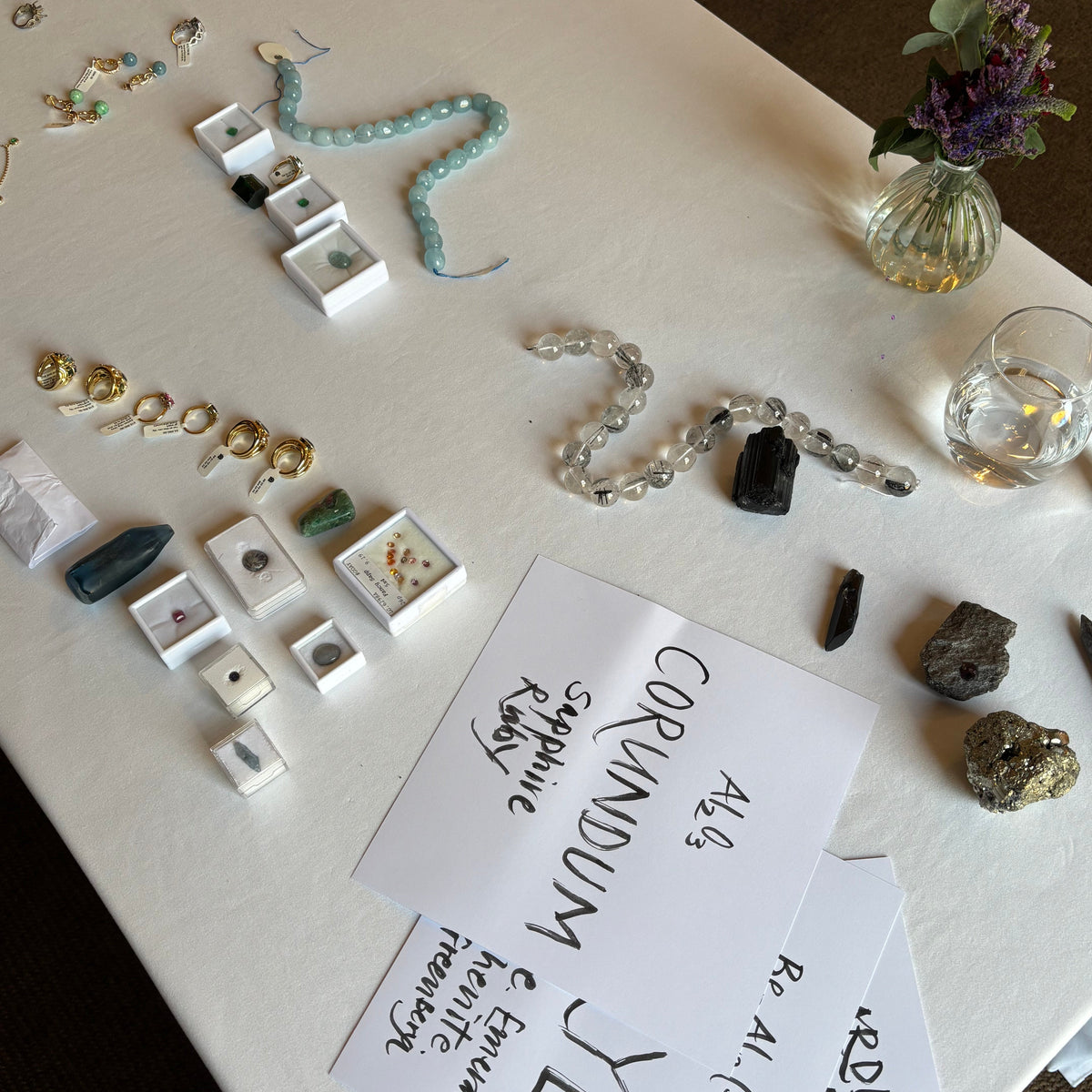
Inn Good Company: Cassandra at The Surprise
Step inside an intimate evening with Cassandra as she invited guests to look closer at the extraordinary world of emeralds and sapphires, revealing the science, stories and craftsmanship behind the...
Read more