





Stones That Speak Greek
Many gemstones we know today carry names that trace back to ancient Greece. More than just beautiful objects, these stones were once believed to hold powerful meanings of protection, truth and transformation. Their Greek names remind us that history lives not only in book and ruins, but in the jewellery we wear and the words we speak.
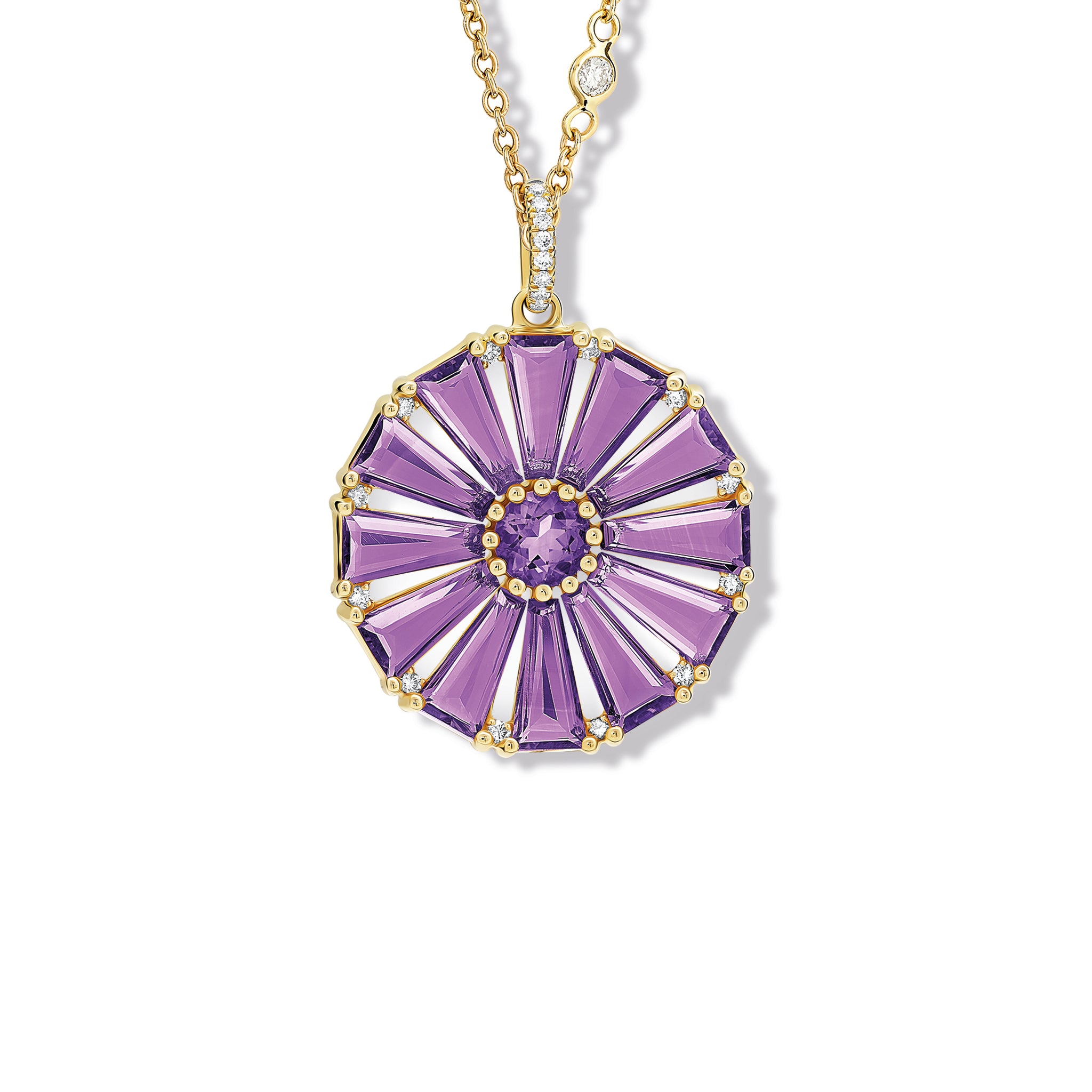
Amethyst
From the Greek word amethystos (not drunken), amethyst was believed to protect against drunkenness. Ancient Greeks would carve drinking vessels from the stone, trusting in its power to keep the mind clear. Its deep violet also symbolises calm and clarity.
DISCOVER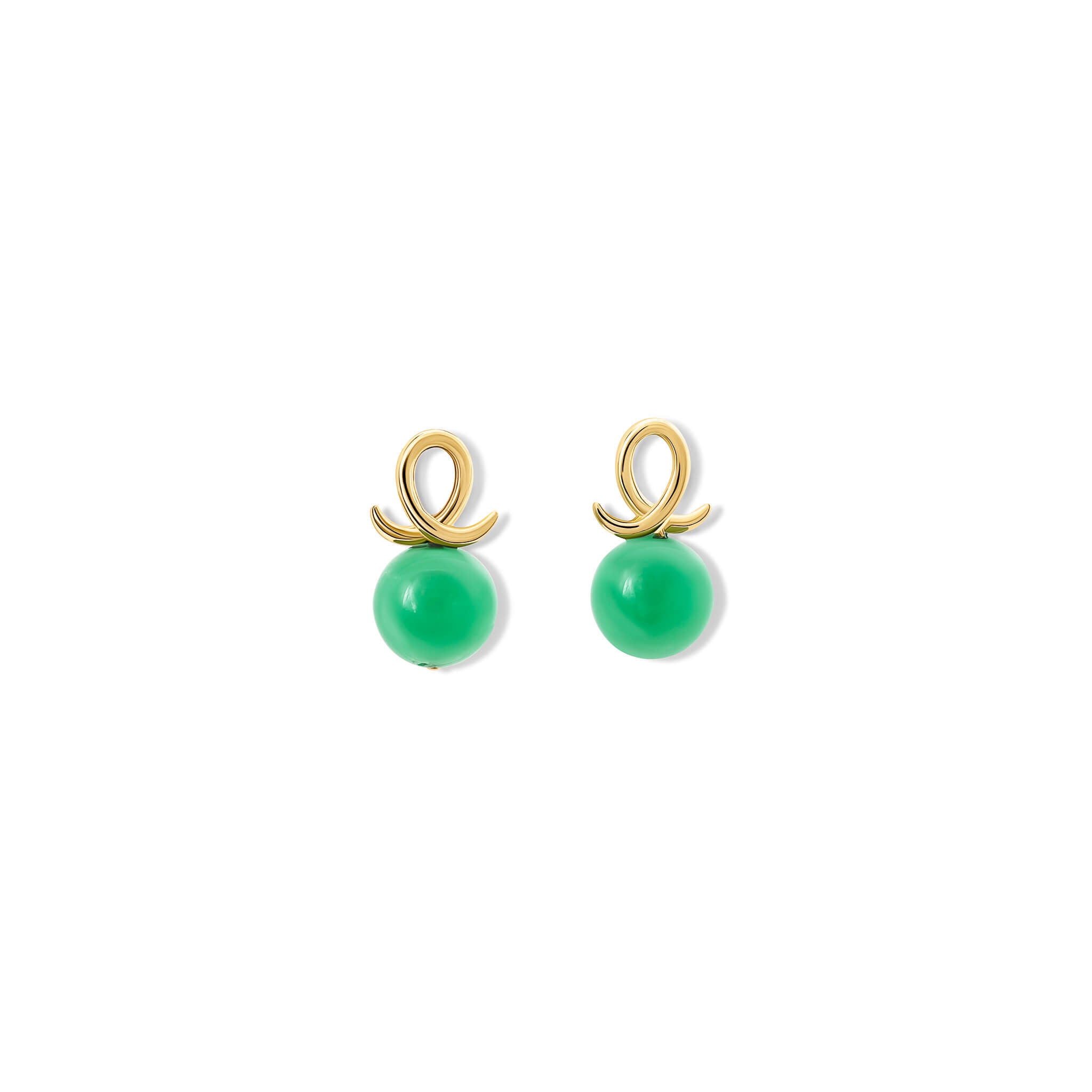
Chrysoprase
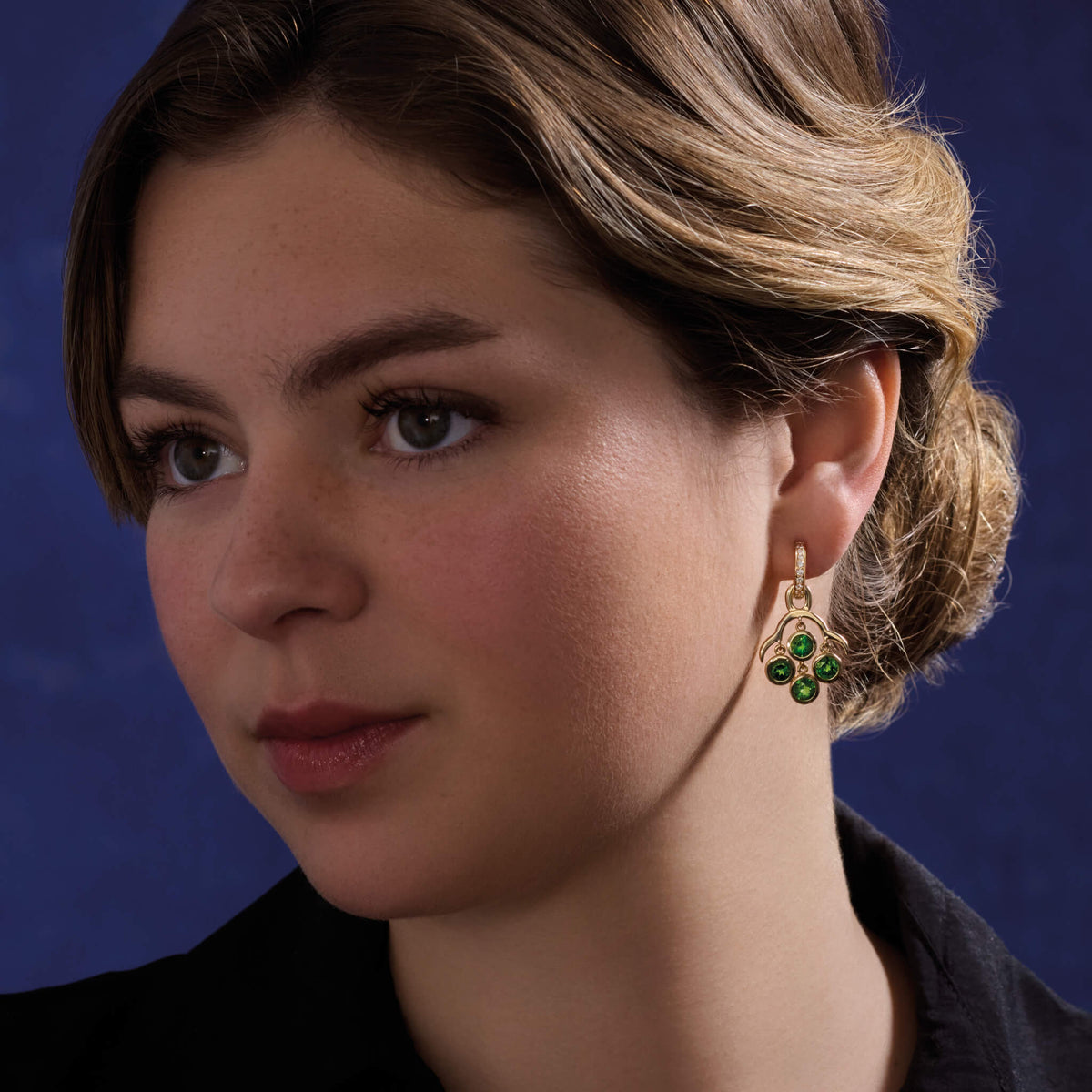
This fresh green gemstone takes its name from the Greek chrysos (gold) and prason (green). To the ancient Greeks, its golden-green glow symbolised growth and new beginnings. Worn in springtime rituals and as a cham of renewal, it carries a quiet sense of hope.
discover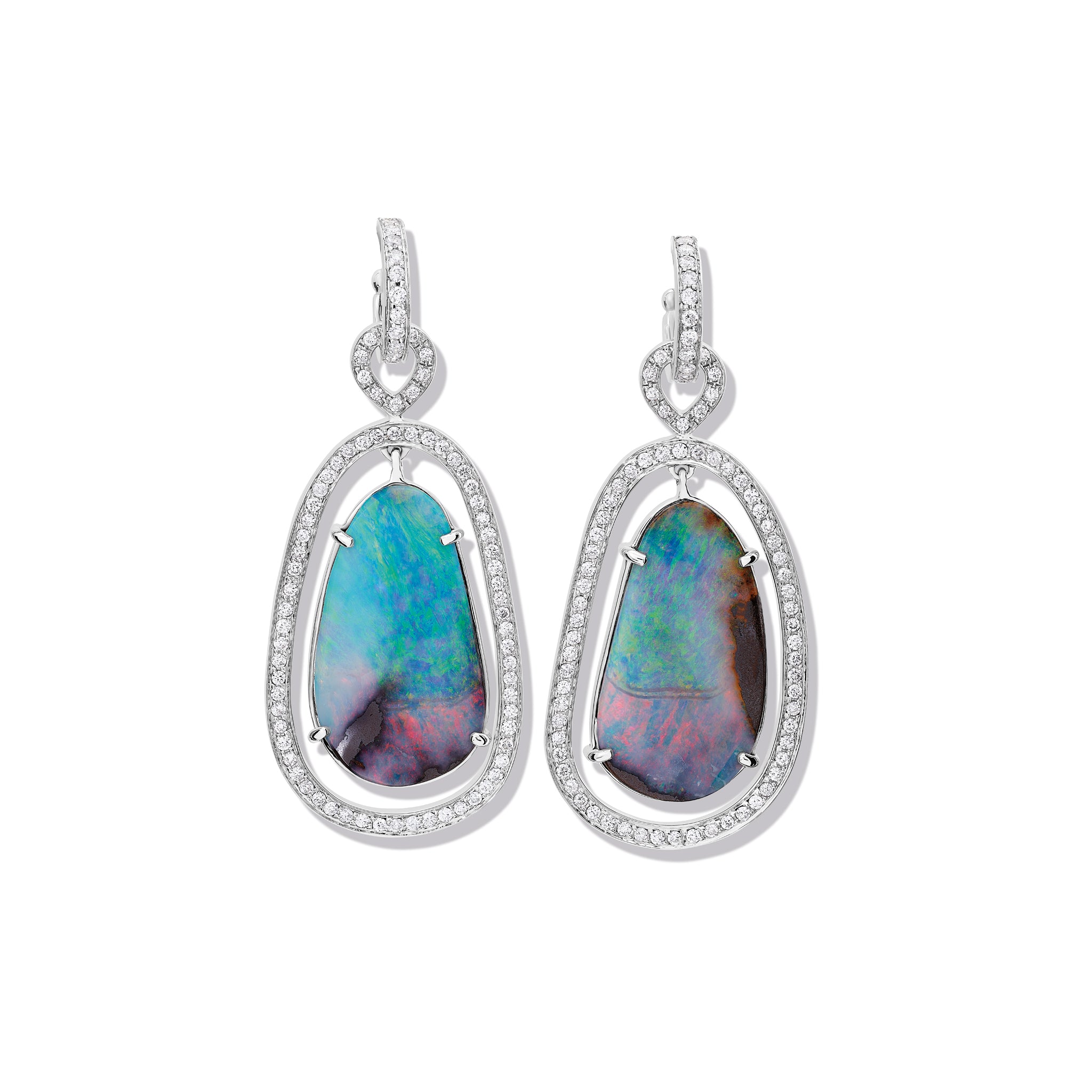
Opal
Opal comes from the Greek opallios, meaning ‘to see a change’. Its shifting colours, like oil on water, were thought to hold the magic of all other stones. In Greek mythology, opals are said to be joyful tears of Zeus shed after his victory over the Titans, imbuing the stone with protective energy and the gift of foresight.
discover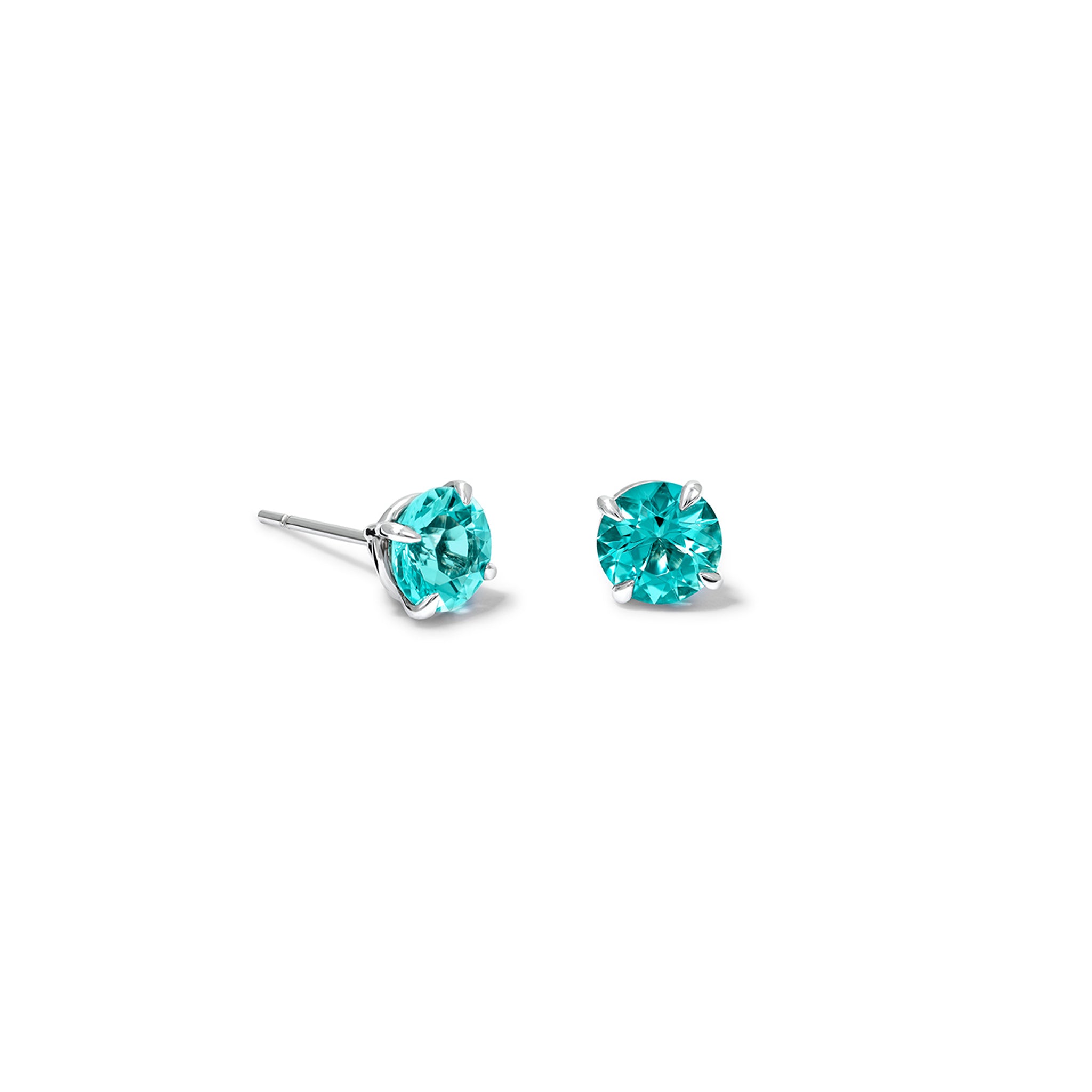
Apatite
From apate, meaning deceit as apatite was often mistaken for more precious stones like emerald or peridot. But within its name lies a lesson: not everything is as it seems. Apatite is now valued for its own beauty, a reminder to look beyond the surface.
discover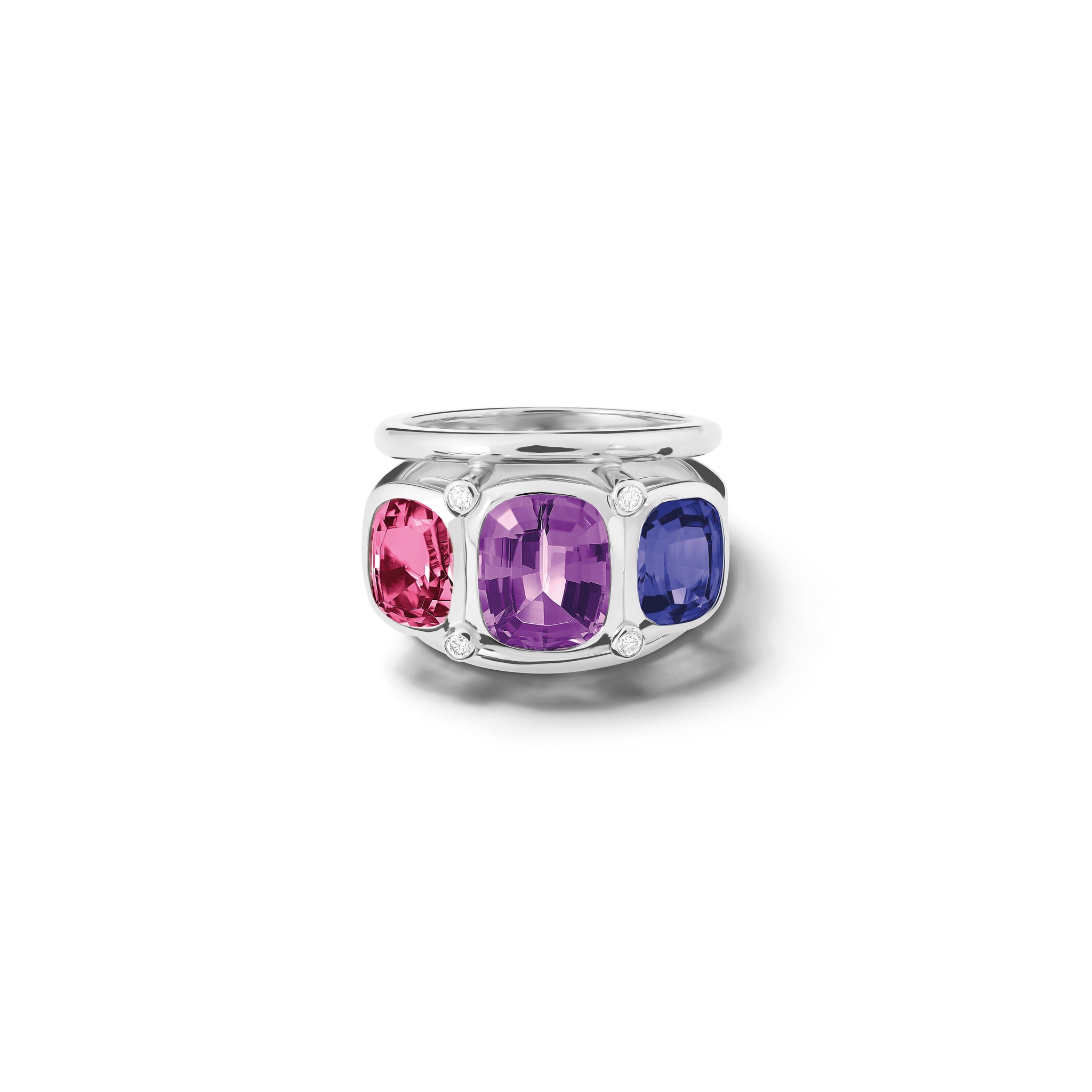
Iolite
Iolite, from the Greek ios (violet), is a stone of navigation. Vikings used it to find the sun on cloudy days. Its subtle, shifting blues suggest horizon at dusk, a gem tied to travel and guidance.
discoverRead more

Johnny de Falbe's Festive Wishlist
Johnny de Falbe of John Sandoe Books shares his impeccably chosen small, beautiful editions - perfect inspiration for thoughtful gifts for the man who has everything!
Read more
Anya Hindmarch's Festive Wishlist
Anya Hindmarch, founder of her namesake brand, shares festive rituals and favourite stocking fillers, bringing her witty, playful design spirit to Christmas.
Read more