




Understanding Nature Through Myths
On a wander through parks, countryside paths, or even a quiet tree-lined street, it is easy to start wondering why nature behaves the way it does. Why does one flower return every year without fail, or why does a spider’s web appear overnight as if it has always been there? The ancient Greeks did not just wonder, they told stories. In their world, nothing in nature was random or silent. A web, a cicada’s song, even the movement of sunlight all carried intention and meaning. What we now call natural cycles, they turned into vivid tales of transformation and wonder.
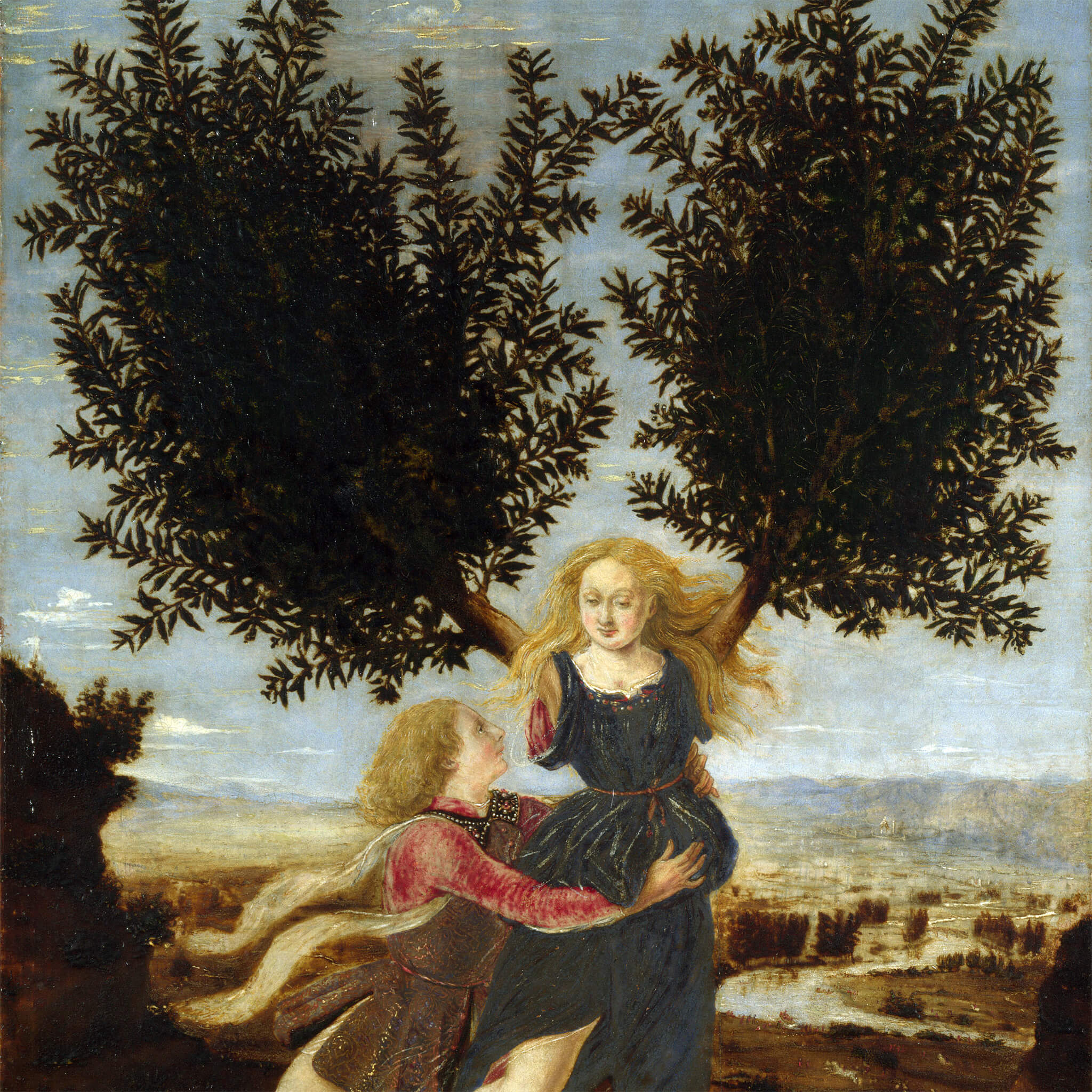
The Laurel Tree and its Evergreen Leaves
Ever wondered why the laurel tree never quite gives in to the seasons, holding its green leaves while everything else seems to change around it? It might be explained by biology, but the Greeks would have told you something far more dramatic.
Apollo, the Olympian god of light and music, falls head over heels for Daphne, a nature spirit tied to rivers and wild, untamed landscapes. Daphne is not remotely interested and bolts through forests, fields, and anything else in her way. Apollo, who is not used to hearing “no”, keeps chasing.
Just as he reaches her, Daphne calls out for escape, and the landscape answers. She transforms into a laurel tree in an instant. Her movement stops, her body rooting into the earth, her skin becoming bark, her hair spilling into leaves that never quite lose their colour.
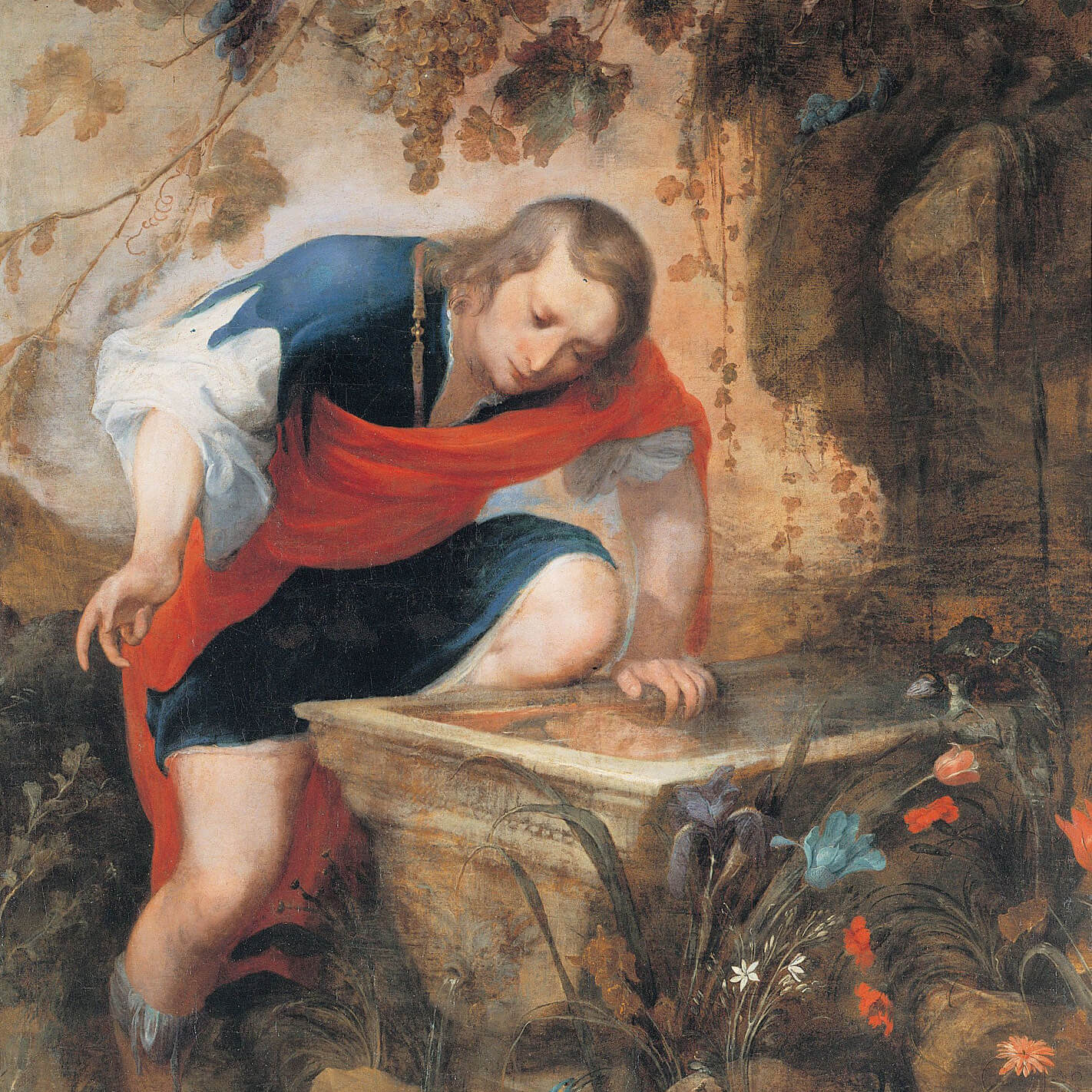
The Narcissus Flower and its Return Each Spring
Narcissus is a mortal youth who is famous for one thing above all else: being impossibly beautiful and completely uninterested in anyone else.
One day, he catches sight of his reflection in a still pool of water. He is instantly captivated. Not by someone else, but by himself. He leans closer and closer. And somehow, he cannot leave. The world fades out, but the reflection does not. Eventually, he remains there completely absorbed until he weakens and disappears. In his place, a flower appears.
The narcissus blooms each spring, often near water, as if it remembers the stillness that created it.
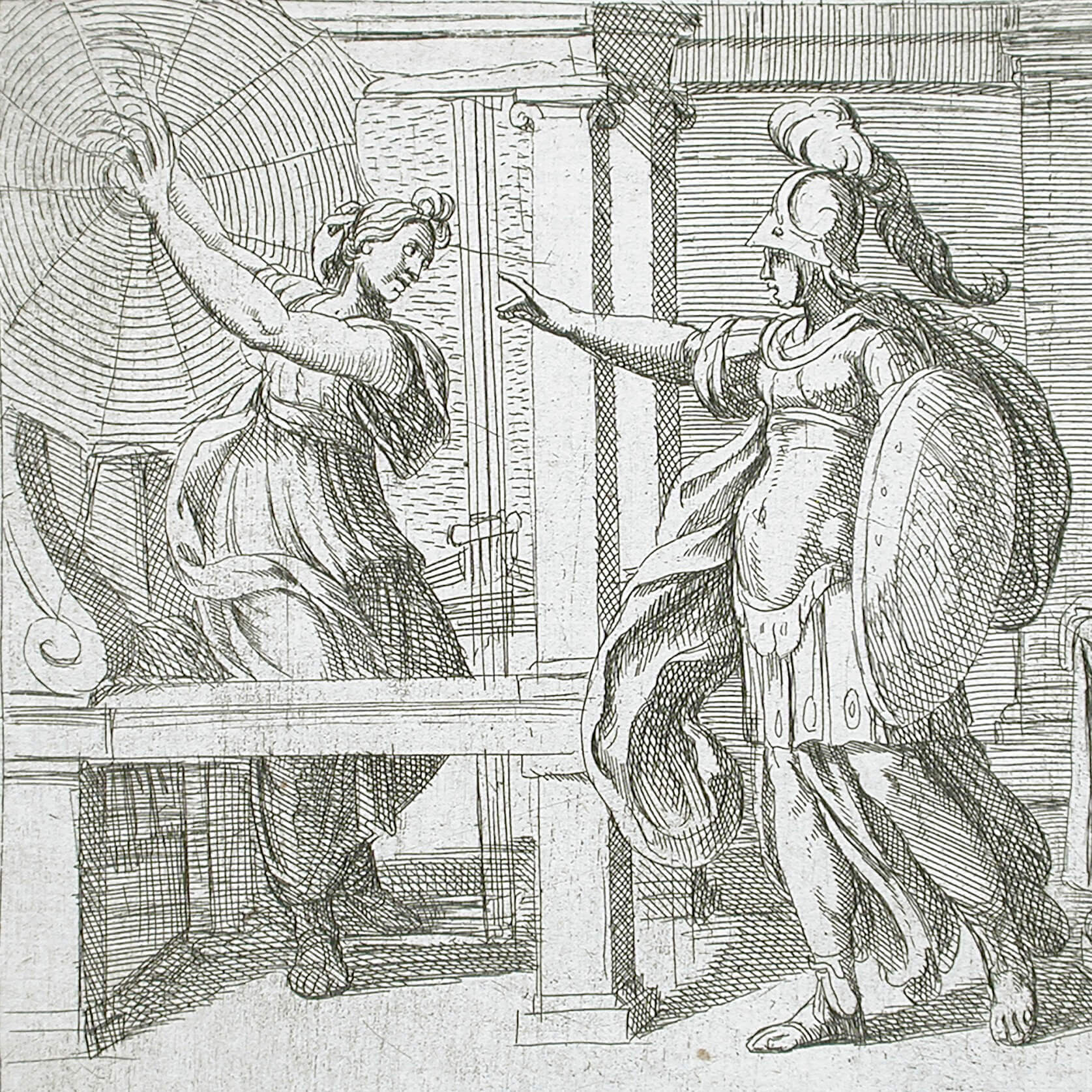
The Origin of Spiders and Their Web-making
Spiders were once explained through a story of extraordinary skill that turned into something far less human but just as precise.
Arachne is a mortal woman renowned for her unmatched weaving ability. Her talent becomes so widely admired that she begins to believe she is greater than even Athena, goddess of wisdom and craft. That confidence turns into boldness, and she openly boasts that her work surpasses the divine. Eventually, she challenges Athena herself to a weaving contest.
Athena accepts, and what follows is a display of perfection on both sides. But Arachne’s pride is seen as an offence, and in response, Athena transforms her into a spider.
Even after her transformation, Arachne does not stop weaving. Instead, she continues in a new form, producing delicate, intricate webs wherever she goes.

Helios and the Movement of the Sun Across the Sky
To explain the sun’s steady journey across the sky, the Greeks told the story of Helios.
Helios, the personification of the sun itself, travels each day in a blazing chariot drawn by horses. At dawn he rises in the east, moving steadily overhead as he lights the world below, before descending into the west by evening.
At night, he is said to return unseen to his starting point, ready to begin the journey again at sunrise. The myth turns a predictable cycle into a repeated action, explaining why day follows night in a consistent pattern and why the sun appears to move across the sky in the same way each day.
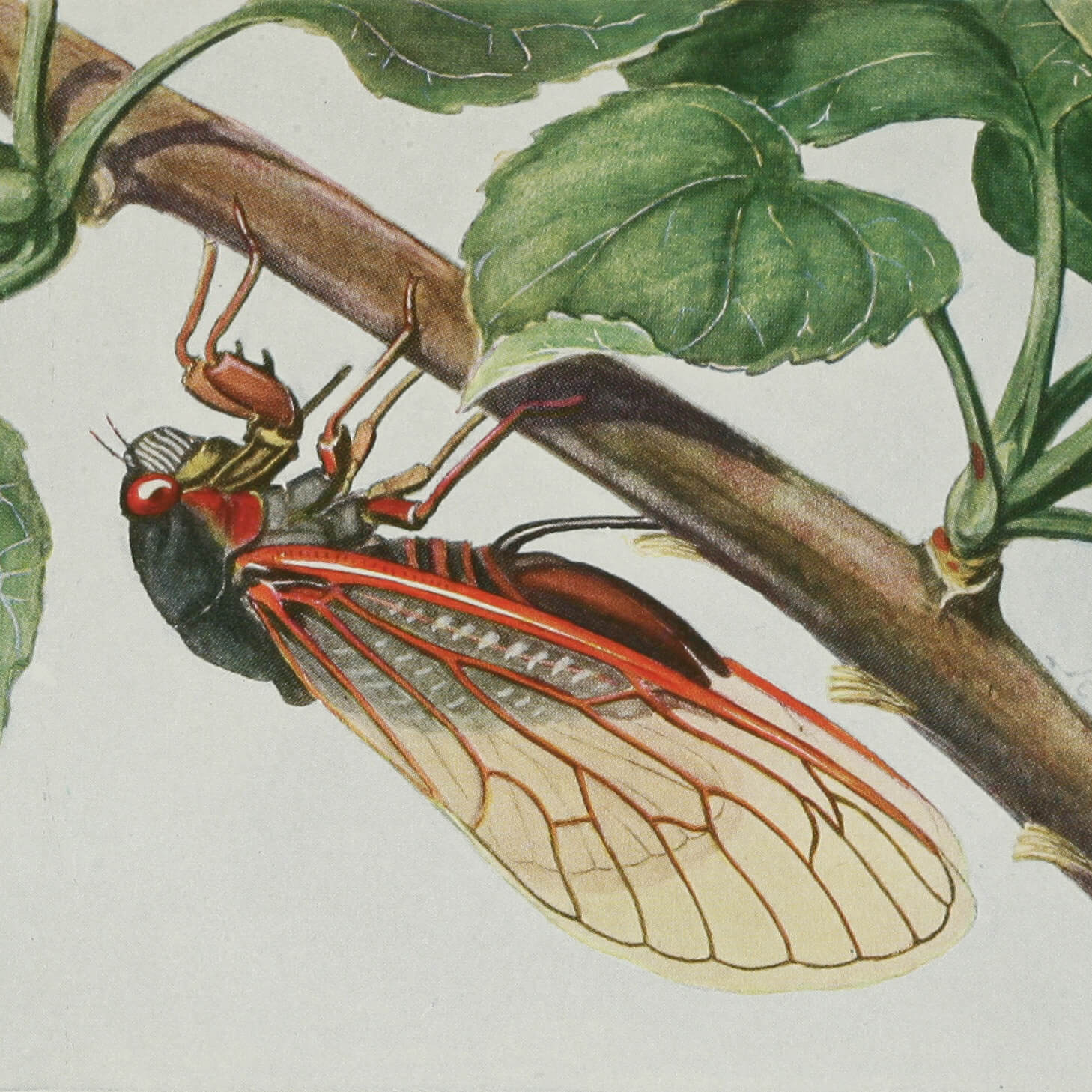
The Cicada and the Voice That Never Really Stops
On a summer day, the sound of cicadas can feel like the air itself is humming. In Greek myth, that sound is not just nature, but a story still being sung.
A mortal musician becomes so absorbed in music that he forgets everything else. He eats less, sleeps less, and drifts further into his song until it is all he can do. The gods transform him into a cicada so he can continue what he loves, just in a different form.
Now hidden in the trees, he sings without pause through the heat of summer. The sound is bright and rhythmic, but also slightly wistful, as if it remembers a human life behind it.
Read more

Cassandra's Guide to London in the Summer 2026
What to do, what to see and where to eat this summer in London.
Read more
On a warm spring evening, Dr. Antony Makrinos and Claire Makrinos joined Cassandra at our Sloane Street boutique for a conversation that moved between Greece, myth and fragrance.
Read more